
India’s inflation is taking a misleading fork in the road. The headline Consumer Price Index for July printed at 4.45% year-on-year, according to FXStreet, a number that was actually just below consensus estimates of 4.5%. But the trick is in the components. Beneath that seemingly benign top-line figure, food prices drove the uptick, pushing consumer food inflation to 5.52%yoy from 5.32% in June. This split narrative, where volatile food costs surge while the overall index stays within the Reserve Bank of India's target band, gives the central bank the perfect pretext for inaction. MUFG analyst Michael Wan now expects the RBI to delay a projected 50 basis points hiking cycle to start only in December 2026. For a global economy parsing every central bank signal, this is a case study in patience winning out over textbook policy.
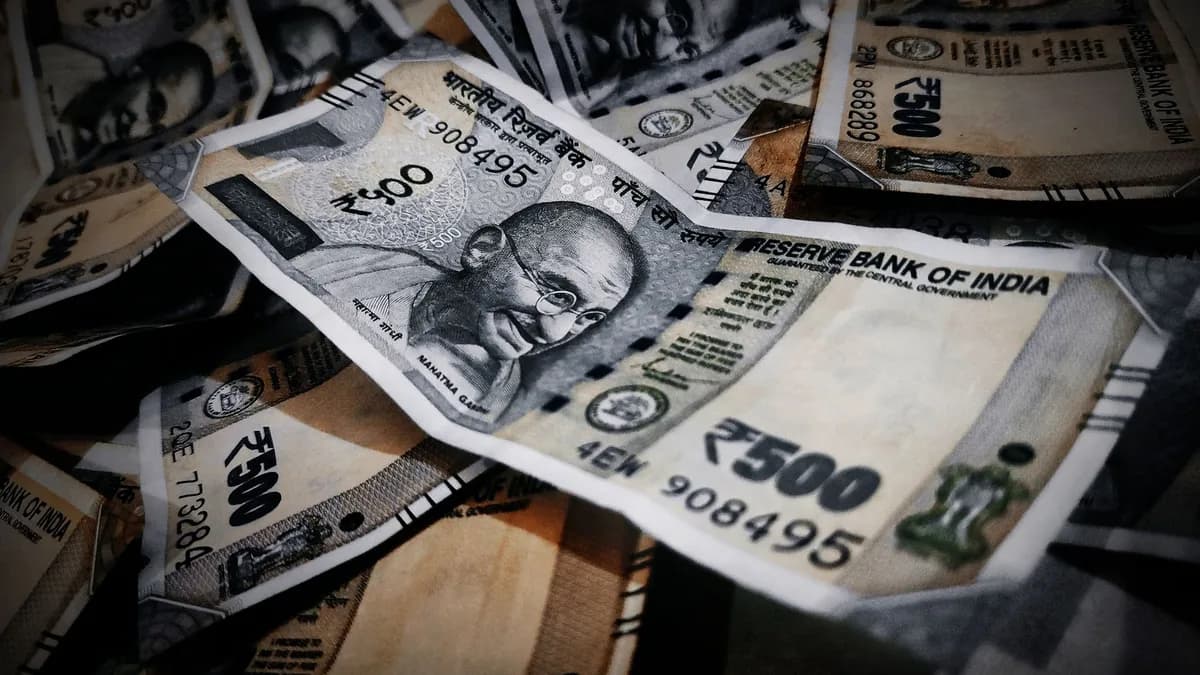
Food Inflation Buried in India's 'Benign' CPI Data
XOOMAR Intelligence
Analyst Take
A Fork in the Data Road: Food Prices vs. The Headline
The July CPI report is a lesson in reading between the lines.
On the surface, the 4.45% print suggests a minor acceleration from June's 4.38%. It remains "comfortably within RBI’s target inflation band of 2-6%," as MUFG notes. For a central bank with a dual mandate of price stability and growth, this is the green light to stay parked.
But the engine of that acceleration is the problem. The surge is almost entirely powered by food, a category notorious for its volatility from weather and supply shocks. The jump from 5.32% to 5.52% in food inflation highlights an underlying vulnerability that can't be smoothed out by monetary policy alone. It's driven by items like vegetables, pulses, and cereals, hitting household budgets directly and quickly. This creates a dangerous potential for inflationary expectations to become unanchored, a core fear for any central bank. This specific dynamic of India's 5.52% food inflation alarming the RBI during a policy pause is a critical market focus.
The takeaway is stark: the RBI sees a problem it cannot directly solve with interest rates. Raising rates won't bring timely monsoon rains or magically unclog supply chains. So, it opts for a watchful pause, treating the food spike as a supply-side issue rather than a demand-side overheating signal.
The RBI's Tightrope: Growth Support vs. Inflation Vigilance
Faced with this split-screen inflation picture, the RBI's neutral stance is a strategic calculation, not complacency.
"We believe that the RBI will continue to maintain its neutral stance for now, but we see some signs that inflation is likely to broaden out more moving forward given firm domestic demand, accelerating credit growth and overall supportive fiscal position," Wan writes.
The statement reveals the tension. The bank acknowledges the mounting pressures, strong demand, easy credit, stimulative fiscal policy, that could eventually feed into broader, stickier inflation beyond food. Yet, for now, the priority is clear: growth. Holding the repo rate at 6.5% supports borrowing, investment, and an economy navigating global headwinds. Analysts warn of significant risks of a fresh inflation surge by 2027 if these broader pressures aren't contained.
This stance diverges sharply from prior market whispers expecting a quicker tightening path. The RBI is betting that the economic cost of pre-emptive rate hikes outweighs the risk of a temporary, food-led inflation overshoot. It's also a function of the global stage: with major peers like the Federal Reserve in a holding pattern of their own, the RBI has more room to maneuver without sparking destabilizing currency flows.
The Household Squeeze: Borrowers Win, Savers Lose
The immediate fallout of a delayed hiking cycle is a tale of two wallets.
For borrowers, it's a clear win. Home loan EMIs, auto financing costs, and business credit will remain stable. This relief valve on monthly outflows can slowly boost consumer spending in rate-sensitive sectors like housing and durable goods. It’s a direct stimulus for an economy the RBI is keen to support.
For savers and depositors, the picture is grimmer. With inflation at 4.45% and deposit rates low, real returns remain negative. This financial repression continues to push household savings away from bank deposits and toward riskier assets like equities and mutual funds, as our analysis of household investment flows has shown. It sustains the liquidity fueling India's robust capital markets, but it also deepens the exposure of retail investors to market volatility.
And for everyone buying groceries? The RBI's pause offers no solace. Higher food bills bite directly into disposable income. The central bank's inaction on rates means the burden of tackling this inflation falls almost entirely on the government's fiscal tools, subsidies, price controls, and supply management, which are already under strain.
The FX and Trade Conundrum: A Managed Rupee
A delayed domestic tightening cycle has direct consequences for the Indian rupee.
Normally, a widening trade deficit and a dovish central bank would be a recipe for currency weakness. The rupee should depreciate. But the source material reveals a critical mitigating factor: active RBI intervention. Societe Generale analysts highlighted that the central bank's dollar-selling in forex markets is "cushioning the rupee against a wider trade deficit."
The result is a managed stability. The rupee trades in a narrow range, supported not by interest rate attractiveness but by the RBI's direct market actions and sustained foreign portfolio inflows into equities. This artificial stability has a secondary effect noted in crypto circles: a stable INR and strong traditional equities may keep retail crypto inflows subdued, as the urgency for an inflation hedge or capital flight diminishes. Such dynamics mirror how Bitcoin can slide when sticky CPI data traps the market, reducing the appeal of crypto as a near-term inflation hedge.
The RBI's playbook is clear: defend the currency directly to buy time for the economy, rather than using blunt interest rate tools that could choke growth. The risk, of course, is that this depletes foreign exchange reserves and ties the central bank's hands if global volatility spikes.
The Timeline: Monsoons, Oil, and the December 2026 Marker
The RBI's patience is conditional. MUFG's forecast of a 50bps cycle starting in December 2026 is a distant horizon, but the path there is littered with potential triggers.
The immediate watchpoint is the weather. The monsoon's progress and its impact on the Kharif crop harvest will be the single biggest determinant of food inflation in the coming months. A poor yield could turn the current 5.52% food inflation into a more severe crisis, forcing the RBI's hand regardless of its growth priorities.
Global oil prices are the silent, non-food variable. India is a major importer, and a sharp spike in crude would feed directly into transportation and core inflation, an area where monetary policy is effective and response would be more likely.
XOOMAR Interpretation: The RBI's stated data dependency means every CPI print, especially its food and core components, will be scrutinized. The bank will also be watching the Federal Reserve. Any aggressive re-tightening by the Fed could pressure emerging market currencies, forcing the RBI to choose between a steeper defense of the rupee or accelerating its own hiking timeline.
For now, the central bank is betting it can outwait the current food price storm. The delayed timeline to late 2026 suggests they see a long runway where growth support is the greater imperative. But as MUFG warns, with demand firm and credit growing, that runway could get shorter faster than anyone expects. The RBI isn't just watching inflation, it's betting against it broadening, and the next six months of data will show if that bet pays off. Its strategy may involve modernizing financial infrastructure for efficiency, akin to how MUFG is using blockchain to attack inefficiencies in a $1.7 trillion bond market.
Disclaimer: This XOOMAR analysis is for informational and educational purposes only. It is not financial, investment, legal, tax, or professional advice. It does not provide buy, sell, hold, price-target, portfolio, or personalized recommendations. Verify information independently and consult qualified professionals before making decisions.
The Bottom Line
- For consumers, sustained high food inflation directly erodes household purchasing power and can unanchor future inflation expectations.
- For investors and global markets, the RBI's delayed rate-hike signal suggests continued accommodative conditions in one of the world's largest economies, influencing currency and bond markets.
- The split between headline and core pressures illustrates a central bank dilemma: using blunt monetary tools for sector-specific problems risks harming broader economic growth.
July 2026 Inflation Breakdown vs. RBI Action Outlook
| Metric | July 2026 Value (yoy) | June 2026 Value (yoy) | Impact / Comment |
|---|---|---|---|
| Headline CPI | 4.45% | 4.38% | Remains within RBI's 2-6% target band |
| Food Inflation | 5.52% | 5.32% | Primary driver of July's uptick; volatile category |
| Projected Rate Hike Cycle | Delayed to Dec 2026 | Previously expected sooner | 50 bps cycle pushed back |
India's Key Inflation Metrics (July 2026)
Sources
Disclaimer: Content on XOOMAR is produced using AI-assisted research, drafting, and verification workflows and is intended for informational and educational purposes only. It does not constitute financial, investment, legal, tax, medical, or professional advice of any kind. All analysis reflects available information at the time of publication and may not be current. Verify information independently and consult qualified professionals before making decisions. Editorial policy

Written by
XOOMAR Insights Team
Research and Editorial Desk
The XOOMAR Insights Team pairs automated research with human editorial judgment. We track hundreds of sources across technology, fintech, trading, SaaS, and cybersecurity, cross-check the facts, and explain what happened, why it matters, and what to watch next. We do not just rewrite headlines. Every article is fact-checked and scored for reliability before it goes live, and we link back to the original sources so you can verify anything yourself.
Explore More Topics
Related Articles
 Fintech
India's 5.52% Food Inflation Alarms RBI on Pause
The Reserve Bank of India held its key rate steady, but a jump in food inflation to 5.52% is testing the central bank's patient strategy and putting future hike
 Fintech
India's Core Inflation Collapse Justifies RBI Rate Hold
India's central bank can hold rates steady because core inflation has collapsed, acting as a domestic firewall against global price pressures.
 Fintech
India's Inflation Refuses to Fall, Risks 2027 Surge
A major bank warns India's inflation is now structurally higher, sticking near the RBI's tolerance ceiling through 2027 and dashing hopes for a quick return to
 Fintech
Dollar Rally Hinges on Next Jobs and CPI Reports
The US dollar's path to higher gains just got harder, stalling after a weak jobs report as markets now demand strong upcoming CPI and NFP data before committing
 Fintech
Baht Tumbles as Thai Inflation Trap Freezes Central Bank
Thailand's inflation slump to 2.0% traps its central bank in policy paralysis, leaving the baht to fall as rate hikes are off the table and cuts provide no room
 Trading
Bitcoin Slides As Trap in July CPI Data Emerges
A market analyst argues July's cooler CPI reading is a head-fake, hiding stubborn underlying inflation that's rattling Bitcoin and could keep the Fed hawkish.
 Global Trends
Crown Prince’s Protest Exposes Imperial Monarchy Rift
Japan’s Crown Prince Akishino broke royal protocol by publicly opposing the government’s new male-only succession law, exposing a deep rift within the imperial
 Global Trends
Met Police Chooses Victims Who Matter, Mother Says
Mina Smallman, a mother who lost two daughters to murder and witnessed police corruption, declares the Metropolitan Police incapable of reform after seeing how
 Future Fiction
Stream Hit Point Free Legally From Any Country
You can legally stream the entire 'Hit Point' box set for free from anywhere by accessing UK-based ad-supported platforms, using a simple method to bypass geogr
 Trading
Kiwi Dollar Breaks Key Ceiling as Greenback Careens
The New Zealand dollar has staged a sharp rally, but its surge to highs above 0.5900 is largely a function of significant, broad-based US dollar weakness driven
Don't miss the signal
Get our weekly roundup of the stories that matter across tech, fintech, and trading. No noise, just signal.
Free forever. No spam. Unsubscribe anytime.