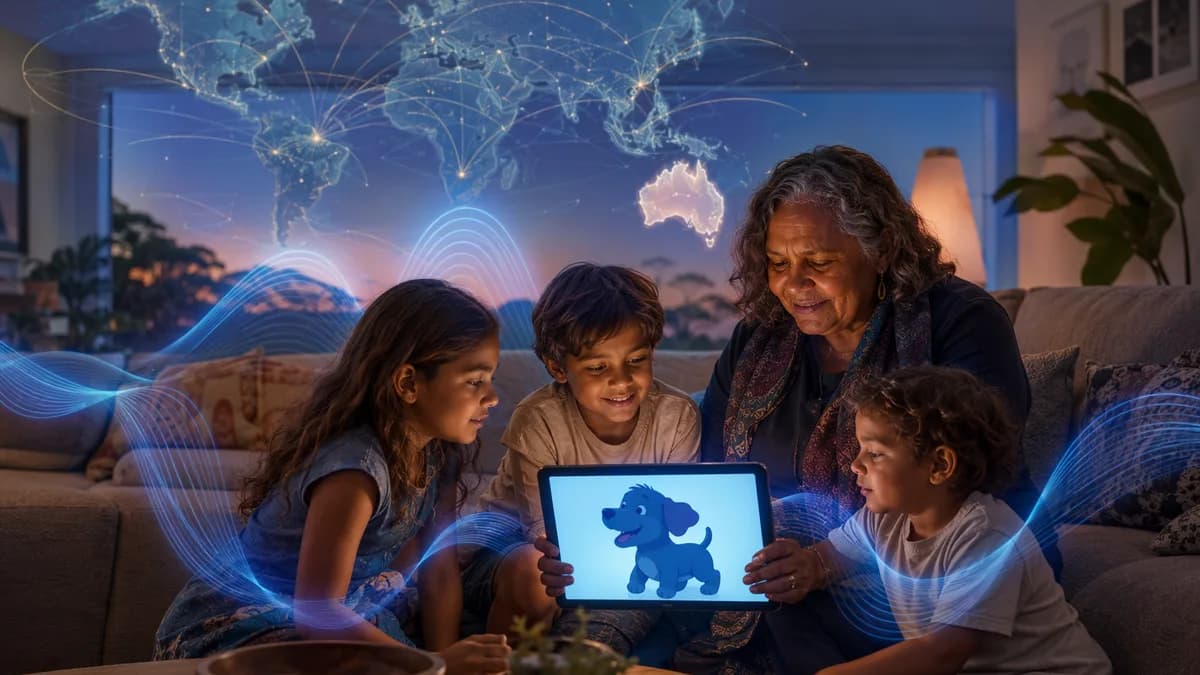
Bluey Indigenous language episodes signal a sharp shift in children’s media: language preservation is moving into shows children already know, not sitting apart from their daily viewing habits.
XOOMAR Intelligence
Analyst Take
Five episodes of Bluey have been released in Yolngu Matha, a collection of dialects from north-east Arnhem Land in the Northern Territory, marking the first time the award-winning children’s cartoon has been translated into an Australian Indigenous language, according to BBC World.
That matters because the project puts a living Indigenous language inside a familiar family cartoon. The producers told the BBC’s Simon Atkinson they hope the special episodes will amplify First Nation voices and support language preservation through storytelling.
“Five episodes were released in Yolngu Matha, a collection of dialects from north-east Arnhem Land in the Northern Territory.”
The counterpoint is obvious: five episodes won’t preserve a language by themselves. But the format still matters. A children’s show can make language feel current, audible, and socially present. That’s different from treating language as something archived, ceremonial, or only studied in formal lessons.
Bluey Indigenous language episodes put preservation where children already pay attention
The strongest case for Bluey in Yolngu Matha is not scale. It’s familiarity. Children’s media works because repetition works. If a child already knows a scene, a character, or a joke, hearing it in another language gives them a foothold before they understand every word.
The BBC material does not list which five episodes were released, where all viewers can access them, or whether subtitles and classroom resources are attached. Those details matter. A translation that families can replay easily has a different effect from a limited release that is hard to find.
Still, the confirmed facts are enough to explain why the story has cut through. Bluey is an award-winning children’s cartoon with a family-centred format. Translating it into Yolngu Matha places an Australian Indigenous language inside a mainstream cultural product that many families already recognize.
The limit is also clear. The source confirms translation and release, but it does not provide production mechanics. So it would be too strong to say exactly how the performances were recorded, how the scripts were adapted, or what changed inside each episode. What the BBC does confirm is narrower and still significant: Bluey has been translated into an Australian Indigenous language for the first time.
What changes when Bluey speaks Yolngu Matha?
The change is cultural before it is technical. The source says five episodes were released in Yolngu Matha, not that the series has been rebooted or remade. That distinction matters because the point is not to replace Bluey’s identity. It is to let a familiar children’s format carry a language with deep roots in a specific part of Australia.
Here is the contrast that anchors the project:
| Element | Confirmed by source | Still unclear from source |
|---|---|---|
| Number of episodes | Five episodes were released | Which specific episodes |
| Language | Yolngu Matha | Which dialects are used in each episode |
| Location tied to language | north-east Arnhem Land in the Northern Territory | Which communities or speakers were involved |
| Purpose stated by producers | Amplify First Nation voices and help preservation through storytelling | How success will be measured |
| Format | Episodes were translated and released | Whether subtitles, teaching materials, or classroom packs exist |
That uncertainty should not be treated as a flaw in the project. It’s a reminder that language work depends on details the public summary does not include. For families, schools, and cultural organizations, the usefulness of Bluey Indigenous language episodes will depend on access, repeat viewing, and whether supporting materials help children connect words to place and community.
XOOMAR readers who follow how children’s stories become public stories have seen that frame in very different contexts, from 3 Brad Pitt Children Push Surname Split Into Court to 11 Children Die as Algeria Orphanage Fire Erupts Before Dawn. This Bluey case is different in tone, but it sits in the same broad editorial lane: childhood is not separate from culture, identity, and public institutions.
Translating Bluey is more than swapping English words for Yolngu Matha
A translated children’s episode has to carry timing, emotion, humor, and family dynamics at once. The BBC source does not spell out the production workflow, so the responsible analysis is to describe the likely challenge without claiming who did what in this specific project.
Translation for children’s television is harder than a word list. Lines need to land quickly. Emotional beats need to remain clear. Family terms can carry cultural weight. Jokes that work in one language may not travel cleanly into another. A good translation preserves the scene’s function, not only the literal meaning of each sentence.
The strongest counterpoint is that viewers may not need every nuance. Young children often follow tone, repetition, and action before they follow full sentences. That can help a translated episode work even when a child is new to the language.
But that does not make the work simple. Yolngu Matha is described by the BBC as a collection of dialects, not a single generic label. That means language choices can carry identity and place. What would prove the project’s deeper value is evidence of how speakers, producers, and language custodians shaped the result. The BBC summary says producers hope to amplify First Nation voices, but it does not detail the decision-making process behind the episodes.
The preservation claim is modest, and stronger because of that
The producers’ stated goal is not that Bluey will save a language. It is that storytelling can help preservation. That is the right scale for the claim.
A cartoon can support language work in several practical ways. It can create repeatable audio. It can give children a reason to listen again. It can make pronunciation less abstract. It can help families hear a language in a setting that feels ordinary rather than formal.
The counterpoint is that preservation requires much more than media. It needs speakers, intergenerational learning, community authority, teaching, records, and daily use. The BBC source does not provide broader data on Australian Indigenous languages, nor does it describe the full state of Yolngu Matha teaching or transmission. So the article should not pretend this release sits inside a fully documented national trend.
Even with that restraint, the significance holds. Bluey Yolngu Matha episodes are a cultural tool, not a complete preservation strategy. Tools matter when they are used by the right people, in the right context, with respect for the language communities connected to them.
How a child might actually learn from a Yolngu Matha Bluey episode
The most practical use case is simple: recognition first, language second. A child who already knows a Bluey scene in English could watch the Yolngu Matha version and track the story through familiar characters, actions, and emotion. That frees attention for sound.
A parent or teacher could build a small activity around one episode:
- Listen: Replay a short scene and ask children to notice repeated sounds or phrases.
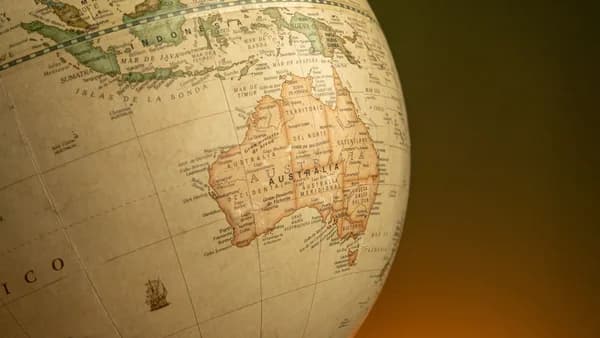
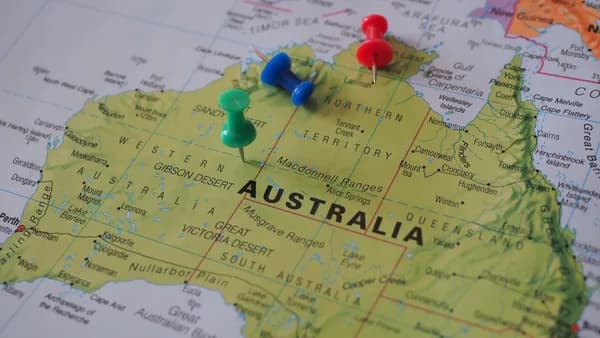
- Locate: Show where north-east Arnhem Land sits in the Northern Territory, because the BBC identifies that as the Country connected to Yolngu Matha.
- Repeat: Practice only words or phrases provided by trusted materials, if they are available.
- Respect: Explain that the language belongs to community, not to the show.
The caution is important. A language should not become a novelty because a popular cartoon uses it. The strongest version of this project would point viewers back toward community voices, not just toward the brand.
What would prove this learning model wrong? If the episodes are hard to access, rarely replayed, or disconnected from any community-led teaching, their practical effect could be small. The BBC source does not answer that yet.
The next test is whether Bluey opens space for more Indigenous-language children’s media
The forward-looking question is whether this remains a symbolic one-off or becomes a repeatable model. The BBC reports five episodes, one language collection, and a stated aim: amplify First Nation voices and help language preservation through storytelling.
If the episodes find an audience, commissioners may have a clearer case for more translated children’s programming and for original Indigenous-led children’s stories. But the real tests are not just view counts. They include community control, sustained funding, school use, repeat access, and whether young speakers are brought closer to the language rather than treated as passive viewers.
For now, the strongest takeaway is measured: Bluey Indigenous language episodes show how a mainstream children’s show can carry preservation work without pretending to complete it. The next thing to watch is whether the project stays at five episodes, or becomes proof that children’s media can make room for more First Nation voices on screen.
Why It Matters
- Bluey’s Yolngu Matha episodes bring an Australian Indigenous language into a mainstream children’s show families already know.
- The project supports language preservation by making the language audible, current, and part of everyday storytelling.
- Its impact will depend on access, replayability, and whether families and educators can easily use the episodes.
Primary Sources & Disclosures

Written by
XOOMAR Insights Team
Research and Editorial Desk
The XOOMAR Insights Team pairs automated research with human editorial judgment. We track hundreds of sources across technology, fintech, trading, SaaS, and cybersecurity, cross-check the facts, and explain what happened, why it matters, and what to watch next. We do not just rewrite headlines. Every article is fact-checked and scored for reliability before it goes live, and we link back to the original sources so you can verify anything yourself.