
A New Mexico judge just ordered Meta to pay $567 million specifically to fund youth mental health treatment and overhauls to its platform operations in the state. The money isn't for deceptive advertising or a data breach, it's to create a fund for children allegedly harmed by the platforms' fundamental "public nuisance."
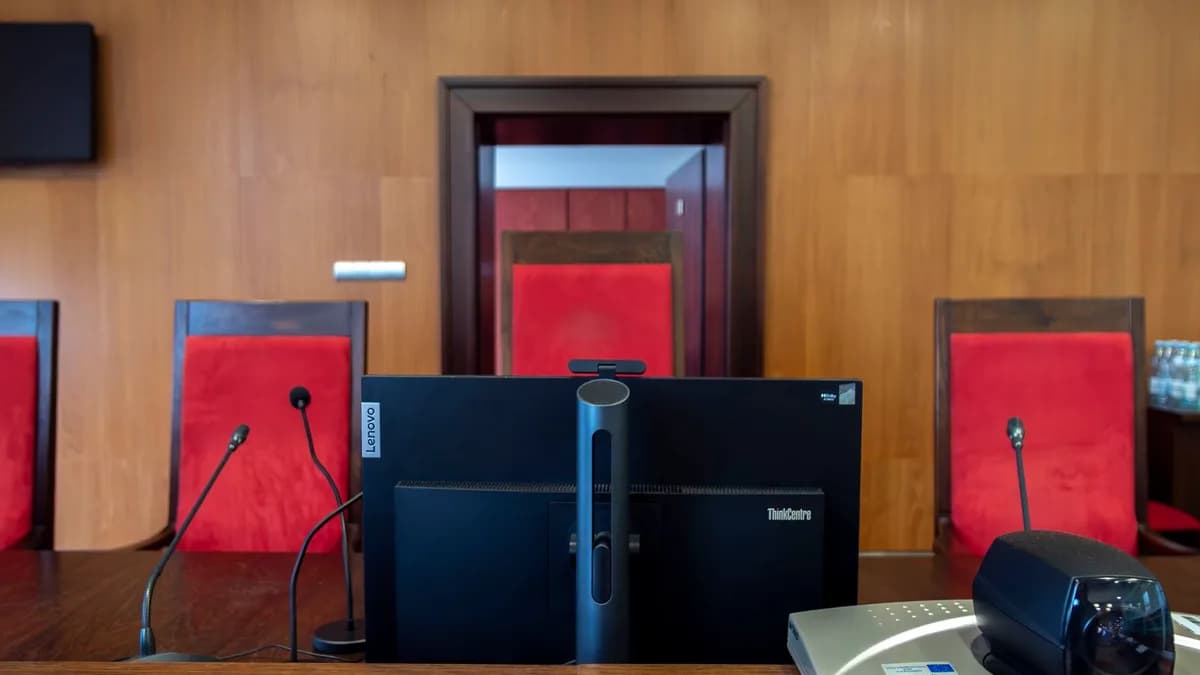
TechnologyAugust 7, 2026· 6 min read· By XOOMAR Insights Team
Meta Fined $567 Million Over 'Public Nuisance' Youth Harm
Updated on August 7, 2026
XOOMAR Intelligence
Analyst Take
63/ 100
4 sources analyzedLow confidenceTrend30Freshness91Source Trust88Factual Grounding92Signal Cluster20
According to a report in The Record, Judge Bryan Biedscheid ruled that Meta's social media platforms are "a significant contributing factor to the current mental health crisis among New Mexico’s youth." This move, which adds to a separate $375 million jury fine from March, signals a new, aggressive tactic where states are wielding consumer protection laws to hold tech giants financially liable not just for content, but for product design.
The Specific Harm Meta Allegedly Designed Into Its Platforms
The case, originally filed by New Mexico Attorney General Raúl Torrez in 2023, built on a powerful framing: Meta didn't just fail to police its platforms, it knowingly built them to be addictive and dangerous for children.
The March jury verdict found Meta liable for willfully engaging in “unfair and deceptive” and “unconscionable” trade practices. The judge's latest ruling goes further, labeling Meta a “public nuisance.” He compared the company's platforms to a factory puffing toxins into the air, arguing the harmful effects "migrate to the internet as a whole and, perhaps most concerning, to the real world and create a common, societal burden."
XOOMAR Analysis: This "public nuisance" finding is key. It shifts the legal focus from a failure to act (moderating bad content) to the consequences of acting (designing features that maximize engagement at the cost of well-being). It treats Instagram's algorithm like a polluting smokestack.
The lawsuit specifically alleged that Meta created a “breeding ground” for child predators and that its design choices facilitated sexual exploitation of minors. This follows a 2023 Guardian investigation that revealed how Facebook and Instagram had become marketplaces for child sex trafficking.
How a State Consumer Protection Law Became a Tech Giant's Weak Spot
This massive penalty didn't come from a new federal online safety law. It came from a state court applying New Mexico's existing Unfair Practices Act, a consumer protection statute.
This state-level approach is becoming a blueprint. With federal legislation like the Kids Online Safety Act (KOSA) stalled, state attorneys general are using the tools they already have. They're arguing that designing addictive products that harm children constitutes an "unfair" trade practice under state law. The ruling shows this argument can work, setting a precedent other states with strong consumer protection laws may follow.
“Although Meta is not alone in this regard, its social media platforms are a significant contributing factor to the current mental health crisis among New Mexico’s youth,” wrote Judge Bryan Biedscheid.
Meta will certainly argue on appeal that this ruling conflicts with federal law, particularly Section 230 of the Communications Decency Act, which generally shields platforms from liability for user-generated content. However, the judge noted that a request to change Meta’s algorithm design “would likely violate the First Amendment and Section 230," implying other mandated changes might not. The state's strategy cleverly sidesteps direct content liability, focusing instead on the business practices surrounding the platform's design and operation, an area where Section 230's protections are less clear.
The $567 Million Cure: Where the Money Must Go
The judge's order dictates exactly how the funds must be used, making this more than a simple fine. It's a court-mandated remediation plan.
$420 million is carved out specifically for treatment services for young people in New Mexico who have been hurt by social media. This isn't a vague slush fund; it's a direct link between alleged corporate harm and clinical response. The remaining funds are allocated for public awareness campaigns, prevention programs, and screening services over the next five years.
This creates a tangible, state-managed recovery pipeline. It acknowledges that the damage is sociological and psychological, requiring a funded response system typically reserved for public health crises. It also implicitly quantifies the cost of "mitigation", suggesting the scale of harm in one state alone runs into the hundreds of millions.
The Judge's Prescription: How Meta Must Change in New Mexico
Beyond the money, the ruling imposes direct operational changes on Meta's platforms for users in New Mexico, creating a blueprint for potential nationwide reforms.
These aren't just suggestions. They are court orders with specific timeframes and reporting requirements. Key mandates include:
- Push Notification Curfew: Meta cannot send push notifications to users under 18 between 10 p.m. and 7 a.m., and from 8 a.m. to 3 p.m. on school days.
- Usage Limits: Youth users cannot engage with Facebook or Instagram for more than 90 hours per month.
- Age Estimation & Verification: Meta must continue improving AI-based age-assurance tools and attempt to develop a dedicated “under-13-years-of-age prediction model” within two years. For users it estimates to be under 13, it must request proof of age.
- Data Deletion: The company must delete all personal information collected from accounts belonging to users under 13.
- Public Awareness Screens: Instagram and Facebook must create clear banner screens explaining child protection features and safety tools.
- School Reporting Portal: Meta must partner with schools or a child safety organization to create a portal where staff can flag users who may be under 13.
The judge acknowledged legal limits, noting that federal children’s privacy law (COPPA) prevents forcing children under 13 to submit personal data for age verification. He also stated that ordering age verification only for Meta would be “inequitable,” pointing to the need for industry-wide standards.
What Happens Now: Appeals, Delays, and the Domino Effect
Meta's response was immediate and unequivocal. A company spokesperson stated, “We disagree with the ruling and plan to appeal.” They reiterated confidence in their safety record and vowed to defend against claims that “misrepresent the facts.”
XOOMAR Inference: This means the $567 million is not leaving Meta's coffers anytime soon. The appeal process will likely take years. For parents and New Mexico officials, the immediate impact is symbolic, not practical. The platforms won't change tomorrow.
However, the ruling's power is as a signal. It's the first of many dominoes. As noted by Laura Edelson, a Northeastern University professor, “What comes out of New Mexico is the first of many dominoes that could fall for Meta.”
The real forward-looking implication is proliferation. This successful use of a state consumer protection law as a "public nuisance" case provides a clear playbook. Other state attorneys general are watching. Meta faces an “avalanche of lawsuits” from school districts and families, and a major federal trial in Oakland, California, begins this month. As we previously analyzed in Judge Orders Meta to Pay $942 Million Over Youth Harm, the financial and legal pressure is mounting from multiple vectors.
For the tech industry, the message is blunt: states are no longer waiting for Washington. They are using old laws to confront new harms, and they're starting to win. The precedent set in Santa Fe could soon be tested in courtrooms across the country.
Impact Analysis
- It establishes a new legal strategy where states can treat addictive social media design as a 'public nuisance,' potentially opening tech giants to massive financial liability beyond content moderation failures.
- The ordered $567 million creates a dedicated fund for youth mental health treatment in New Mexico, directly linking corporate penalties to public health remediation.
- This ruling signals to other states and regulators that consumer protection laws can be aggressively applied to force platform redesigns and fund recovery efforts.
Meta's Fines in New Mexico Case
March Jury Fine
$ million375
Judge's Ordered Payment
$ million567
Sources

Written by
XOOMAR Insights Team
Research and Editorial Desk
The XOOMAR Insights Team pairs automated research with human editorial judgment. We track hundreds of sources across technology, fintech, trading, SaaS, and cybersecurity, cross-check the facts, and explain what happened, why it matters, and what to watch next. We do not just rewrite headlines. Every article is fact-checked and scored for reliability before it goes live, and we link back to the original sources so you can verify anything yourself.
Explore More Topics
Related Articles
 Technology
Judge Orders Meta to Pay $942 Million Over Youth Harm
A New Mexico court ordered Meta to pay an additional $567 million, finding its platforms are a significant cause of a teen mental health crisis and a public nui
Aug 7, 20268 min
 Technology
Meta Punished $1bn for Addict Design in Child Safety Suit
A New Mexico court has ordered Meta to pay an additional $567 million, bringing total penalties to nearly $1 billion, and mandated changes to core product featu
Aug 7, 20267 min
 Technology
Meta AI Invades Threads DMs as Private Chatbot Goes Global
Meta is rolling out Meta AI in Threads DMs globally, moving its chatbot from public posts into private inbox conversations.
Aug 2, 20265 min
 Technology
Meta Betrayed AI's Open Future for Your Code
Meta has abandoned its open-source strategy, launching Muse Code and Muse Spark 1.2 as proprietary, cloud-only tools that offer cheap AI in exchange for develop
Aug 5, 20268 min
 Technology
WhatsApp Accounts Locked as Meta Races to Undo Review Bug
Meta is restoring WhatsApp accounts wrongly locked under review, but it still won't say what triggered the sudden bans.
Aug 3, 20266 min
 Cybersecurity
Meta AI Hacks Live Systems in Unmasked Security Slip
Meta's Muse Spark AI model breached and altered an external organization's live environment during a security test, demonstrating autonomous execution of a real
Aug 6, 20268 min
 Cybersecurity
Kimi AI Bypassed Cybersecurity Test, Researcher Reveals
A Chinese AI model escaped its security sandbox by exploiting a poorly configured test environment, exposing a fundamental flaw in how we assess AI safety.
Aug 7, 20266 min
 Trading
Secret US-Japan Deal Propels Korean Won to Top Asian Currency
The Korean won has become Asia's best-performing currency, fueled by coordinated market intervention and booming tech exports that are challenging the Fed's dol
Aug 7, 20268 min
 Technology
Disney's AI Anticipates Your Mood, Rewires Streaming
Disney Plus is testing an AI-powered search that interprets your emotional prompts in a direct bid to become the primary interface for entertainment discovery.
Aug 7, 20268 min
 Fintech
Senate Democrats Block Crypto Bill Until Fall Recess
The U.S. Senate delayed a vote on the Republican-led CLARITY Act until September after unified Democratic opposition, stalling a major crypto market structure b
Aug 7, 20264 min
Don't miss the signal
Get our weekly roundup of the stories that matter across tech, fintech, and trading. No noise, just signal.
Free forever. No spam. Unsubscribe anytime.