
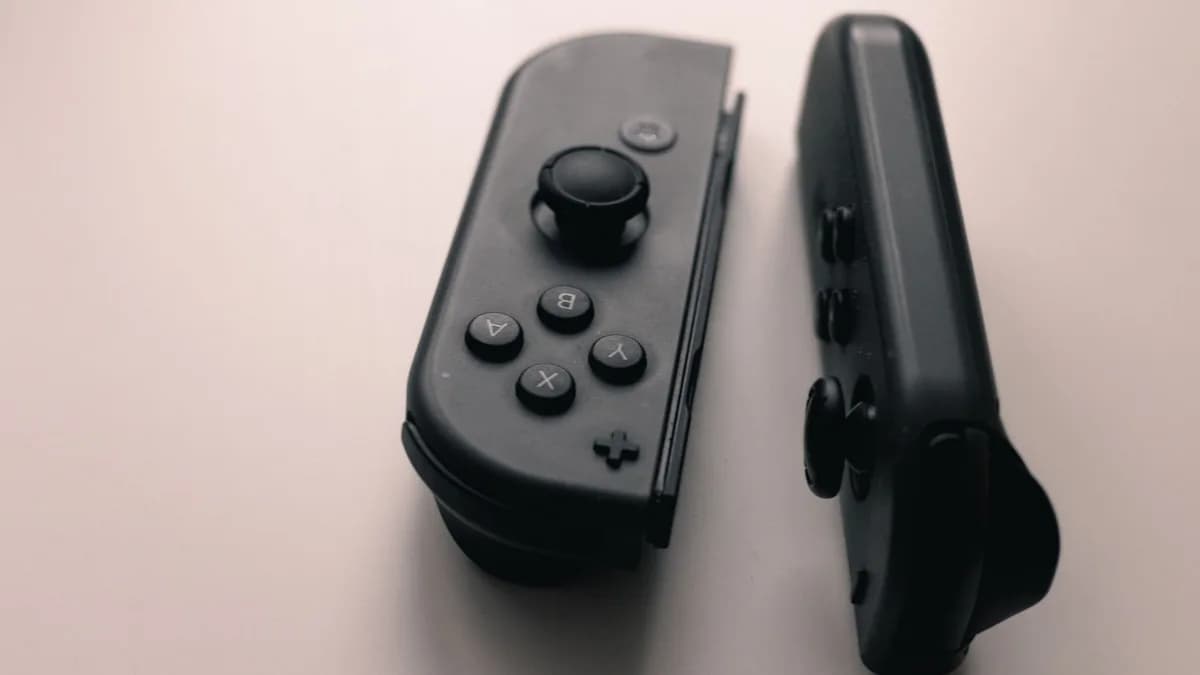
Nintendo just reported a 150.5 percent surge in quarterly operating profit, but the headline-grabbing number has little to do with selling games. The core driver of this $902 million windfall, according to The Verge, is roughly $300 million in refunds from United States tariffs. Nintendo bore those costs in 2025 and passed them to consumers through higher prices. Now, with the money back in its pocket, the company is bluntly telling customers they won’t see a dime.
TechnologyAugust 6, 2026· 7 min read· By XOOMAR Insights Team
Nintendo Hides $300M Tariff Refund From Buyers
Updated on August 6, 2026
XOOMAR Intelligence
Analyst Take
70/ 100
2 sources analyzedMedium confidenceTrend10Freshness99Source Trust88Factual Grounding96Signal Cluster20
This isn’t a story about corporate greed. It’s a blueprint for how a faceless government policy can silently reshape consumer tech profits years after the sale, and how that cash quietly builds the products of tomorrow instead of rewarding the buyers of yesterday.
Nintendo's First-Quarter Surge: More Than Just Games Driving Profit
For a mature console generation, a 150.5 percent profit jump is unprecedented. Operating profit soared to 142.5 billion yen (about $902 million) for the quarter ending June 30th, up from 56.9 billion yen (about $360 million) a year prior.
The earnings report credits two factors. The first is solid, if unspectacular, operational growth: Switch 2 software sales increased by 9.2 percent, and legacy Switch software surged 38.6 percent. The second is the $300 million tariff refund that landed directly on the balance sheet, recorded as a “reduction of cost of sales.” Remove that one-time windfall, and Nintendo’s profit jump looks far more ordinary. This story’s tension is between those two realities: the operational business of selling games, and the geopolitical lottery ticket that dramatically altered the quarter’s results.
The Tariff Refund Windfall: Profiting From an Old Trade War
The refund stems from a turbulent period in U.S. trade policy. In 2025, the Trump administration imposed sweeping tariffs, including a 20 percent rate on imports from Vietnam where roughly one-third of Nintendo Switch units are assembled.
Nintendo later described these tariffs as "sweeping" and "constantly changing" and cited them as the direct reason for U.S. price increases.
The impact was immediate and visible. According to an ABC News report citing GameDeveloper.com data, the Nintendo Switch OLED Model jumped from $349.99 to $399.99. The standard Switch rose from $299.99 to $339.99, and the Switch Lite increased from $199.99 to $229.99. Consumers paid these higher prices at checkout.
In February, the U.S. Supreme Court ruled those tariffs illegal. A massive refund process began, with $80 billion already returned to businesses by May, plus interest. Nintendo filed its own claim and received approximately $300 million back this quarter. This cash injection is pure corporate serendipity, a retroactive correction to a past expense with no connection to current consumer demand or product quality.
What Nintendo Could Have Done With The Money (But Didn't)
The most obvious consumer expectation would be a price cut. With Switch hardware aging and sales declining—Switch 2 unit sales fell from 5.82 million to 3.82 million year-over-year—a gesture of goodwill seemed plausible. Instead, Nintendo’s move is a classic corporate capital allocation play.
R&D Investment: The most likely destination for this windfall is funding the next hardware cycle. This cash provides a massive, risk-free buffer to innovate without pressure to cut corners.
Financial Fortification: This strengthens Nintendo’s balance sheet ahead of a costly platform transition, insulating it from competition or market shocks.
Legal Defense: Nintendo is actively using this money to fight the very customers seeking a share of it. The company is in court trying to dismiss a class-action lawsuit alleging it unfairly retains refunds after passing costs to consumers. As we reported in $20M Benioff Bet Puts June AI Startup on the Hot Seat, investor capital often fuels growth, not consumer rebates.
The company’s legal filing makes its stance brutally clear: “Those who bought Nintendo’s products received exactly what they bargained and paid for... Plaintiffs are not entitled to a rebate simply because of intervening legal developments related to tariffs.” The priority is future security, not past customer relations.
The Gamer's Perspective vs. The Shareholder's Perspective
This event highlights a fundamental divide in how value is perceived.
The Gamer’s View: There’s a sense of a broken feedback loop. I paid an extra $40 for my Switch because of a government tariff. The government later admitted the tariff was illegal and paid the company back. Yet my price stays high, and the company pockets the difference. The value proposition feels retrospectively unfair.
The Shareholder’s View: This is prudent, conservative financial management. A tariff refund is a non-operating gain; it’s not profit earned from core business excellence. Using it to fortify the company for the next competitive battle is the responsible choice. Maximizing long-term shareholder value means investing in the future, not issuing retroactive discounts.
The core clash is temporal: should corporate windfalls reward the customers who funded the present, or should they bankroll the products that will define the future? Nintendo has chosen the latter, a decision that prioritizes market longevity over momentary goodwill. This approach mirrors the tough calculus seen in Block Axes 40% of Staff, Code Output Jumps 150%, where severe cuts were made to secure a long-term, AI-driven future.
A Playbook Written By Apple and Big Pharma
Nintendo’s move isn’t an anomaly. It’s a page from the big-cap corporate handbook on deploying financial windfalls.
| Company | Windfall Source | Typical Use | Consumer Benefit? |
|---|---|---|---|
| Apple | Strategic tax structures, supply chain mastery | Massive R&D ($30B+ annually), stock buybacks | Indirect, via future products |
| Big Pharma | Patent settlements, government research grants | Shareholder returns, pipeline R&D | Rarely leads to drug price cuts |
| Nintendo | Retroactive US tariff refunds | Fortifying balance sheet, next-gen R&D | No direct price reduction |
Like Apple, which uses its colossal cash reserves to fund decade-long project bets without needing immediate returns, Nintendo is using this lump sum to build a financial fortress. It can afford to be patient, to invest in a robust launch library for its next console, and to avoid a panicked, loss-leading price point. The goal is market longevity, not a temporary sales spike. This is how mature corporations convert unexpected cash into sustained competitive advantage.
What This Means For The Upcoming Switch 2 Launch
This $300 million cushion directly shapes the next console generation.
Pricing Flexibility: The pressure to sell hardware at a steep loss to gain market share evaporates. Nintendo can prioritize healthier margins out of the gate, potentially leading to a higher launch price point for the Switch successor than some rumors suggest.
Launch Library Investment: One of the historic weaknesses of new console launches is a sparse game lineup. This financial buffer allows Nintendo to heavily invest in first-party development or secure exclusive third-party titles to ensure a strong Day One offering.
The ultimate beneficiary of this 2025-2026 tariff saga may be the consumer buying a Switch 2 in 2027 or 2028. They’ll inherit a platform launched from a position of financial strength, with more software and perhaps more stable online services. The customer who paid the tariff-inflated price in 2025 funded that future, whether they intended to or not.
The New Reality: Your Game Purchase Funds Geopolitics
This story’s final lesson is one of opaque causality. When you purchase a gadget, you’re not just buying a piece of technology. You’re casting a vote in a complex global system where the final price is a snapshot of temporary diplomatic and trade relations.
- The price you paid in 2025 was a bet on those relations holding.
- Nintendo’s earnings in 2026 are the payout from that bet being wrong.
- The product you’ll see in 2027 is built with the winnings.
As long as consumer hardware is sourced from a globally interconnected supply chain, these quiet, post-sale fiscal shocks will remain a feature of the industry. Tariffs will come and go; trade wars will flare and settle. The corporations that navigate them will occasionally receive unexpected bonuses. The question for consumers is not whether this will happen again, but whether they will ever see a direct benefit, or if—as Nintendo argues—they simply got “exactly what they bargained and paid for.” For now, the corporate playbook is clear: bank the windfall, build the future, and let the past pay for itself.
Impact Analysis
- Nintendo's massive $300 million tariff refund demonstrates how government trade policies can directly and retroactively impact corporate profits, affecting stock valuations.
- Consumers who previously paid higher prices due to passed-on tariffs are not being reimbursed, highlighting a disconnect between regulatory outcomes and consumer redress.
- This case sets a precedent for how companies might handle future financial windfalls from policy changes, potentially influencing transparency and pricing practices in the tech industry.
Nintendo Quarterly Operating Profit (Q2)
Previous Year
$ million360
Current Quarter
$ million902
Sources

Written by
XOOMAR Insights Team
Research and Editorial Desk
The XOOMAR Insights Team pairs automated research with human editorial judgment. We track hundreds of sources across technology, fintech, trading, SaaS, and cybersecurity, cross-check the facts, and explain what happened, why it matters, and what to watch next. We do not just rewrite headlines. Every article is fact-checked and scored for reliability before it goes live, and we link back to the original sources so you can verify anything yourself.
Explore More Topics
Related Articles
 Technology
Trump AI Framework Excludes Open Models in Cybersecurity Blind Spot
The Trump administration's AI testing framework excludes open models, creating a two-tier system that favors corporate labs and leaves a critical cybersecurity
Aug 5, 20267 min
 Technology
$14B AMD AI Deal Pulls Core Scientific From Bitcoin Mining
Core Scientific’s $14B AMD AI leases mark a hard pivot from bitcoin mining, with options that could expand capacity to 2.5 GW.
Aug 2, 20265 min
 Technology
Diarra From Detroit Season 2 Skips BET+ for Paramount+
Season 2 streams on Paramount+, not BET+, with two episodes out now and weekly Wednesday releases through Sept. 9.
Jul 31, 20269 min
 Technology
Disney Bets TikTok Creators Beat AI for Subscribers
Disney is abandoning its walled garden, importing TikTok creators and their fan-made videos directly into Disney+ to stave off subscriber fatigue after a failed
Aug 5, 20266 min
 Technology
AI Search Traffic Bleeds Publishers but Feeds Homepages
AI summaries are cutting clicks while ChatGPT points humans to homepages, forcing sites to rebuild for machines and buyers.
Aug 2, 20268 min
 Cybersecurity
Feds Set Deadline as Hackers Hit AI Tool, Web Server Code
The US government has issued a mandatory remediation deadline after confirming attackers are actively exploiting critical bugs in Langflow, Apache Tomcat, and N
Aug 6, 20265 min
 Fintech
AI Banking OS Startup Raises $30M to Replace Ancient Loan Tech
Startup Maximum raised a massive $30 million seed round to build an AI-native operating system from the ground up, aiming to replace banks' decades-old core pla
Aug 6, 20267 min
 Cybersecurity
Chinese Telcos Still Run U.S. Network Backdoors, Report Warns
A U.S. House committee report finds China's state-owned telecom giants maintain deep, persistent access points within American networks despite being officially
Aug 6, 20267 min
 Technology
GTA VI Trailer Exclusively Premieres on Netflix First
Rockstar Games will debut its next major GTA VI preview exclusively on Netflix, a blockbuster marketing shift that treats the game's final trailer like a premie
Aug 6, 20265 min
 Cybersecurity
Record UK Terror Referrals Mask Half Without Clear Ideology
The UK's Prevent anti-terror scheme hit a record 8,778 referrals, but more than half lacked any clear ideology, revealing a system increasingly used as a behavi
Aug 6, 20266 min
Don't miss the signal
Get our weekly roundup of the stories that matter across tech, fintech, and trading. No noise, just signal.
Free forever. No spam. Unsubscribe anytime.