
The question Apple Upgrade raises is who controls the iPhone replacement cycle when the device is leased instead of financed.
FintechJuly 28, 2026· 7 min read· By XOOMAR Insights Team
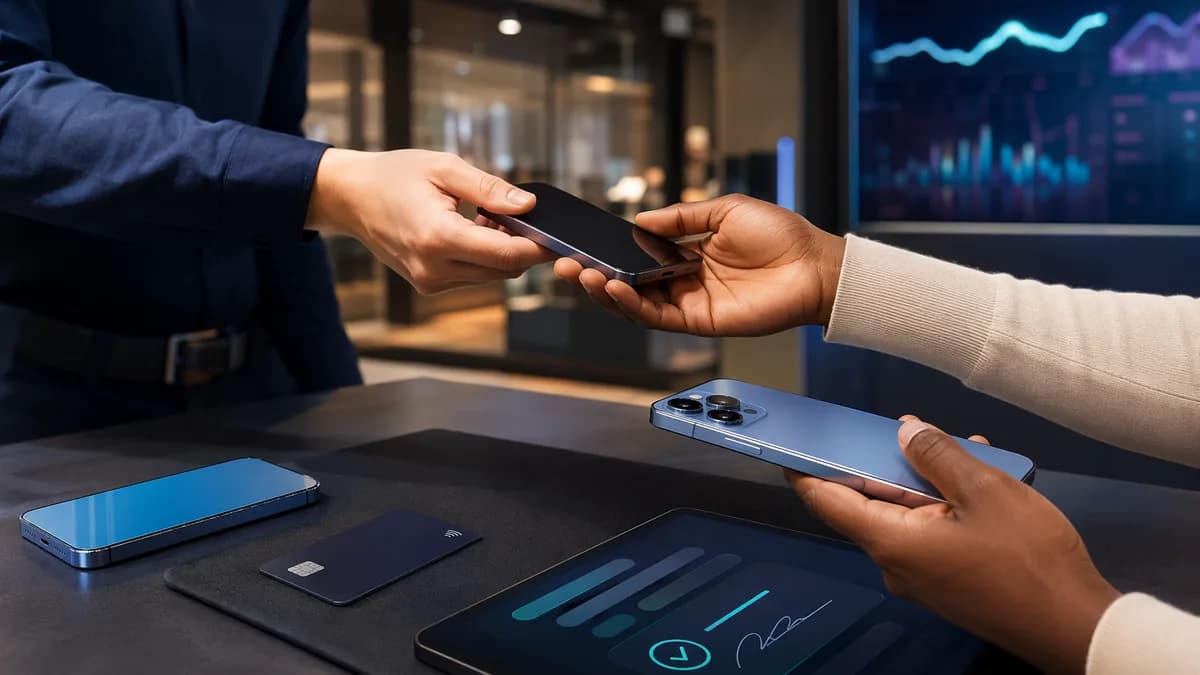
Apple Upgrade Grabs Control of Your Next iPhone Cycle
Updated on July 28, 2026
XOOMAR Intelligence
Analyst Take
74/ 100
4 sources analyzedMedium confidenceTrend10Freshness99Source Trust88Factual Grounding92Signal Cluster40
Apple is expected to launch Apple Upgrade on Tuesday, July 28, and stop taking new enrollments for the iPhone Upgrade Program, while existing members can continue “for the time being,” according to PYMNTS.
That sounds like a payment-plan tweak. It’s bigger than that. XOOMAR analysis: Apple is testing whether customers will treat hardware less like a purchase and more like an ongoing managed relationship.
Apple will allow current iPhone Upgrade Program members to continue “for the time being,” according to the report.
That phrase matters. It signals a transition, not a clean break.
Is Apple Upgrade just a cheaper iPhone payment plan?
No. The reported structure changes the legal and economic feel of the transaction.
The iPhone Upgrade Program is described in the source as a financing program. Apple Upgrade is described as a leasing program. That distinction is the heart of the story. Financing points toward ownership. Leasing points toward access, return options, and a more controlled device cycle.
Here’s the reported contrast:
| Feature | iPhone Upgrade Program | Apple Upgrade |
|---|---|---|
| Structure | Financing program | Leasing program |
| AppleCare | Included | Not included |
| Financial backer | Citizens Bank | Klarna |
| New enrollments | Being wound down | Launching July 28 |
| Existing users | Can continue “for the time being” | New path going forward |
Apple Upgrade is expected to work “like a subscription.” Users will reportedly be able to pay off devices early, upgrade earlier to newer models, or keep the original device until the leasing period ends. The device can also be returned at the end of the term, similar to a car lease.
That gives customers more visible flexibility. It also moves the default mindset away from “I bought this iPhone” and toward “I’m in the Apple Upgrade flow.”
Why would Apple remove AppleCare from the new default path?
The missing AppleCare bundle is one of the sharpest changes.
Under the iPhone Upgrade Program, AppleCare was part of the package. Under Apple Upgrade, the source says it won’t be included. That could make the monthly payment look lower, but it also changes the true cost comparison for buyers who want protection.
XOOMAR analysis: This is where consumers need to slow down. A lease without included device protection may look cleaner on the checkout screen, but damage terms, return conditions, and separate AppleCare pricing will decide whether it’s actually cheaper for a real user.
The reported pitch is lower payments than current financing programs. Apple did not include the iPhone in a recent round of price increases, but the report says the company is widely expected to raise the cost of the device when the latest model debuts in September.
So the timing is not random. A lower monthly lease can soften the psychological hit of a higher device price, even if the full long-term economics depend on fees, protection, upgrade timing, and end-of-term choices.
Which products get pulled into Apple’s leasing model first?
Apple Upgrade is not limited to the iPhone.
The program will support most iPhone, Mac, iPad, and Apple Watch models, according to the report. Digital Trends reported that it will launch first in the United States, with 24-month leases on eligible iPhones and Apple Watches and 36-month leases on Macs and iPads.
9to5Mac also reported that Apple Upgrade will require a soft credit check and that some models will not be eligible, including the Apple Watch SE, base model iPad, iPhone 16, and MacBook Neo, according to 9to5Mac.
That product spread is important. Apple is not merely replacing an iPhone-specific upgrade product with another iPhone-specific upgrade product. It is applying a leasing structure across multiple hardware categories.
For separate XOOMAR coverage of Apple’s hardware and platform decisions, see MacBook OLED Risks Apple's Touch Bar Mistake Again and Apple Maps Seizes Ford EV Dashboards in $30K Truck Bet.
Why is Klarna taking Citizens Bank’s place?
The financial partner shift is not cosmetic.
The old iPhone Upgrade Program was backed by Citizens Bank. Apple Upgrade will be backed by Klarna. PYMNTS also notes that Apple shut down its own BNPL offering earlier in 2024 after stricter regulations announced by the Consumer Financial Protection Bureau, then began promoting BNPL programs from Affirm and Klarna instead.
There’s a pattern in the reported facts:
- December 2024: Apple reportedly stopped developing an iPhone hardware subscription program after software bugs and concerns about potential regulatory scrutiny.
- Earlier in 2024: Apple shut down its BNPL offering after stricter CFPB rules.
- July 2026: Apple is expected to launch Apple Upgrade with Klarna as financial backer.
XOOMAR analysis: Apple appears to want the commercial benefits of recurring hardware payments without carrying every part of the financing and compliance burden itself. Klarna gives Apple a partner built for consumer credit, billing, and payment flows.
That does not mean the arrangement is risk-free. It means Apple is choosing a structure where the front-end customer experience can still feel Apple-managed, while the financial machinery sits with a specialist.
What should iPhone buyers check before joining Apple Upgrade?
The practical question is simple: are you paying for convenience, or giving up ownership value without noticing?
Before signing up, buyers should ask:
- Ownership: Do you own the device at any point, or only after a payoff?
- AppleCare: If protection is not included, what does equivalent coverage cost separately?
- Upgrade timing: What counts as an early upgrade, and when does a fee apply?
- Returns: What condition must the device be in at the end of the lease?
- Payoff: What happens if you want to exit early or keep the device?
- Eligibility: Is the specific model you want included?
The source says users can pay off devices early, upgrade earlier, keep the device until the leasing period ends, or return it at the end. It also says some transactions may involve an additional fee, based on the related 9to5Mac summary of Bloomberg’s report.
That fee detail is where the math lives.
A buyer who upgrades frequently may find Apple Upgrade attractive, especially if the monthly payment is lower than financing. A buyer who keeps an iPhone for three or four years should be more skeptical. Leasing can make premium hardware feel easier to justify month to month, but repeated leases can normalize permanent device payments.
Could Apple Upgrade become a broader iPhone subscription later?
Apple has already tried and paused a more direct hardware subscription effort, according to the December 2024 report cited by PYMNTS. Apple Upgrade looks like a more cautious version: lease the hardware, use Klarna for financial backing, keep existing iPhone Upgrade Program members in place for now, and avoid an abrupt migration.
XOOMAR analysis: The next logical watch item is whether Apple keeps Apple Upgrade as a hardware lease or gradually ties it more closely to AppleCare, iCloud, Apple One, and trade-in options. The source does not say Apple will do that. But the direction is clear enough to monitor: hardware is being packaged with the rhythm of a recurring service.
The evidence to watch is specific. Do AppleCare attach rates change after launch? Does Apple push Apple Upgrade harder when new iPhones arrive in September? Do existing iPhone Upgrade Program members eventually get moved into the new structure?
If Apple Upgrade becomes the preferred checkout path, the iPhone stops looking like a product bought every few years. It starts looking like a membership customers renew by habit.
Disclaimer: This XOOMAR analysis is for informational and educational purposes only. It is not financial, investment, legal, tax, or professional advice. It does not provide buy, sell, hold, price-target, portfolio, or personalized recommendations. Verify information independently and consult qualified professionals before making decisions.
The Bottom Line
- Apple may be shifting iPhone ownership toward a subscription-like leasing model.
- The change could give Apple more control over when customers replace devices.
- Consumers may gain upgrade flexibility but lose the ownership feel of traditional financing.
iPhone Upgrade Program vs. Apple Upgrade
| Feature | iPhone Upgrade Program | Apple Upgrade |
|---|---|---|
| Structure | Financing program | Leasing program |
| AppleCare | Included | Not included |
| Financial backer | Citizens Bank | Klarna |
| New enrollments | Being wound down | Launching July 28 |
| Existing users | Can continue “for the time being” | New path going forward |
Sources
Disclaimer: Content on XOOMAR is produced using AI-assisted research, drafting, and verification workflows and is intended for informational and educational purposes only. It does not constitute financial, investment, legal, tax, medical, or professional advice of any kind. All analysis reflects available information at the time of publication and may not be current. Verify information independently and consult qualified professionals before making decisions. Editorial policy

Written by
XOOMAR Insights Team
Research and Editorial Desk
The XOOMAR Insights Team pairs automated research with human editorial judgment. We track hundreds of sources across technology, fintech, trading, SaaS, and cybersecurity, cross-check the facts, and explain what happened, why it matters, and what to watch next. We do not just rewrite headlines. Every article is fact-checked and scored for reliability before it goes live, and we link back to the original sources so you can verify anything yourself.
Explore More Topics
Related Articles
 Fintech
Klarna Pulls Apple Upgrade Deeper Into Lease Economy
Apple's Klarna-backed lease plan could make pricey devices feel cheaper while nudging buyers into endless upgrade cycles.
Jul 21, 20268 min
 Fintech
Samsung Galaxy Card Takes Aim at Apple's Wallet Grip
Samsung is launching its first US credit card with Barclays and Visa, using its massive device base to challenge Apple Card.
Jul 21, 20266 min
 Fintech
ZachXBT Torches Hardware Wallets as Bitcoin Holds $65K
ZachXBT ripped hardware wallets as Bitcoin stayed near $65K, turning a quiet market into a test of crypto custody trust.
Jul 16, 20267 min
 Cybersecurity
App Store Crypto Scam Drags Apple Into $1.8M Fight
Apple faces a lawsuit after users say a fake Sparrow Wallet on the App Store drained $1.8M in Bitcoin, testing its safety pitch.
Jul 27, 20269 min
 Trading
Bitcoin Fed Meeting Threatens to Crack $65K Calm This Week
Bitcoin held near $65,000 after Nvidia's slide, but Fed week will test whether BTC's calm is real demand or just a macro pause.
Jul 27, 20268 min
 Fintech
Upstart Bank Charter Throws AI Lending Into Hot Seat
Upstart won OCC conditional approval, but its bank charter still needs FDIC and Fed signoffs before its AI lending model faces the real test.
Jul 27, 202610 min
 Technology
Outsourced Thinking Triggers Satya Nadella AI Warning
Satya Nadella says companies handing one AI lab their prompts, metadata and memory risk outsourcing the thinking that keeps them alive.
Jul 27, 20268 min
 Trading
6.79 PBoC Fix Traps USD/CNH as Yuan Bulls Stall Again
OCBC says the 6.79 PBoC fix is keeping USD/CNH rangebound, signaling Beijing wants two-way moves without a sharper yuan rally.
Jul 27, 20268 min
 Technology
RAM Shock Slams Framework Laptop 13 Pro With $800 Hike
Framework built its best repairable laptop yet, but an $800 RAM-driven price jump may scare off the buyers it needs.
Jul 27, 20267 min
 Global Trends
Zippy Puppeteer Ronnie Le Drew Dies at 78 After Illness
Ronnie Le Drew, the puppeteer behind Zippy and Labyrinth goblins, has died at 78 after a short illness.
Jul 27, 20266 min
Don't miss the signal
Get our weekly roundup of the stories that matter across tech, fintech, and trading. No noise, just signal.
Free forever. No spam. Unsubscribe anytime.