
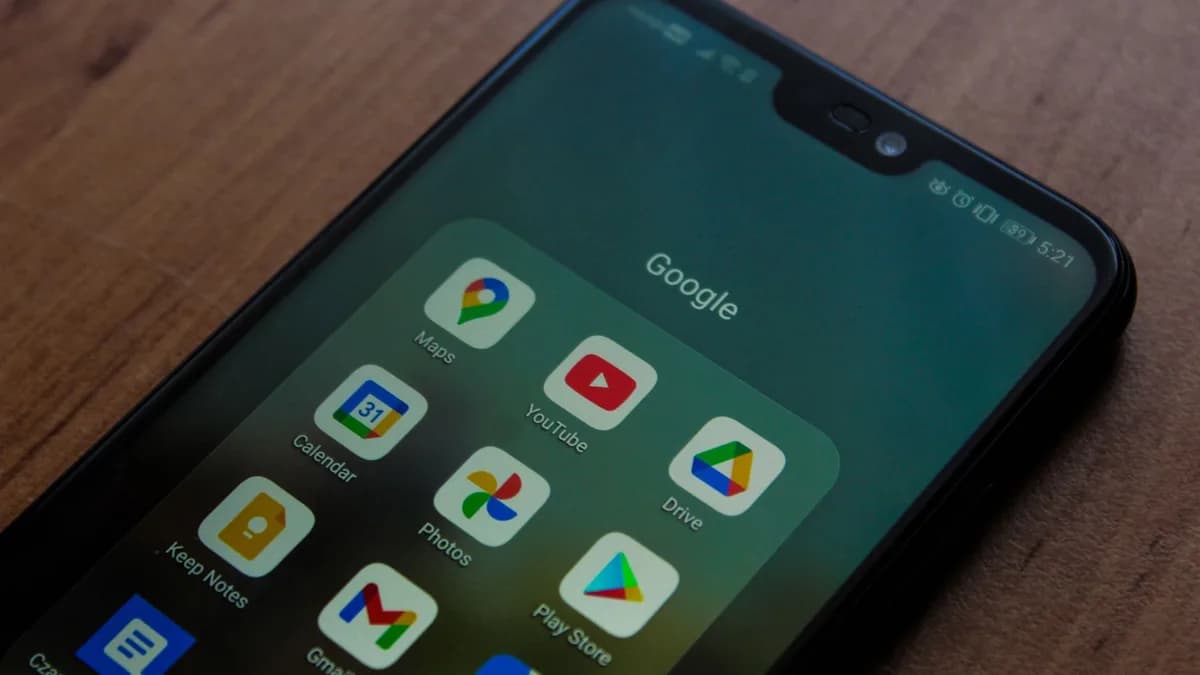
Starting today, you can link your Venmo account to the Google Play Store for purchases including games, apps, add-ons, and subscriptions, according to TechCrunch. Google’s announcement is a single new check-out option, but its strategic weight comes from which checkout option it is. This is Google grabbing for the digital wallet of a younger, more financially casual user who lives and spends inside an app-first environment.
FintechAugust 10, 2026· 5 min read· By XOOMAR Insights Team
Google Gambles on Venmo to Win Gen Z’s Wallet
Updated on August 10, 2026
XOOMAR Intelligence
Analyst Take
58/ 100
4 sources analyzedLow confidenceTrend10Freshness100Source Trust90Factual Grounding90Signal Cluster20
It’s a targeted strike at the heart of modern platform competition. Control the payment layer, and you gain influence over spending habits, user data, and platform loyalty.
Google Plays Catch-Up in the Digital Wallet Race
Venmo joins PayPal and Cash App as alternate payment methods on Google Play. The move is a straightforward expansion of choice, but it’s remarkably late. As other outlets noted, Cash App was added over two years ago, and PayPal has been available for over a decade. Google adding Venmo now highlights how the company’s payments strategy has often been reactive rather than prescriptive.
The available sources highlight Venmo's key feature for this integration: users can pay with their Venmo balance or any linked bank account or card. This targets a user who might not have a credit card readily on file but keeps a balance for social spending. For Google, it’s a direct play to lower the friction for a demographic that already uses Venmo as a primary financial tool, making impulse purchases on the Play Store just a bit easier.
Google has been trying to boost Android app spending for years. This integration is a logical, data-driven next step. In 2025, user spend across iOS and Google Play was over $167 billion for in-app purchases, up 10.6% year-on-year, according to Sensor Tower data cited in the source material. Google is methodically removing barriers for every potential spender on its platform.
The Strategic Target Isn't Credit Cards, It's Apple
The deeper play here isn't about competing with Visa or Mastercard. It's about competing with Apple’s end-to-end ecosystem control. Apple tightly integrates its own payment systems and Apple ID. Google’s Android platform is inherently more open, which can be a weakness in creating a seamless, sticky user experience. By embracing popular third-party wallets like Venmo and Cash App, Google is leveraging that openness as a strength.
It’s offering the payment flexibility that Apple's walled garden typically restricts. For a user whose financial identity is tied to Venmo, the ability to use it across their phone's core app store creates a powerful incentive to stay within the Android ecosystem. This follows a pattern of Google building connective tissue across the open web, a strategy we've seen shift in other high-stakes areas like Google's internal AI leadership and resource allocation.
“Whether you use your Venmo balance or a linked payment method, you’ll have a new way to level up in your favorite games, manage your subscriptions and tip the creators who inspire you,” Google stated in its announcement.
This isn't just about buying apps. It's about embedding Venmo into the entire digital content lifecycle on Android: microtransactions in games, recurring subscriptions, and even tipping creators within apps. That’s a level of financial integration that moves Venmo from a peer-to-peer novelty to a mainstream financial conduit.
Who Actually Benefits from This Integration?
Google's Win is clear: increased transaction volume. Easier payment methods lower abandonment at checkout. More importantly, Google gains insight into a new segment of spending behavior linked to Venmo users, data it can use to refine its own financial products and advertising.
Venmo's Edge is legitimacy. Being a payment option inside a major app store is a milestone. It transitions Venmo from "the app you split dinner with" to a verified method for digital commerce, boosting its utility and stickiness.
Developers get a potential upside: lower payment friction could translate into higher conversion rates for in-app purchases and subscriptions. However, it also adds another party to the transaction stack. While not mentioned in the sources, developers must consider the complexities of support and reconciliation across multiple payment providers, each with its own fee structure and policies.
Consumers get convenience, which is the entire point. The trade-off, as with any data-centric service, is further entangling another corporation in your spending habits. Your preferred digital wallet becomes another thread binding you to a specific platform.
The Next Frontier: Your Wallet as Your Universal ID
Google adding Venmo points to a future where your preferred payment app is less about finance and more about digital identity. We are moving toward a landscape where your chosen wallet (Venmo, Cash App, Apple Pay, Google Pay) could dictate your comfort and spending across platforms.
What to watch next:
- Regional Rollout: The sources note Venmo is "effectively exclusive to the US," making this a U.S.-only play for now. Watch to see if Google pursues similar integrations with regional digital wallets in other markets, like India's PhonePe or Brazil's Pix.
- The Aggregator Model: Will Google or another player create a unified "wallet of wallets" interface within the Play Store, letting users toggle between Venmo, Cash App, and others seamlessly? This would be the logical evolution of today's addition.
- Fee Structures: The source material is silent on whether Venmo transactions will incur different fees for developers or consumers compared to traditional card payments. Any change here will be a major signal of the competitive dynamics at play.
- Regulatory Scrutiny: As payment options proliferate within dominant app stores, regulatory attention on fees, data sharing, and anti-competitive bundling will intensify, as seen in other fintech arenas like the Senate's scrutiny of banking compliance failures.
Google’s move is a single feature update. Its implication is a significant step in the battle to own not just your device or your apps, but the flow of your digital money. The winner won't be the company with the best phone, but the one that becomes the most convenient place for your money to live online.
Disclaimer: This XOOMAR analysis is for informational and educational purposes only. It is not financial, investment, legal, tax, or professional advice. It does not provide buy, sell, hold, price-target, portfolio, or personalized recommendations. Verify information independently and consult qualified professionals before making decisions.
The Bottom Line
- Reduces friction for younger, app-first users who rely on Venmo as a primary financial tool, potentially increasing impulse purchases on Google Play.
- Helps Google catch up in the digital wallet race by expanding payment choices, directly competing with other platforms for user spending and data.
- Represents a strategic move to capture a more financially casual demographic, influencing spending habits and platform loyalty through payment layer control.
Google Play Payment Option Timeline
| Payment Method | Years Available on Google Play |
|---|---|
| PayPal | Over 10 years |
| Cash App | Over 2 years |
| Venmo | Added today |
Annual In-App Purchase Spend (2025)
Total Spend (iOS + Google Play)
billion $167
Sources
Disclaimer: Content on XOOMAR is produced using AI-assisted research, drafting, and verification workflows and is intended for informational and educational purposes only. It does not constitute financial, investment, legal, tax, medical, or professional advice of any kind. All analysis reflects available information at the time of publication and may not be current. Verify information independently and consult qualified professionals before making decisions. Editorial policy

Written by
XOOMAR Insights Team
Research and Editorial Desk
The XOOMAR Insights Team pairs automated research with human editorial judgment. We track hundreds of sources across technology, fintech, trading, SaaS, and cybersecurity, cross-check the facts, and explain what happened, why it matters, and what to watch next. We do not just rewrite headlines. Every article is fact-checked and scored for reliability before it goes live, and we link back to the original sources so you can verify anything yourself.
Explore More Topics
Related Articles
 Fintech
Google Wallet Creates Parent-Controlled Money Pools for Kids
Google Wallet now lets U.S. parents set up a secure, supervised balance for kids under 18, offering a middle ground between cash and a traditional debit card to
Aug 6, 20267 min
 Fintech
Google Wallet Turns Kids' Phones Into Allowance Trackers
Google Wallet now lets U.S. parents fund and control a child's spending balance, locking it down instantly and setting daily limits on their device.
Aug 6, 20266 min
 Fintech
Western Union Dollar Stablecoin Card Launches Via Visa
Western Union and Rain have launched a Visa debit card that instantly converts volatile local currencies into a dollar-backed stablecoin, aiming to protect spen
Aug 10, 20268 min
 Fintech
Musk Turns Paid X Users Into X Money App Banking Test
X Money is live for paid U.S. subscribers, turning Premium users into Musk’s first real test of banking inside X.
Jul 28, 20268 min
 Technology
SpaceX Bleeds $1.5 Billion in AI Compute Rush
SpaceX's AI business is its top revenue driver but lost $1.5 billion last quarter, marking a costly strategic shift from rockets to cloud compute.
Aug 9, 20267 min
 Trading
AUD Climbs Past Key Support As Dollar Sentiment Shifts
The Australian dollar is rallying on shifting risk appetite, defending its 200-day moving average and aiming for a technical breakout toward $0.7120 against the
Aug 10, 20267 min
 Technology
Meta Claims Zuckerberg Yacht Crew Missed Distress Call
Meta says the crew aboard Mark Zuckerberg's superyacht didn't hear a Coast Guard radio call to assist a stranded boat, sparking outrage over wealth and duty.
Aug 10, 20266 min
 Global Trends
Republicans Fail to Oust Max Miller Despite Abuse Claims
Despite intense pressure from his own party over domestic abuse allegations, Max Miller stays on Ohio's ballot because a legal deadline for replacement has pass
Aug 10, 20268 min
 Technology
AI Hunts for New Chips to Shatter Hardware's Heat Barrier
Discovered Materials is using AI to hunt for new semiconductor materials, aiming to replace a decade-long manual process and smash the heat wall throttling mode
Aug 10, 20267 min
 Cybersecurity
North Korea's Cyber Arsenal Now Runs on Local AI
A new report warns that North Korean hacking groups are now operating fully localized, AI-driven cyber infrastructure to build malware and analyze stolen intell
Aug 10, 20266 min
Don't miss the signal
Get our weekly roundup of the stories that matter across tech, fintech, and trading. No noise, just signal.
Free forever. No spam. Unsubscribe anytime.