
The reported Polymarket fake betting videos expose a self-inflicted trust crisis, because a prediction market that stages betting activity is weakening the very signal it wants everyone to believe. The people most exposed are not just viewers scrolling TikTok, but users, builders, creators, and rival platforms trying to prove prediction markets deserve serious attention.
FintechJune 21, 2026· 8 min read· By XOOMAR Insights Team
Fake Betting Videos Drag Polymarket Into Trust Crisis
Updated on June 22, 2026
XOOMAR Intelligence
Analyst Take
68/ 100
4 sources analyzedLow confidenceTrend20Freshness98Source Trust83Factual Grounding90Signal Cluster20
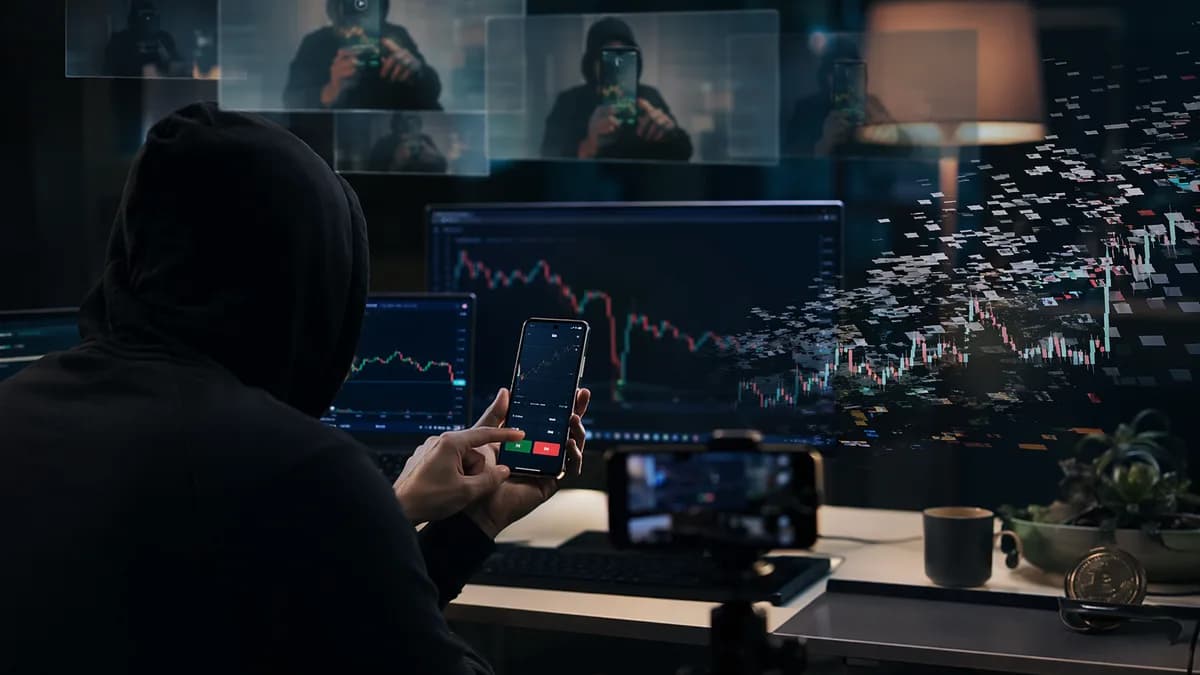
According to Engadget, The Wall Street Journal reviewed 1,105 TikTok videos and found that 778 appeared to show someone placing a bet, yet reportedly none of those used the actual Polymarket website. They used dummy sites made to resemble it. That is the core problem. Polymarket wants its markets treated as live public information, but serious markets don’t need theatrical proof of demand.
Polymarket's paid fake betting videos are a self-inflicted trust crisis for the platform
If Polymarket paid creators to stage or misrepresent betting activity, the company crossed a line that prediction markets can’t afford to blur. A betting platform does not merely sell an interface. It sells confidence in odds, market behavior, payouts, and the idea that visible activity reflects real conviction.
The reported creator guidance matters because it points to coordination, not a handful of creators freelancing for attention. TechCrunch, citing the Journal, reported that Polymarket viewed instructional materials given to creators and said the company used a marketing contractor to amplify videos through a “social-media army.”
Polymarket said it is “committed to maintaining accurate, fair, and transparent markets” and plans to conduct an audit of its promotional content.
That statement is necessary. It is not enough.
The builder problem
For Polymarket’s own product and growth teams, the question is blunt: how can users trust market signals if the company’s marketing arm allegedly faked the act of participating in those markets?
XOOMAR analysis: this is bigger than bad influencer hygiene. If staged clips show fake trades, fake conviction, or fake winnings, they don’t just promote the product. They alter the atmosphere around it.
For more context on how this trust issue has already become central to the company’s public narrative, read XOOMAR’s Fake Bets Drag Polymarket Into a Creator Trust Crisis.
Fake Polymarket betting clips distort what users think they are buying
Fake Polymarket betting clips can make a market look more exciting, more liquid, or more profitable than it is. Viewers may not treat TikTok videos as formal ads, but they still shape expectations. A creator appearing to make a high-conviction trade and celebrate a win can push a viewer toward a risky market with a false sense of social proof.
The Verge, also citing the Journal, reported that in 118 videos, creators were shown reacting to winning bets totaling almost $900,000. In reality, those bets would have lost $166,000. That detail turns the story from “influencer exaggeration” into alleged performance fiction.
| Promotional element | Why it matters for users |
|---|---|
| Dummy websites | They can make staged actions look like real platform activity |
| Fake winning reactions | They can inflate the perceived odds of success |
| Paid creator posts | They can hide commercial incentives behind personal storytelling |
| Amplified reposting | It can make a campaign feel like organic momentum |
What does a viewer actually learn from a clip if the trade, the site, and the outcome are manufactured?
XOOMAR analysis: prediction markets depend on perceived honesty more than many consumer apps do. If promotional content fakes the act of betting, users will naturally wonder what else is being polished, framed, or massaged.
The 1,105-video review points to a marketing machine, not a harmless stunt
The strongest fact in this story is scale. The Journal reviewed 1,105 videos. Engadget reported that 778 appeared to show someone placing a bet. That number changes the ethical stakes.
One misleading post is bad judgment. A campaign with creator guidance and dummy sites looks like a growth strategy.
The reported use of instructions also changes the role of creators. They stop looking like independent voices and start functioning as paid distribution channels while preserving the feel of authenticity. That illusion is the product’s danger zone.
The creator incentive chain
Audiences rarely see the full incentive chain behind a viral clip. They see a face, a phone screen, a reaction, and a result. If payment, scripting, staging, and amplification sit behind that moment, the viewer is not watching a personal bet. They are watching an ad with the costume of a personal bet.
The question for creators is simple: if a post is paid, staged, and built around fake market activity, why should viewers treat it as creator content rather than deception?
TechCrunch reported that the Journal said Polymarket told creators not to specify that they had been paid by Polymarket, though creators began adding “@polymarket partner” to their bios after journalists started asking questions. If accurate, that sequence should alarm anyone who thinks disclosure is the minimum price of paid influence.
Prediction markets can't borrow crypto's worst influencer habits and expect credibility
Prediction markets already face a hard credibility test. Engadget noted that Minnesota became the first US state to ban them last month, while other states have tried to do the same and lawsuits have challenged those efforts. Spain blocked Polymarket and Kalshi in May while examining whether they violate the country’s gambling law.
That regulatory context matters because fake betting videos hand critics a clean argument. They can say the product is being sold through manufactured wins and misleading performance. They don’t need to attack the market model in theory when the marketing creates such an obvious target.
For readers tracking how prediction markets are being pulled into broader financial conversations, XOOMAR has also covered adjacent market expansion in Schwab Pulls Prediction Markets Into S&P 500 Cash Bets. The relevance here is narrow but real: when a category asks to be treated seriously, its marketing conduct becomes part of the case.
Can a platform ask journalists, traders, and political obsessives to quote its odds while paying creators to stage activity around those same markets?
XOOMAR analysis: Polymarket’s central pitch is that markets can reveal useful information. Fake videos muddy that signal. Manufactured enthusiasm can look like crowd intelligence, especially when it spreads through creator channels and repost networks.
Polymarket can call creator posts entertainment, but that defense is too thin
The strongest counterargument is obvious. Influencer marketing is common. Social clips are performative. Creators exaggerate. Platforms in crowded markets fight for attention, and viewers know TikTok is not a disclosure document.
There is some truth there. Creator campaigns are not automatically unethical. Paid posts can be fair when they are clearly labeled, when incentives are visible, and when the content does not fake the core behavior of the product.
But betting activity is the product.
Razeen Khan, a college student and creator who worked with Polymarket until March, compared the practice to commercials that make fast food look more appealing than it is in real life, according to TechCrunch.
“We’re depicting what actually happens.”
That defense fails where the reporting gets specific. The Journal reportedly found dummy sites, unreal bets, and winning reactions for trades that would have lost money. If the central act is fake, the post is not merely polished. It is misleading in the exact place where accuracy matters.
Would disclosure alone fix a staged video that implies real risk, real conviction, and real profit where none existed?
XOOMAR analysis: no. A label can tell viewers a creator was paid. It cannot make a fake trade real.
Polymarket should publish its creator rules before regulators write them
Polymarket’s next move should be public and specific. The company says it plans to audit promotional content. That audit should not vanish into a private process.
The platform should disclose paid creator relationships, ban staged betting claims, and archive promotional guidance for public review. It should require clear labels on paid posts and impose penalties for creators who fake trades, balances, profits, losses, or market activity.
A credible policy would cover at least four points:
- Disclosure: Paid creator relationships should be visible in the post itself, not buried in a bio.
- Authenticity: Videos should not show dummy sites as if they are live Polymarket activity.
- Results: Creators should not depict winnings, balances, or trades that did not happen.
- Enforcement: Violations should trigger removal, payment clawbacks, or loss of campaign access.
The question for regulators and rival platforms is whether Polymarket cleans this up before the story becomes a template for judging the whole category.
If it doesn’t, incidents like this will help opponents frame prediction markets as predatory by design, whether or not that claim fits every platform or use case. That would be a costly outcome for a sector trying to argue its odds deserve attention.
Prediction markets can become useful public signals only if the companies behind them stop treating trust as growth fuel to be burned. Polymarket should publish the rules, name the violations, and prove the audit has teeth. Anything less tells users to trust the odds while doubting the marketing.
Disclaimer: This XOOMAR analysis is for informational and educational purposes only. It is not financial, investment, legal, tax, or professional advice. It does not provide buy, sell, hold, price-target, portfolio, or personalized recommendations. Verify information independently and consult qualified professionals before making decisions.
The Stakes
- Prediction markets depend on trust that visible activity reflects real user conviction.
- Staged betting videos could damage Polymarket’s credibility with users, creators, and builders.
- The reported use of dummy sites raises broader concerns about transparency in crypto and betting-platform marketing.
Reported Betting Videos vs. Real Polymarket Activity
| Aspect | Reported TikTok Videos | Actual Polymarket Site |
|---|---|---|
| Betting interface | Dummy sites made to resemble Polymarket | Polymarket's real website |
| Videos reviewed | 1,105 TikTok videos reviewed by The Wall Street Journal | Not applicable |
| Videos appearing to show bets | 778 appeared to show someone placing a bet | Reportedly none used the actual Polymarket website |
WSJ Review of Polymarket-Related TikTok Videos
Videos reviewed
videos1,105
Appeared to show a bet
videos778
Used actual Polymarket site
videos0
Sources
Disclaimer: Content on XOOMAR is produced using AI-assisted research, drafting, and verification workflows and is intended for informational and educational purposes only. It does not constitute financial, investment, legal, tax, medical, or professional advice of any kind. All analysis reflects available information at the time of publication and may not be current. Verify information independently and consult qualified professionals before making decisions. Editorial policy

Written by
XOOMAR Insights Team
Research and Editorial Desk
The XOOMAR Insights Team pairs automated research with human editorial judgment. We track hundreds of sources across technology, fintech, trading, SaaS, and cybersecurity, cross-check the facts, and explain what happened, why it matters, and what to watch next. We do not just rewrite headlines. Every article is fact-checked and scored for reliability before it goes live, and we link back to the original sources so you can verify anything yourself.
Explore More Topics
Related Articles
 Fintech
Kalshi Threatens Netflix Over Defamatory Trailer Claim
Kalshi wants Netflix to yank a Prediction Games trailer, claiming it fakes documents and miscasts a Nevada betting scene.
Jul 25, 20266 min
 Fintech
New York Kalshi Lawsuit Threatens $36 Billion Blow
New York says Kalshi is illegal gambling. Kalshi says federal rules preempt the state. A $36 billion fight could redraw markets.
Jul 31, 20269 min
 Fintech
New York Sues Kalshi and Puts Prediction Markets on Trial
New York's lawsuit could recast Kalshi as illegal gambling and give states a roadmap to attack prediction markets.
Jul 31, 20269 min
 Fintech
Revolut Valuation Rockets to $115B in Employee Share Sale
Revolut’s $115B employee share sale crowns it Europe’s top private company and puts fresh heat on its banking ambitions.
Jul 27, 20265 min
 Fintech
Stablecoins Drag Visa, Goldman, Samsung Into Money Fight
Visa, Goldman and Samsung are turning stablecoins into a fight for control of digital money infrastructure.
Jul 25, 20268 min
 SaaS & Tools
Hark's New AI Agent Races Past GPT at a Fraction of the Cost
AI startup Hark just premiered a browser agent it says is significantly faster and cheaper than models from OpenAI and Anthropic, directly challenging the giant
Aug 6, 20269 min
 SaaS & Tools
Shopify Triples Traffic, Sales as AI Defies Google's Drop
Shopify is reporting a sharp uptick in AI-driven traffic and sales, showing the tool can fuel commerce even while it saps media publishers.
Aug 5, 20268 min
 Global Trends
Senators Hold Fauci in Contempt as COVID Probe Collapses
A Senate committee voted to hold Dr. Anthony Fauci in contempt of Congress, a partisan act his lawyer denounced as political theater that blocks real pandemic a
Aug 6, 20267 min
 Trading
Apollo Wins $5.7B EasyJet Takeover With Founder Backing
US private equity giant Apollo Global Management will acquire EasyJet for £5.7 billion (£7.15 per share), backed by the airline's founder, taking the iconic low
Aug 6, 20265 min
 Global Trends
Ukraine's 'Deep Strike' Strategy Cripples Russia's Oil Revenue
Ukraine has shifted to a strategy of 'deep strikes', using drones to attack oil refineries and military hubs inside Russia, aiming to cripple the economic engin
Aug 6, 20267 min
Don't miss the signal
Get our weekly roundup of the stories that matter across tech, fintech, and trading. No noise, just signal.
Free forever. No spam. Unsubscribe anytime.