
Two thirds of a credit union's membership doesn't even know if they can buy cryptocurrency there, but the younger third is already doing it somewhere else. This isn't a product debate. It's a slow-motion identity crisis for a trillion-dollar, member-owned sector that built its brand on trust and service. According to a March 2026 survey of 500 U.S. credit union executives by PYMNTS Intelligence and Velera, these institutions see an "opening" but remain overwhelmingly on the sidelines according to PYMNTS. This isn't because of disinterest, but a profound internal disconnect: leadership is preoccupied with security and fraud risks, while a key demographic of members is voting with their wallets and moving financial activity off-platform.
FintechAugust 14, 2026· 6 min read· By XOOMAR Insights Team
Young Members Say 'Buy Bitcoin' to Struggling Credit Unions
Updated on August 14, 2026
XOOMAR Intelligence
Analyst Take
74/ 100
3 sources analyzedMedium confidenceTrend10Freshness100Source Trust88Factual Grounding92Signal Cluster40
A Generational Schism Inside Member-Owned Walls
The core tension is structural. Credit unions are owned by their members, yet the report reveals a stark divide between the priorities of the leadership class and the financial behaviors of younger member-owners. The source material frames this as members "already own[ing] crypto" while institutions are "still deciding what to do." This delay isn't passive. It's a conscious choice to prioritize perceived safety over servicing a clear, demographically-driven member need. For a 28-year-old member, asking "Can I buy bitcoin here?" and being met with a blank stare isn't just a service failure. It's a signal that her primary financial relationship may not evolve with her. The risk, as the report notes, is that members "may turn to other providers," building loyalty and assets elsewhere long before they need a mortgage or car loan from their credit union.
The Boardroom's Top Concern Isn't Demand, It's Security
So what's holding them back? The data points to an internal, operational anxiety, not a lack of market signal. The survey found that more than half of credit union executives cite cybersecurity and fraud risk as the leading barriers to offering cryptocurrency and stablecoin services. Regulatory uncertainty, often the public scapegoat, ranks lower.
XOOMAR Interpretation: This is telling. It suggests credit union leaders believe the greatest threats are within their own control, or lack of control. They fear the technical complexities of custody, the irreversible nature of blockchain transactions, and the reputational fallout from a single high-profile exploit. This is a classic incumbent mindset: prioritize defense over offense. The problem is that while they fortify the vault, members are conducting business in the digital town square outside their walls.
Their planned responses mirror this defensive posture. Fifty-nine percent of executives expect to offer crypto education within three years, and 53% plan to build fraud prevention tools. Only 22% intend to offer crypto rewards. The strategy is clear: teach and protect first, monetize later. But this sequence may be backward. Education about an asset you can't access through your trusted institution often just directs members to a competing platform. As we've reported in SEC Pulls Crypto Rule Launch Hours Before Release, regulatory clarity remains elusive, making a "wait for the rules" strategy a permanent state of paralysis.
Where the Path Forward Isn't a Crypto Exchange
Credit unions don't need to become Coinbase. The report hints at a more pragmatic, credit union-appropriate path that plays to their strengths of trust and payment facilitation.
Stablecoins are viewed not as a speculative retail product, but as a back-office utility. Executives see the strongest initial uses in round-the-clock settlement, domestic payments, tokenized deposits and business payments. This is a low-friction entry point. It improves efficiency for the institution first, building internal competence without directly marketing volatile assets to members.
The partnership model is inevitable. Few credit unions will build proprietary blockchain nodes and cold storage vaults. The future service will likely be a trusted interface, a digital wallet integration or a simple "buy/sell" button within an existing online banking app, powered by a white-label partnership with a regulated crypto custodian. The credit union provides the compliance, the KYC, and the member relationship; the tech partner provides the secure blockchain gateway.
XOOMAR Interpretation: This is where the real strategic battle lies. It's not about selling Bitcoin. It's about who owns the primary financial interface. If a member's go-to for crypto is Cash App or Robinhood, that app becomes the center of their financial dashboard. The credit union risks becoming a passive, bill-pay sidebar. By integrating digital asset services, even through a partner, the credit union keeps that interface relevant. It turns the crypto gap into a connective feature.
The Wallet Is the New Battleground
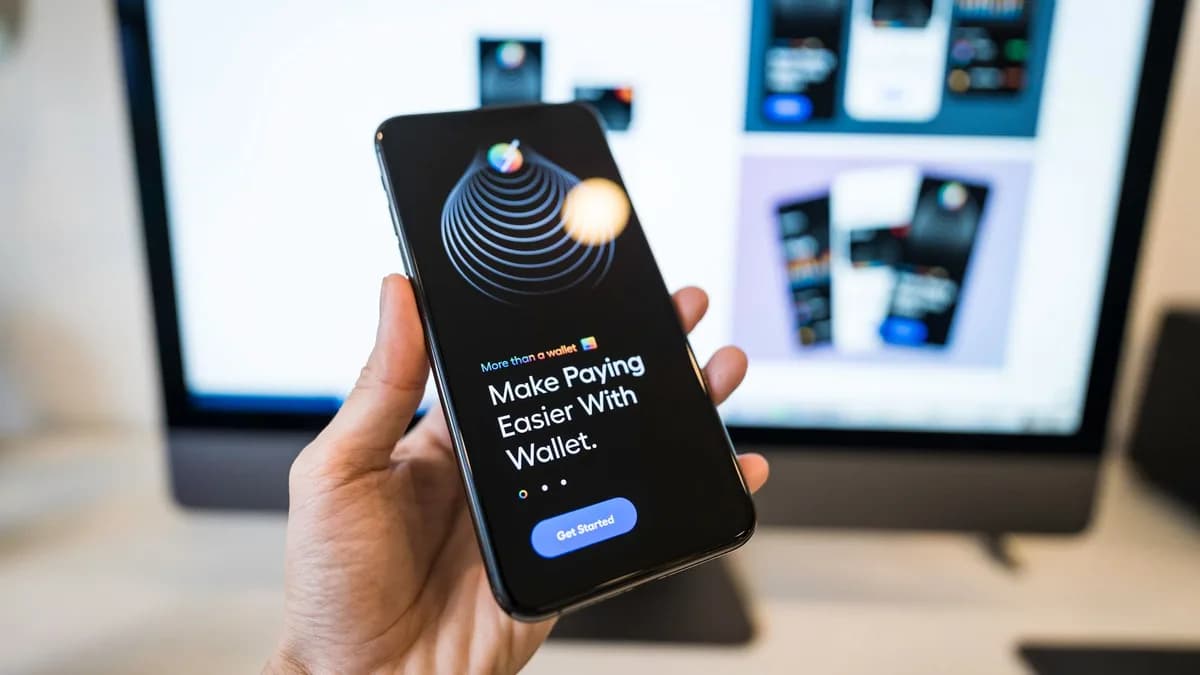
Supporting this, related research emphasized the "wallet effect." When digital currency access is presented through a familiar digital wallet interface, member interest spikes. This points to a critical nuance. The goal isn't necessarily for credit unions to custody crypto, but to orchestrate secure access to it within the environment members already trust.
This shifts the competitive threat into focus. The rivals aren't other credit unions. They are fintech platforms like Coinbase, Robinhood and Cash App. These entities face fewer legacy constraints and can move faster. Every day a credit union spends planning internal fraud controls is a day these apps deepen their relationships with the next generation of members. The report's warning is explicit: "That delay could become costly."
The path forward for credit unions is a hybrid one.
- Immediate Action: Deploy education and fraud prevention tools now, but couple them with clear signals about future intent and partnership plans.
- Strategic Pilots: Explore stablecoin-based settlement or B2B payments to build internal knowledge without consumer-facing risk.
- Interface Strategy: Prioritize digital wallet development and partnerships that can integrate third-party crypto services seamlessly. For members starting their journey, understanding the tool is key, as explored in our Beginner’s Guide to Choosing the Right DeFi Wallet.
- Reframe the Mission: View this not as adopting crypto, but as defending the member relationship in an asset-agnostic world.
The credit unions that navigate this will not have merely added a new product line. They will have proven their model can adapt to a digital-native era, turning a potential exodus into a deeper, more relevant form of community. Those that sit on the sidelines until the agenda catches up may find the meeting has adjourned, and the members have left the building.
Disclaimer: This XOOMAR analysis is for informational and educational purposes only. It is not financial, investment, legal, tax, or professional advice. It does not provide buy, sell, hold, price-target, portfolio, or personalized recommendations. Verify information independently and consult qualified professionals before making decisions.
Impact Analysis
- A generational divide risks alienating younger members who are already investing in crypto elsewhere.
- Credit unions may lose future mortgage and auto loan business if they don't adapt to their members' evolving financial habits.
- The trillion-dollar member-owned sector faces a trust crisis if it prioritizes internal security fears over servicing clear member needs.
Sources
Disclaimer: Content on XOOMAR is produced using AI-assisted research, drafting, and verification workflows and is intended for informational and educational purposes only. It does not constitute financial, investment, legal, tax, medical, or professional advice of any kind. All analysis reflects available information at the time of publication and may not be current. Verify information independently and consult qualified professionals before making decisions. Editorial policy

Written by
XOOMAR Insights Team
Research and Editorial Desk
The XOOMAR Insights Team pairs automated research with human editorial judgment. We track hundreds of sources across technology, fintech, trading, SaaS, and cybersecurity, cross-check the facts, and explain what happened, why it matters, and what to watch next. We do not just rewrite headlines. Every article is fact-checked and scored for reliability before it goes live, and we link back to the original sources so you can verify anything yourself.
Explore More Topics
Related Articles
 Fintech
Bitcoin Whales Quietly Hoard $1.5 Billion Amid Retail Panic
Bitcoin's largest holders are buying while small investors panic sell, accumulating $1.5 billion in BTC as wallets holding 10,000+ coins hit a six-month high.
Aug 11, 20264 min
 Fintech
CPI Print Holds Key to Crypto Rally or Ruin
Crypto's fate this week balances on a knife edge, with the July CPI report poised to dictate Fed policy and market risk appetite, while earnings reveal which co
Aug 10, 20266 min
 Fintech
$238 Million Loss Exposes Trump Media's Crypto Gamble
Trump Media & Technology Group's $238 million quarterly loss was overwhelmingly driven by nearly $200 million in crypto asset losses, exposing the company's tru
Aug 11, 20266 min
 Fintech
Russians Empty Shelves of Crypto Wallets Before Law Hits
Russian hardware wallet sales more than doubled as retail investors rush to secure their crypto assets before a new regulatory framework imposes strict limits a
Aug 8, 20267 min
 Fintech
Banks Revolt Against Regulator's Crypto 'Live Surveillance
Major US bank groups are fighting a new OCC rule demanding weekly, transactional-level reports on stablecoin activity, arguing the profound compliance burden co
Aug 12, 20266 min
 Technology
Open-Source Payment Processor Offers $190K to Crypto Attackers
BTCPay Server is offering a $190,000 bounty for the return of funds stolen from merchants after a credential leak exploited a Lightning node vulnerability.
Aug 13, 20265 min
 Trading
Hack the Bridge from Your Bank to Crypto
Our 2026 deep dive identifies the exchanges that offer the smoothest, cheapest, and fastest path from your traditional bank account to the blockchain, without t
Aug 13, 202610 min
 Trading
Crypto's Failed Breakout Leaves Bitcoin Trapped Below $65,000
A brief rally on hopes of Strait of Hormuz de-escalation evaporated overnight, leaving Bitcoin stuck and revealing crypto's inability to decouple from tradition
Aug 13, 20267 min
 Global Trends
Stolen Matisse Artworks Fester in São Paulo Suburb
A stash of stolen Matisse artworks recovered from a São Paulo suburb eight months after the theft illuminates the surprising illiquidity and logistical pitfalls
Aug 14, 20266 min
 Technology
Mac Users Buy Driverless Docks Against Apple's $150 Tax
A third-party driverless Mac dock uses USB4 to deliver perfect, lag-free dual displays for $150, making Apple's Thunderbolt premium look outdated.
Aug 14, 20266 min
Don't miss the signal
Get our weekly roundup of the stories that matter across tech, fintech, and trading. No noise, just signal.
Free forever. No spam. Unsubscribe anytime.