
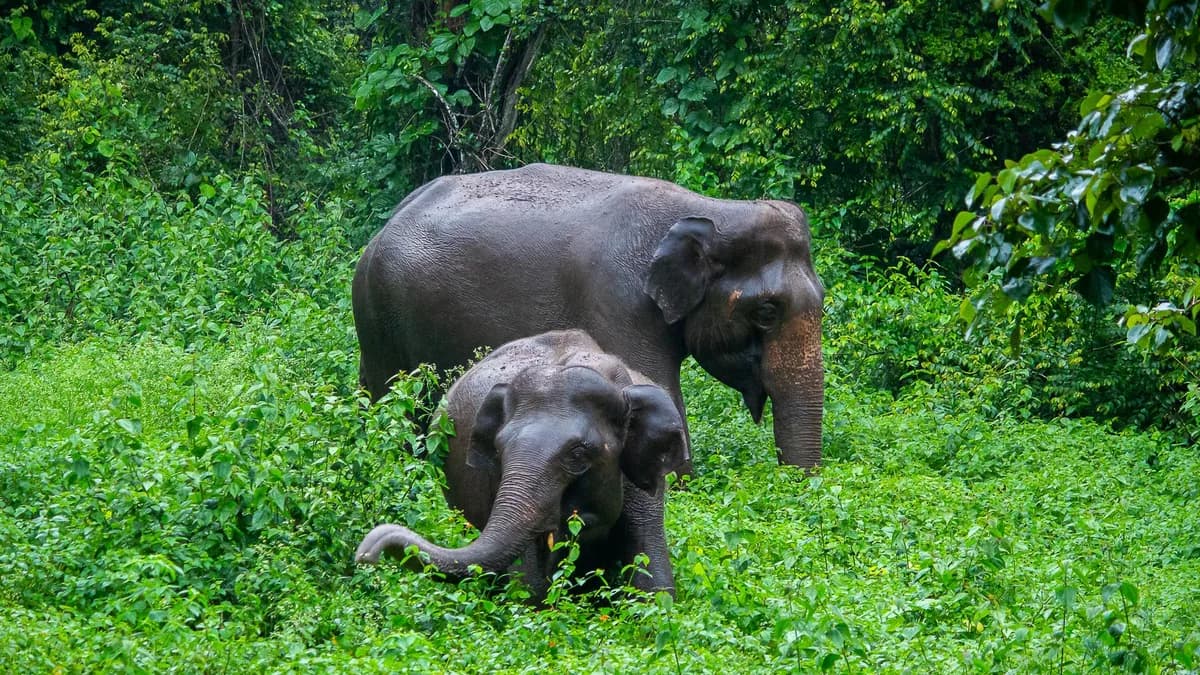
Traces of cyanide were found in the stomachs of 15 Kenyan elephants, but that discovery is opening more unsettling questions than it answers. According to a BBC World report, the Kenya Wildlife Service (KWS) is investigating these deaths, which happened between 24 June and 24 July 2026 outside Amboseli National Park. While pesticides are the initial suspect, a chorus of experts doubts that a few contaminated tomatoes could be the simple cause of a mass mortality event. This story is less about a single toxin and more about a system under extreme, hidden stress.
Global TrendsAugust 5, 2026· 7 min read· By XOOMAR Insights Team
Fifteen Elephants Die From Pesticide Cyanide Mystery
Updated on August 5, 2026
XOOMAR Intelligence
Analyst Take
57/ 100
4 sources analyzedLow confidenceTrend10Freshness95Source Trust92Factual Grounding90Signal Cluster20
Fifteen Carcasses and a Glaring Knowledge Gap
The facts are stark. Over one month, 15 elephants, ranging from calves to adults, died in the Kimana corridor, a vital pathway connecting Amboseli and Tsavo National Parks. The Kenya Wildlife Service found signs of "partial paralysis" and, crucially, traces of cyanide in samples. This triggered an immediate focus on pesticides. The region is a major tomato-growing hub, and a 2024 report cited a local farmer using an insecticide with a cyanide compound. Dr. Isaac Lekolool, KWS's chief vet, calls this a "working theory."
"It's difficult to tell because we've not seen these kind of cases before," Lekolool told the BBC. "It is almost like a one-off, and it was within a period of about a month."
But "one-off" doesn't satisfy the scientists who know this ecosystem. Conservationist Paula Kahumbu, with three decades of elephant experience, states the counterpoint bluntly: "We haven't got enough detailed information to have confidence in this claim that it's due to pesticides in crops." She points to a basic question of scale: "Those elephants have to eat a huge amount to kill them." The official findings offer a correlation—cyanide is present—but not a verified cause of death for an animal weighing several tons.
The Pesticide Narrative vs. Unanswered Behavioral Clues
When you test the pesticide theory against observed elephant behavior, the gaps widen. Experts note two critical anomalies:
- Demographics: In typical crop-raiding scenarios, it's often risk-taking adult males that venture onto farms. Yet of the 15 dead, only one was an adult male. This pattern suggests something other than opportunistic feeding in a tomato field.
- Selective Mortality: The poison, if consumed from crops or sprayed foliage, should affect any animal grazing in the same area. Landowner representative Daniel Nina asks the obvious question: "How does cyanide kill the elephants and leave behind the zebras, antelopes and wildebeests, which are eating the grass together?" It's a point worth highlighting. Past poisonings in the area have hit zebra and antelope populations, not pachyderms.
This leaves a forensic mystery. If not from raiding a specific, heavily treated farm, how did that many elephants ingest cyanide? Could it be a contaminated, isolated water source? Was it deliberate poisoning with a different intent? The KWS isn't ruling that out, but evidence is absent.
Immediate Questions the Data Doesn't Answer:
- Dosage: Was the cyanide level in the stomachs sufficient to be lethal?
- Source Material: What exact plant matter or water was the cyanide bound to?
- Pathogen Screen: Were tests for novel pathogens or diseases conducted and ruled out?
The official stance feels less like a conclusion and more like the first, most accessible clue found in a much more complex case.
Land Use is the Real Elephant in the Room
While authorities hunt for a toxicological culprit, conservation leaders point to a slower, more systemic pressure. Frank Pope, CEO of Save the Elephants, frames it directly: "The pressure on Amboseli's elephants isn't ivory anymore. It's land use." The farms implicated in this case exist precisely because they are on prime land—fertile, well-watered soil fed by streams from Mount Kilimanjaro. This is also the exact terrain elephants use as migratory corridors.
The result is an inevitable, grinding conflict. Farmer Stephen Michael describes losing cabbages worth almost $1,535 in a single raid, not counting his tomatoes. "I might start crying if I count that," he told the BBC. For a smallholder, that's catastrophic. As farms and lodges expand, the corridor narrows. Every successful harvest on that land is a barrier erected against an ancient elephant path. This creates the tinderbox of resentment and desperation where a poisoning incident—whether accidental or deliberate—becomes more likely. As we reported in 15 Amboseli Elephant Deaths Force Kenya Wildlife Probe, these deaths are a shocking anomaly in an area where poaching has been largely controlled, pointing the finger toward newer, more complex threats.
| Past Conflict Pattern | This Incident's Anomaly |
|---|---|
| Targeted: Single "problem" elephants raiding farms. | Diffuse: 15 elephants of varying ages/sexes. |
| Retaliatory: Clear farmer motivation to protect crops. | Motivation Unknown: No clear link to a specific farm raid. |
| Predictable Geography: Conflict at farm boundaries. | Mysterious Spread: Carcasses found across a wide area (15-30km from park). |
The Stakes Extend Far Beyond 15 Animals
A cluster of unexplained elephant deaths in a flagship Kenyan park isn't just an ecological loss; it's a threat to an entire economic and conservation model. Amboseli's elephants are a cornerstone of Kenya's tourism brand. Mystery and danger surrounding them could deter visitors, affecting a revenue chain from high-end lodges to local guides. Furthermore, it undermines decades of work by groups like the Big Life Foundation, which has built community-centered conservation in the region. As their CEO noted, such a cluster of deaths is highly unusual outside of severe drought periods.
There's also a dangerous precedent. If ambiguous evidence points to pesticides, it could spark a regulatory crackdown on farmers who are already economically vulnerable. Conversely, if it's swept under the rug as an unexplained event, it leaves both elephants and people at continued, unknown risk. The lack of a clear answer paralyzes effective policy.
Cyanide Traces Are a Starting Line, Not a Finish Line
Where does this investigation go from here? The next steps will reveal much about Kenya's capacity to handle 21st-century conservation challenges, which mix crime scene forensics, community relations, and ecological science.
1. A Deeper Forensic Timeline: Authorities must move past stomach contents and map the exact locations and times of death. Did all elephants die in the same week in one area, or was it scattered over the month? This could distinguish a point-source event (like one bad waterhole) from a wider, ongoing exposure.
2. Source Tracing and Border Politics: The cyanide compound in question is reportedly smuggled from Tanzania, highlighting a regional enforcement failure. Wangunyu Njuguna of the Route to Food Initiative noted the core issue: "There is no-one checking what I go and buy across the border." A serious investigation would track the specific chemical's path to a specific farm or supplier, a task requiring cross-border cooperation.
3. Addressing the Incentive, Not Just the Tool: Even if this incident proves accidental, the underlying conflict guarantees future risks. Preventing the next crisis requires solutions that reduce the farmer's desperation. Could swift compensation schemes for crop damage, managed by conservation groups, remove the perceived need for extreme pest control? Are there more effective, physical barriers for high-value farms?
The Amboseli elephant deaths present a stark choice. The easy path is to accept the pesticide theory, issue warnings, and close the case. The hard path—the necessary one—is to treat these 15 carcasses as symptoms of a fractured landscape. It demands an investigation that looks not just at what killed the elephants, but at the unsustainable pressures squeezing life out of the corridor they called home. Until that happens, the fear, as the BBC report concludes, is that "the remaining elephants and the people who live near them could still be at risk." The response to this crisis will be a case study in whether conservation can evolve faster than the conflicts that threaten it.
Impact Analysis
- Mass elephant deaths disrupt crucial migration routes between Amboseli and Tsavo National Parks, threatening population connectivity.
- Uncertainty around the true cause—whether pesticides or a broader systemic issue—hampers effective conservation and policy responses.
- The incident reveals critical gaps in wildlife forensic science and monitoring in key African ecosystems, with implications for other species.
Sources

Written by
XOOMAR Insights Team
Research and Editorial Desk
The XOOMAR Insights Team pairs automated research with human editorial judgment. We track hundreds of sources across technology, fintech, trading, SaaS, and cybersecurity, cross-check the facts, and explain what happened, why it matters, and what to watch next. We do not just rewrite headlines. Every article is fact-checked and scored for reliability before it goes live, and we link back to the original sources so you can verify anything yourself.
Explore More Topics
Related Articles
 Global Trends
15 Amboseli Elephant Deaths Force Kenya Wildlife Probe
Fifteen elephants died near Amboseli in a month, forcing Kenya to hunt for disease, poisoning or another hidden cause.
Aug 1, 20268 min
 Global Trends
Grandmother's FGM Betrayal Forces Colombia Landmark Ban
A mother's fight for justice after her own grandmother subjected her baby to female genital mutilation led directly to Colombia passing a major new law banning
Aug 5, 20267 min
 Technology
Pinterest's AI Rewire Rakes in Record Revenue
Pinterest's strategy of using cost-effective, open-source AI models to monetize non-branded searches has powered record user and revenue growth for the platform
Aug 5, 20266 min
 Technology
Samsung's $200 Zoom Gamble Leaves Camera Test Undecided
The Galaxy Z Fold 8 Ultra's telephoto lens offers superior zoom, but tests find its advantage inconsistent and often not decisive enough to justify a $200 price
Aug 5, 20269 min
 Technology
OpenAI Pays $3.2 Million in Worker Visa Bias Settlement
OpenAI paid $3.2 million to settle federal claims it systematically favored foreign visa workers over US applicants by making jobs nearly impossible for America
Aug 5, 20267 min
 Global Trends
Russian Ballistic Missile Pierces Kyiv Air Defenses
A Russian ballistic missile strike on Kyiv killed one person and wounded at least a dozen, exposing a critical escalation as these harder-to-intercept weapons t
Aug 5, 20265 min
 Fintech
LoanDepot Cuts Losses 88% With Higher-Margin Home Equity Loans
LoanDepot slashed its quarterly net losses by 88%, driven by a strategic surge into high-margin digital home equity lending that boosted revenues and profits.
Aug 5, 20265 min
 Global Trends
Trump's D.C. Guard Costs Taxpayers Another $1.4 Billion
The cost to keep the National Guard deployed in Washington, D.C. through 2029 has surged by $1.4 billion, sparking debate over the price of permanent military u
Aug 5, 20267 min
 Trading
Yen's Fragile Rally Tests Tokyo's Intervention Red Line
The yen's gain from upbeat wage data is a technical flicker, not a trend reversal. It's testing key levels that could trigger official intervention from Tokyo.
Aug 5, 20267 min
 Global Trends
U.S. Revokes Brazil Envoy’s Visa Over Election Fight
The Trump administration revoked the Brazilian ambassador's diplomatic visa in a sharp retaliatory move, escalating a clash over a stalled U.S. envoy appointmen
Aug 5, 20266 min
Don't miss the signal
Get our weekly roundup of the stories that matter across tech, fintech, and trading. No noise, just signal.
Free forever. No spam. Unsubscribe anytime.