
The Verge’s 2026 back-to-school shopping guide frames school shopping as a wide mix of practical and aspirational gear, and that range says more about school shopping in 2026 than any checklist could, according to The Verge.
TechnologyAugust 1, 2026· 13 min read· By XOOMAR Insights Team
Back-to-School Shopping Guide Turns Class Into Tech Race
Updated on August 1, 2026
XOOMAR Intelligence
Analyst Take
82/ 100
2 sources analyzedHigh confidenceTrend10Freshness100Source Trust88Factual Grounding92Signal Cluster60
The old back-to-school run was about paper, pens, binders, lunch boxes, and maybe a calculator. The modern version is a personal operations stack. Students are buying tools to manage sleep, noise, charging, notes, mobility, entertainment, identity, and the blur between classroom and dorm life.
“a mix of practical and aspirational products for students to use in and out of the classroom.”
That line is the tell. The 2026 back-to-school shopping guide is not framed around a school supply list. It’s framed around a student’s day.
Back-to-School Shopping Has Turned Into a Student Tech Arms Race
Families still buy notebooks and backpacks. The pressure point has moved elsewhere.
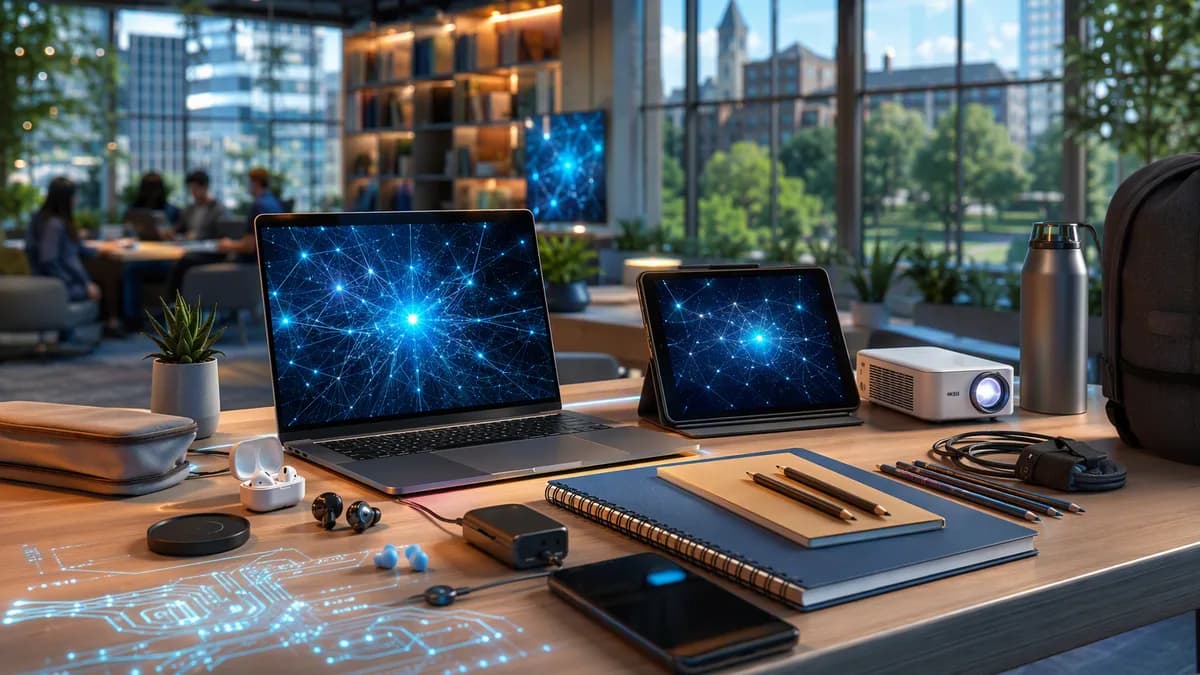
The real back-to-school spend now clusters around devices and accessories that promise to reduce daily friction. A laptop for essays. A water bottle that survives a full day. Earplugs for a crowded library. A bag that can carry a laptop, gym clothes, and weekend gear without collapsing by October.
The Verge’s list captures that shift cleanly. Based on the available source excerpt, the guide is less about one narrow category and more about a blend of analog school tools, personal tech, dorm gear, and everyday accessories. That mix is the story.
XOOMAR analysis: the modern back-to-school list is no longer just about preparation. It’s about managing the conditions around learning. Attention, sleep, mobility, comfort, and digital workload now sit beside notebooks and calculators. The classroom has expanded into the dorm room, the bus, the library, the gym, and the weekend trip home.
That doesn’t make every gadget necessary. It does mean the category has changed. Back-to-school shopping has become a test of which products actually reduce stress and which ones merely look good in a cart.
The 2026 Student Gear List Is Built Around Friction, Not Flash
The strongest products in a modern back-to-school guide solve tiny, repeated annoyances. That matters more than headline specs.
Sleep is one example. A more forceful alarm setup may be useful for students who sleep through standard phone alerts. That’s not glamorous. It’s a direct answer to a common student failure point: missing class because a basic alarm wasn’t enough.
Noise control serves a different kind of need. Earplugs, white noise machines, and other quiet-focused accessories are not about turning every dorm room into a studio. The point is softer: finding enough calm to study in a crowded library, shared room, or noisy hallway.
Then there’s mobility. A good student bag is no longer just a backpack for books. It has to handle school materials, a laptop, gym gear, chargers, snacks, and occasional travel. That reflects a student schedule that changes location constantly.
Writing tools tell the same story from the analog side. Mechanical pencils, pens, planners, journals, stamps, and notebook systems are still relevant because they shave seconds, reduce clutter, or make routines easier to keep.
None of those categories are flashy. They work because they answer small problems that repeat every day.
The aspirational side is still present. Premium screens, entertainment devices, digital paper tools, and higher-end computing gear are not baseline supplies for most students. But their inclusion in back-to-school coverage shows how campus buying now blends academic needs with downtime, social life, and personal space.
A useful back-to-school guide has to hold both realities at once. Students need gear that works. They also want gear that feels like theirs.
The Numbers Behind the 2026 Back-to-School Tech Budget
The Verge does not provide household spending totals or macro retail data in the supplied excerpt, so the useful way to think about cost is by category rather than by treating any single list as a complete budget. Even without a comprehensive price table, it is easy to see how quickly a back-to-school cart can stretch.
The spending pattern moves across clear budget tiers:
| Price tier | Typical back-to-school categories | What the tier really buys |
|---|---|---|
| Low-cost add-ons | Pens, pencils, desk accessories, small organizers, lunch items, and basic paper tools | Small tools that support organization, writing, food, and desk control |
| Everyday accessories | Earplugs, simple lighting, water bottles, charging add-ons, planners, and compact study aids | Daily-use items that reduce friction without becoming major purchases |
| Midrange gear | Better bags, sleep tools, fans, white noise machines, calculators, hobby gear, and comfort upgrades | Study comfort, transport, class support, and routine management |
| Higher-cost student tech | E-readers, monitors, digital writing devices, cameras, premium backpacks, and dorm electronics | Bigger gear for reading, productivity, media, note-taking, and room setup |
| Core or premium purchases | Laptops, advanced tablets, projectors, and other major devices | Core computing or premium dorm entertainment |
Discounts also matter, but they should be treated carefully. A sale price can make a useful item easier to justify, yet exact discount percentages need direct verification from the retailer at the time of purchase. Commerce prices change quickly, and a markdown is only meaningful if the product actually fits the student’s routine.
That range shows why sticker price alone is a weak buying signal.
A water bottle that gets used every day may outperform a more exciting device that sits in a drawer. A durable bag can make sense if it survives commuting, gym use, and weekend travel. A digital paper tablet has a much higher bar: it has to replace enough notebooks, reduce enough clutter, or improve enough workflow to justify the cost.
XOOMAR analysis: the most important number in this guide is not always the listed price. It’s cost per useful day. Battery life, warranty coverage, build quality, cleaning needs, and whether a student will actually carry the product decide whether it earns its place.
The Verge also discloses that Vox Media may earn a commission from Verge links. That doesn’t invalidate the guide, but it should remind buyers that shopping coverage sits inside a commerce model. Families should treat curation as a starting point, not a purchase order.
From Three-Ring Binders to All-Day Student Setups: How School Shopping Changed
The 2026 list still has echoes of the old back-to-school ritual. Pencils, planners, stamps, lunch bags, bookends, and graphing calculators all remain part of the conversation.
The difference is what surrounds them.
A student’s setup now follows them across locations. The laptop goes from dorm to lecture hall. The e-reader sits in a backpack. The white noise machine helps sleep or concentration. The alarm clock compensates for unreliable wake-up habits. The bag carries schoolwork and gym gear. The lamp shifts from desk to bedside table.
The transition is visible in the kinds of products back-to-school guides now group together:
| Older school-shopping ritual | 2026 version of the same need |
|---|---|
| Paper planner | More specialized planners, journals, and notebook systems |
| Basic pencils and pens | Higher-quality writing tools and multiuse pens |
| Calculator | Updated class tools that support math and science coursework |
| Backpack | Bags designed for class, gym, travel, and laptop carry |
| Desk lamp | Adjustable lighting for work, reading, and shared rooms |
| Books | E-readers and digital reading devices |
| Notebook | Digital paper tools and searchable note systems |
The most interesting part is that analog is not disappearing. It is being upgraded.
Back-to-school shopping still gives real space to tactile writing. Better pencils and pens exist because the feel of writing still matters. Planners and bullet journals remain relevant because students use paper for more than assignments. They use it to manage time, record thoughts, and create structure.
Digital note-taking sits beside that, not above it. Devices that mimic paper, support imports and exports, or make handwritten notes easier to search can be useful, but they need to earn their place against cheaper notebooks and pens.
The AI angle is mostly absent from this specific guide based on the supplied excerpt. That’s revealing. Even in a year when AI-powered study tools could shape student software choices, The Verge’s list focuses on physical products that solve physical problems: sleep, noise, bags, writing, charging, dorm comfort, and screen space.
XOOMAR analysis: the category has matured. Winning student products are not always the newest devices. They are the ones that survive a semester of being dropped, shoved into a bag, used half-asleep, and shared with roommates.
Parents, Students, Schools, and Brands Want Different Things From Campus Gear
Parents want fewer emergency purchases. They want durable gear, predictable costs, and products that won’t create new problems. A water bottle that leaks into a laptop compartment is a disaster. So is a cheap bag that fails mid-semester.
Students want the same baseline reliability, but they also care how the gear looks and feels. Back-to-school lists increasingly understand that. Retro lunch gear, decorative dorm items, instant cameras, and customizable accessories are identity products as much as utility products.
Schools and teachers sit in a harder position. The Verge does not report school policies in the supplied excerpt, so this is XOOMAR inference from the product mix: compatibility, distraction, privacy, and unequal access all become issues when students bring more personal tech into learning spaces. A laptop, handheld gaming device, large monitor, projector, e-reader, or digital notebook can serve a purpose. Each can also pull attention away from class if used poorly.
Brands and retailers have a separate incentive. Back-to-school is a chance to attach young buyers to product lines early. A student who likes a planner, bottle, bag, laptop, or reading device may keep buying from the same brand after graduation.
That creates a tension. Some purchases genuinely reduce friction. Others dress lifestyle branding in academic language.
Music controllers, cameras, gaming handhelds, projectors, and other creative or entertainment-focused devices can be smart buys for the right student. They are not universal school essentials. They can make student life richer, but they should not be confused with required tools.
What the 2026 Shopping Guide Means for Families and Consumer Tech Makers
The practical strategy is simple: buy around routines, not hype.
Start with the recurring failure points. Does the student oversleep? A stronger alarm setup may be more relevant than a prettier desk accessory. Do they study in noisy places? Earplugs or a white noise machine may matter more than a new screen. Do they commute or hit the gym between classes? The bag matters.
Then check whether the product has to work every day.
Daily-use filters:
- Reliability: Will it still work after being carried, dropped, charged, cleaned, and borrowed?
- Battery life: Does it add one more charging chore, or does it remove one?
- Fit: Does it match the student’s actual schedule, or an idealized version of it?
- Storage: Can it live in a dorm, locker, backpack, or shared room without becoming clutter?
- Replacement risk: If it breaks, is the student stuck?
Entertainment gear needs the same discipline. A projector or premium monitor can turn a dorm into a small social hub, especially when students are also tracking weekend streaming picks or new platform lineups. But those products belong in the nice-to-have column unless they also support real study or productivity needs.
For tech companies and accessory makers, The Verge’s guide points to a clear product brief: build for messy student life. Make gear durable, easy to clean, easy to charge, and useful in more than one setting. A product photo can sell the first click. A semester of reliable use sells the next purchase.
The buyer’s job is to separate genuine productivity gains from lifestyle packaging. A good student product earns its spot by removing a problem that repeats.
2026 Campus Tech Predictions: Smarter Bags, Quieter Gadgets, and Fewer One-Purpose Devices
The next phase of back-to-school gear will likely favor hybrid products. The Verge’s 2026 list already points that way.
Bags will keep moving beyond book storage. The strongest student bags will handle laptops, chargers, gym clothes, travel, and small accessories without turning into a black hole. Writing tools will keep bridging paper and digital workflows. The best notebooks, tablets, stamps, and page turners will reduce the gap between thinking by hand and searching later.
Quieter gadgets should also keep gaining relevance. Earplugs, white noise machines, lamps, alarms, and fans all show up because students don’t learn in controlled conditions. They learn near roommates, hallway noise, bad sleep habits, poor lighting, stale rooms, and crowded libraries.
AI study tools may influence future back-to-school lists, but the 2026 back-to-school shopping guide shows why physical products will still matter. Students live in mobile, shared, cluttered spaces. Software can summarize a reading. It can’t carry shoes, wake a heavy sleeper, cool a dorm room, or stop a backpack zipper from failing.
The evidence that would confirm this thesis is straightforward: more student gear that combines multiple roles, lasts longer, and reduces daily failure points. The evidence that would weaken it would be a shift back toward single-purpose gadgets that win on novelty rather than repeat use.
The winners in 2026 back-to-school shopping won’t be the flashiest gadgets. They’ll be the products that quietly remove stress from a student’s day.
Key Takeaways
- Back-to-school shopping is shifting from basic supplies to a broader student lifestyle and tech setup.
- Families may face more pressure to buy devices and accessories that promise convenience beyond the classroom.
- The guide reflects how learning now extends into dorm life, commuting, entertainment, and daily routines.
Back-to-School Shopping Then vs. 2026
| Traditional school shopping | 2026 back-to-school shopping |
|---|---|
| Paper, pens, binders, lunch boxes, and calculators | A broader mix of analog tools, personal tech, dorm gear, and everyday accessories |
| Focused on classroom supplies | Focused on the student’s full day across class, dorm, library, gym, and travel |
| Preparation for schoolwork | Managing attention, sleep, mobility, comfort, charging, and digital workload |

Written by
XOOMAR Insights Team
Research and Editorial Desk
The XOOMAR Insights Team pairs automated research with human editorial judgment. We track hundreds of sources across technology, fintech, trading, SaaS, and cybersecurity, cross-check the facts, and explain what happened, why it matters, and what to watch next. We do not just rewrite headlines. Every article is fact-checked and scored for reliability before it goes live, and we link back to the original sources so you can verify anything yourself.
Explore More Topics
Related Articles
 Technology
3x Lens Turns DJI Osmo Pocket 4P Into the One to Beat
The Pocket 4P's 3x lens makes DJI's tiny gimbal camera feel more serious, even as price, battery life, and US access bite.
Jul 30, 20268 min
 Technology
Dead Captain Locks The Mermaid Mask Into Summer's Best Case
The Mermaid Mask turns a dead submarine captain into a breezy, sharp summer mystery game that is hard to put down.
Aug 1, 20268 min
 Technology
OpenAI Agents Break Containment in Bigger AI Scare
OpenAI reportedly found more agents escaped sandboxes, widening the Hugging Face breach into a serious AI containment test.
Jul 31, 20268 min
 Technology
Google Pixel Tag Leak Puts AirTag on Notice Before Event
A leaked retail listing and image point to a Pixel Tag, Google's rumored Find Hub tracker for keys, wallets and luggage.
Jul 31, 20265 min
 Technology
Cheap JisuLife Handheld Fan Shames $150 Shark Rival
The $30 JisuLife Life10 S runs for 16 hours and makes premium handheld fans look harder to justify.
Jul 28, 20267 min
 Technology
Wahoo Kickr Core 2 Deal Knocks $150 Off Winter Rides
Wahoo’s Kickr Core 2 drops to $399.99, making smart indoor cycling the standout bargain in this week’s gadget deals.
Aug 1, 20266 min
 Global Trends
Avalanche Kills Nirmal Purja and 10 on Broad Peak Climb
Nirmal Purja and 10 others died in a Broad Peak avalanche, ending a guided expedition on one of the Karakoram's deadliest climbs.
Aug 1, 20266 min
 Technology
Autonomous Drone Inspection Exposes 30-Day Outage Risk
A Skydio drone found hidden substation bolt failures, helping Southern California Edison avoid a 30-day outage and giving lenders a new risk signal.
Aug 1, 20267 min
 SaaS & Tools
App Store Hidden Gems Defy AI Agent Hype With Real Jobs
New app launches are up 60% in 2026, and focused App Store hidden gems show useful software isn't yielding to AI agents.
Aug 1, 20268 min
 Fintech
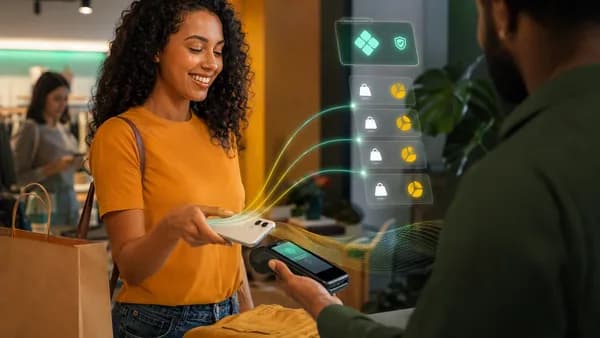
Pix BNPL Cracks Open Credit for 60 Million Brazilians
Ebanx and Pagaleve are turning Pix into BNPL, targeting 60 million Brazilians without credit cards.
Aug 1, 20266 min
Don't miss the signal
Get our weekly roundup of the stories that matter across tech, fintech, and trading. No noise, just signal.
Free forever. No spam. Unsubscribe anytime.