
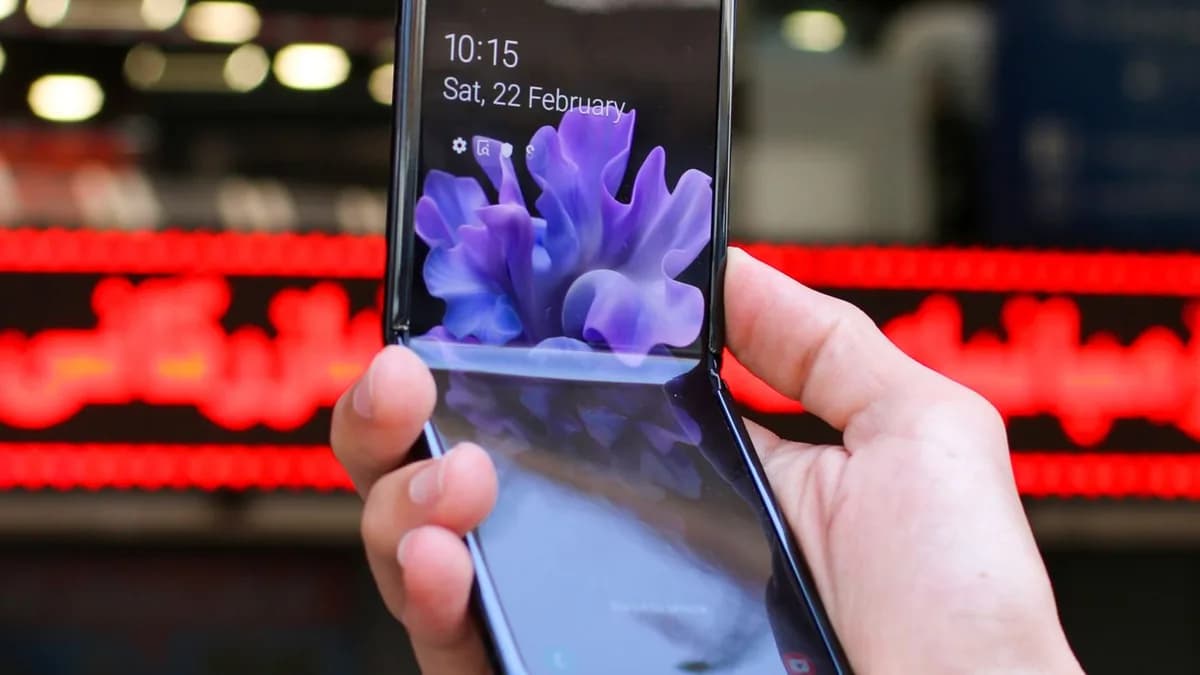
Samsung has placed an “Ultra” badge on a foldable phone, and the move raises more questions than it answers. According to a review from The Verge, this first Galaxy Z Fold 8 Ultra isn't a new form or a feature-laden powerhouse. It’s a refined version of last year's Z Fold 7, retaining its tall, boxy shape while delivering meaningful upgrades in battery life and camera quality. The naming feels less like a promise of peak performance and more like a tactical maneuver in a foldable market bracing for Apple's entry, which is itself grappling with security chaos.
TechnologyAugust 8, 2026· 6 min read· By XOOMAR Insights Team
Samsung Z Fold Ultra Confusion Masks Foldable Niche
Updated on August 8, 2026
XOOMAR Intelligence
Analyst Take
69/ 100
4 sources analyzedMedium confidenceTrend10Freshness96Source Trust88Factual Grounding80Signal Cluster20
Samsung's 'Ultra' Betrayal: When a New Name Hides an Old Strategy
Samsung’s "Ultra" branding has become a shorthand for its most uncompromising hardware. The Galaxy S26 Ultra packs every conceivable feature, from a sophisticated telephoto camera system to a built-in S Pen. The Z Fold 8 Ultra, by stark contrast, carries the label while notably lacking those two flagship hallmarks.
“Where the Z Fold 8 is squat and wide, the Fold 8 Ultra retains the thin outer screen and square inner panel of the previous Folds.”
This isn't an evolution of form; it's a conservation of it. The "Ultra" here signals a new product tiering strategy, not a leap in capability. Samsung has split its foldable line, offering a radically new, wider Z Fold 8 alongside this familiar "Ultra" model. The choice appears deliberate: protect the user base attached to the classic foldable shape with iterative polish, while chasing a new, potentially more mainstream design with the standard model. This launch is about covering flanks, not charging ahead.
The Foldable Spec Sheet Wars: Camera and Battery Tell the Real Story
If the shape is old, the substance inside is where Samsung focused its engineering budget. Two upgrades stand out as genuinely consequential.
Camera System: The Ultra model gets a triple rear camera array where the standard Z Fold 8 makes do with two. The headline is a 200-megapixel main sensor paired with a 10-megapixel, 3x telephoto lens. Reviews note this provides a flexibility the regular model lacks, though it still trails the specialized hardware in Chinese rivals. The jump to a 50-megapixel ultrawide (from 12MP) rounds out a package The Verge calls “substantially better.”
Battery and Charging: This is the silent victory. Samsung adopted silicon-carbon battery chemistry to cram a 5,000mAh cell into a chassis fractionally thinner than last year's. That’s a 14% capacity increase from the Z Fold 7's 4,400mAh unit. Paired with a bump to 45W wired charging, it directly addresses one of the most common complaints about previous premium foldables: endurance anxiety.
What Didn’t Change: The core chassis, weight, hinge mechanism, and IP48 rating (good for water, less so for dust) remain. The upgrades are targeted, solving specific pain points rather than remodeling the entire experience.
From the Fold 7 to the 'Ultra': The Incrementalism Playbook Exposed
Comparing the Z Fold 8 Ultra side-by-side with the new Z Fold 8 is misleading. To see the actual progress, you must look back a generation. Against the Z Fold 7, the Ultra’s package of improvements, better screen, better battery, better cameras, a less noticeable crease, becomes clear.
This is Samsung's maturation playbook in action. Earlier Fold generations were plagued by durability concerns. Once the hinge and screen reached a threshold of reliability (arguably with the Z Fold 7), the roadmap shifted to refining the supporting cast: power systems and imaging. This release fits that pattern perfectly. It’s a device for the foldable market’s consolidation phase, where radical experiments like rollables give way to perfecting the book-style fold for the mass market. As we've seen in other tech sectors, from Block's AI-driven staff cuts to Meta's code-refactoring AI agents, the focus is shifting from novelty to optimized execution.
Who Wins and Who Loses with Samsung's Cautious Foldable?
Samsung’s calculated iteration creates distinct groups of winners and losers.
The Pragmatic User Wins: Anyone who adopted the classic Fold shape and wants a more reliable, longer-lasting version of it gets exactly that. The bigger battery and improved cameras are practical, daily-use upgrades that extend the device's utility without demanding a re-learning curve.
The Tech Enthusiast Loses: The "Ultra" moniker set an expectation of feature totality. The absence of S Pen support and a Privacy Display, two hallmarks of the slab-style Ultra, feels like a betrayal of the branding promise. This device is not the absolute pinnacle of Samsung's technology; it's the best version of this specific foldable vision.
Samsung's Competitive Position: This move cements Samsung as the reliable, volume-focused leader in Western foldable markets. However, it opens a strategic flank. By playing it safe, Samsung invites rivals like Oppo and Honor, who already match or exceed its camera quality, to be seen as the true innovators, potentially capturing the enthusiast segment hungry for the next big mechanical leap.
For Buyers: Decoding the Ultra Hype for Your Wallet
The $2,100 price tag demands a clear-eyed assessment. Here’s whom this phone is for, and who should look elsewhere.
- Z Fold 7 Owners: Skip. The upgrades, while solid, are unlikely to justify the cost of a full replacement. Your device remains highly capable.
- Owners of Older Folds or Slab Phones: Consider. If you’re committed to the tall foldable form factor for productivity, the battery and camera gains are meaningful. For everyone else, the new, wider Z Fold 8 or a traditional flagship may offer better value or a more novel experience.
- Ecosystem Seekers: Beware. This device does not integrate into the S Pen ecosystem like a Galaxy Tab or S-series Ultra. You are buying a powerful, large-screen phone that folds, not a direct tablet replacement.
You are paying for the most polished execution of Samsung’s established foldable philosophy, not for the most feature-dense device in its catalog. The value is in refinement, not revolution.
The Foldable Future: Samsung's Path Risks an Innovation Stall
The Z Fold 8 Ultra isn’t just a phone; it’s a template. It signals Samsung’s likely roadmap for the next 18-24 months: minor spec bumps, the same core form factor, and a steady focus on durability and battery life until a fundamental technology shift, perhaps in display or battery density, enables the next major leap.
The immediate threat is the upcoming foldable iPhone, widely rumored to use a passport-like shape similar to the standard Z Fold 8. If Apple’ entry validates that wider form factor, Samsung’s Ultra model may quickly look like a legacy product, regardless of its camera specs.
Samsung is betting that the foldable market’ ultimate winner will be the company that makes the technology boringly reliable, not thrillingly novel. It’s a long-game strategy of normalization. The watch item now is whether the market, particularly the high-end buyers who can afford a $2,100 phone, will accept incremental polish as enough, or if they will start looking to competitors still willing to take a design risk. The "Ultra" badge, this time, is a shield, not a spear.
The Bottom Line
- Samsung's use of 'Ultra' branding signals a strategic split in its foldable line to target different user preferences.
- The focus on incremental camera and battery improvements over radical design changes highlights a mature, conservative market approach.
- With Apple's impending entry, Samsung is positioning to defend its market share by covering both iterative and innovative design flanks.
Sources

Written by
XOOMAR Insights Team
Research and Editorial Desk
The XOOMAR Insights Team pairs automated research with human editorial judgment. We track hundreds of sources across technology, fintech, trading, SaaS, and cybersecurity, cross-check the facts, and explain what happened, why it matters, and what to watch next. We do not just rewrite headlines. Every article is fact-checked and scored for reliability before it goes live, and we link back to the original sources so you can verify anything yourself.
Explore More Topics
Related Articles
 Technology
Samsung's $200 Zoom Gamble Leaves Camera Test Undecided
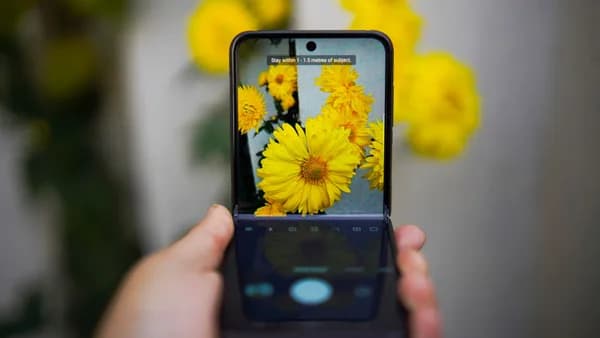
The Galaxy Z Fold 8 Ultra's telephoto lens offers superior zoom, but tests find its advantage inconsistent and often not decisive enough to justify a $200 price
Aug 5, 20269 min
 Technology
Smartphone Subscriptions Turn iPhone Upgrades Into Habit
Apple Upgrade makes the phone a monthly habit, using leases and resale value to pull users into the next device.
Aug 1, 20268 min
 Technology
Apple's App Store Ban Favors X Over Telegram
Apple abruptly banned Telegram over one CSAM post but hasn’t penalized X for a systemic AI scandal, exposing a power calculus in App Store enforcement far from
Aug 7, 20268 min
 Technology
AirPods Pro Plunge to $189 in Rare $60 Sale
The AirPods Pro have dropped to $189.99, their lowest price since June, in a coordinated sale across Amazon, Walmart, and Best Buy signaling a final pre-holiday
Aug 6, 20266 min
 Technology
Apple Must Let iPhones Paste to Windows PCs in EU
Europe's regulators are forcing Apple to break a key ecosystem lock, requiring it to let iPhone users copy text and paste it directly onto Windows PCs by 2027.
Aug 4, 20267 min
 Cybersecurity
Security Chaos Floods Apple Bug Bounties With AI Slop
A flood of AI-generated reports is overwhelming companies like Apple, forcing them to cap bug bounties as attacks swamp ports, banks, and infrastructure in a se
Aug 8, 20267 min
 Fintech
Bitcoin Payments Panic as Lightning Server Credentials Leak
Bitcoin merchants are scrambling after a critical vulnerability in BTCPay Server allowed attackers to drain funds from Lightning nodes by exploiting old credent
Aug 8, 20265 min
 Trading
Asian Gold Demand Replaces Speculators as New Market Engine
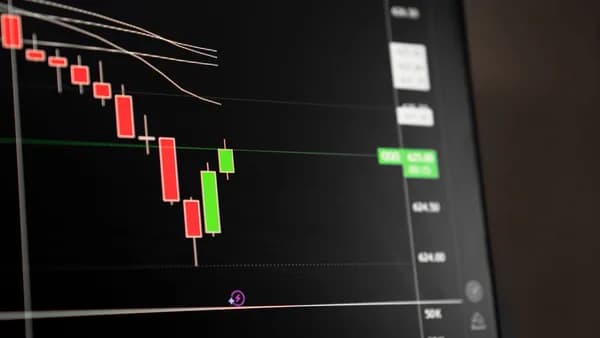
Gold's rally is now fueled not by speculative algorithms but by sustained discretionary and Asian physical demand, creating a more durable market floor.
Aug 8, 20266 min
 Fintech
Bitcoin's Clarity Act Surge Is a Political Mirage
OKX's Haider Rafique argues optimism around the Clarity Act is already priced into bitcoin, leaving only downside risk if the politically stalled bill fails.
Aug 8, 20266 min
 Global Trends
Teen Shooter Targets Family, Teachers With Chilling Precision
A 14-year-old boy in Thailand executed a plan to kill his grandparents and five teachers, a deliberate attack on familial and academic authority figures.
Aug 8, 20267 min
Don't miss the signal
Get our weekly roundup of the stories that matter across tech, fintech, and trading. No noise, just signal.
Free forever. No spam. Unsubscribe anytime.