
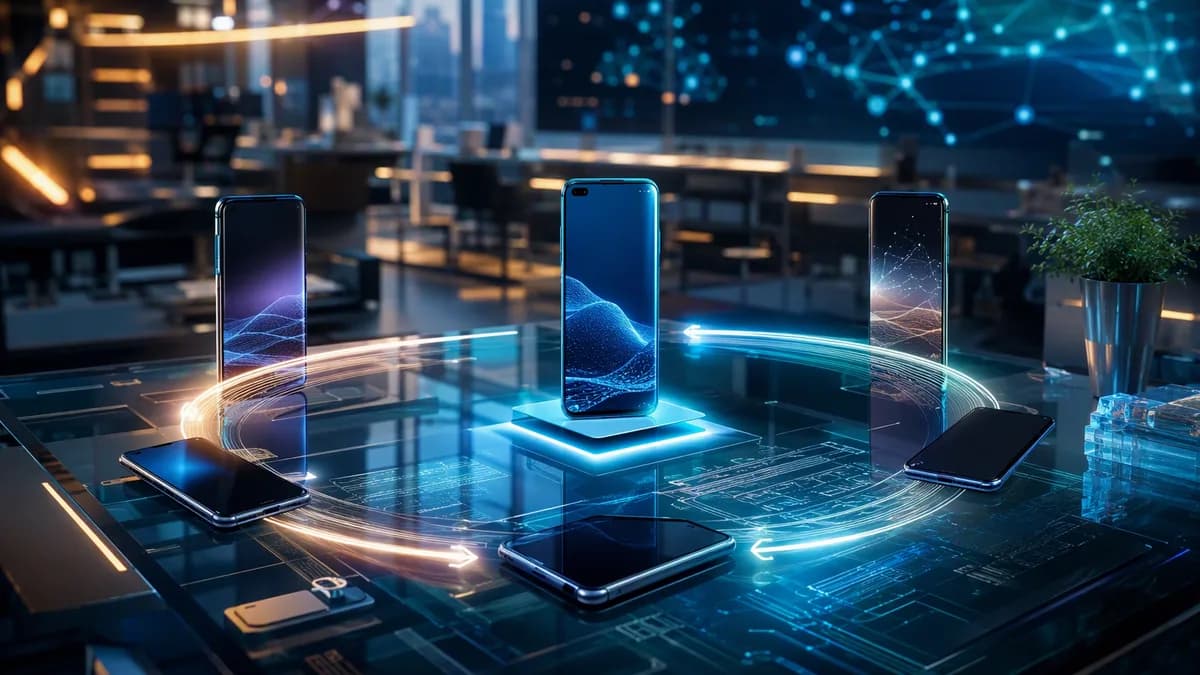
Smartphone subscription plans are becoming the industry’s answer to a problem phone makers helped create: premium devices last longer, cost more, and give consumers fewer reasons to upgrade. Apple’s push toward a more structured device-upgrade model puts that shift in plain view, according to TechCrunch.
TechnologyAugust 1, 2026· 8 min read· By XOOMAR Insights Team
Smartphone Subscriptions Turn iPhone Upgrades Into Habit
Updated on August 1, 2026
XOOMAR Intelligence
Analyst Take
59/ 100
4 sources analyzedLow confidenceTrend10Freshness96Source Trust90Factual Grounding90Signal Cluster40
The broader idea is simple: instead of treating the phone as a one-time purchase, device makers and financing partners are exploring monthly paths that can make upgrades feel more predictable. Similar experiments across the market point in the same direction, though the details vary by company and region.
XOOMAR analysis: the product is not just the device anymore. It’s the upgrade path.
Apple Upgrade turns the smartphone into a managed monthly habit
Apple’s upgrade push is best understood as part of a larger move to make premium hardware feel less like a single expensive purchase and more like an ongoing relationship. For customers who already upgrade regularly, a monthly plan can make the next device feel easier to reach.
That matters because these models depend on what happens after the first user is done with the device. A phone that comes back in good condition can move into the refurbished market, creating another sale after the first customer turns it in.
Leasing and guaranteed-return models only become sustainable when a secondary market can absorb those devices. If returned phones can be inspected, refurbished, and resold at meaningful value, the economics become more attractive for the companies running the plans.
This is where the smartphone subscription model becomes more than a financing trick. It gives Apple and other device makers a cleaner path to the customer’s next device, while also feeding used hardware back into resale channels. That is a stronger position than simply hoping a buyer returns to a store years later.
For consumers, the question is whether that convenience is worth the long-term commitment.
The real cost depends on whether you upgrade often or hold your phone for years
The strongest argument for a smartphone subscription is not that it is always cheaper. It’s that it can be financially close enough for people who already upgrade frequently.
Customers who replace phones often may find that a structured upgrade plan matches behavior they already had. Customers who keep phones for several years are often better served by buying outright or financing to own, because they get more value from one device over time.
That distinction matters. A subscription-style plan can look affordable month to month while still costing more than ownership if the customer would otherwise have kept the same phone for a long stretch.
| Buyer type | Likely better fit | Reason |
|---|---|---|
| Upgrades often | Lease or upgrade plan | Trade-in timing can make the economics closer |
| Keeps phones for years | Buy outright or finance to own | More time to extract value from one device |
| Wants latest high-storage model | Needs careful comparison | Higher upfront prices may not always translate into better end value |
| Wants maximum flexibility | Buy outright | Ownership makes resale and long use simpler |
The missing variable is the exact monthly price. TechCrunch’s source material does not provide detailed Apple Upgrade payment examples, so buyers still need to compare total payments, return conditions, buyout terms, and trade-in assumptions before deciding.
Carriers did not disappear from phone financing, but Apple wants more of the relationship
Monthly phone payments are not new in the U.S. Wireless carriers have long used financing and upgrade plans tied to service relationships. What is changing is who controls the upgrade moment.
That history cuts both ways. It shows customers are already comfortable paying monthly for premium phones. It also shows Apple does not need to invent the behavior from scratch.
The difference is proximity. A carrier-led plan keeps the carrier central to the purchase. A manufacturer-led plan pulls the customer closer to Apple’s own upgrade calendar, product mix, and resale pipeline. XOOMAR analysis: that is the strategic prize here, not just easier checkout.
For Apple, the value is not only in collecting a monthly payment. It is in knowing when a customer is likely to upgrade, keeping that customer inside the ecosystem, and potentially directing returned devices into channels Apple can influence more directly.
For carriers, that creates a familiar tension. They remain important distribution and financing partners, but direct manufacturer programs can reduce the carrier’s control over the customer’s next hardware decision.
Longer replacement cycles are forcing the industry’s hand
The pressure behind these programs is visible in the way consumers now treat premium phones. Devices remain capable for longer, software support has improved, and many yearly hardware changes no longer feel essential to everyday users.
That is difficult for companies built around recurring hardware refreshes. Phones are lasting longer, while rising component costs and premium pricing make upgrades harder to justify. Incremental hardware improvements weaken the emotional pull of buying the latest model.
This is why subscription-style plans are attractive to manufacturers. They can create more predictable upgrade windows, improve retention, and produce a steadier flow of used devices for refurbishment and resale.
That is the center of the story. The smartphone subscription is a retention tool, an inventory tool, and a resale-market tool. Affordability is part of the pitch, but not the whole business case.
For buyers, the same trend cuts the other way. If your current phone still works well, a monthly upgrade plan may solve a problem you do not actually have.
The subscription trap is real, even when the plan is convenient
For consumers, the appeal is obvious: lower upfront cost, predictable payments, easier upgrades, and less hassle around resale. That is especially attractive when premium phones are expensive and trade-in values can be hard to model.
The risk is just as clear. A buyer can move from one device payment to the next without ever reaching a clean stopping point. The phone stays current, but the bill never really ends.
That is why the user’s upgrade behavior matters more than the marketing. If you already replace your phone every year or two, a lease might match your habits. If you usually keep a device until the battery fades, the screen cracks, or software support runs out, the subscription model may quietly pull you into spending more often than you intended.
The most reasonable expectation is that leasing, subscriptions, financing, and outright purchases will continue to coexist. Different buyers have different tolerances for ownership, monthly bills, resale work, and upgrade frequency.
A subscription can be useful. It can also turn a device you once owned into another recurring service line. The right answer depends less on the brand’s pitch and more on how long you truly keep your phone.
Refurbished phones may benefit, but control shifts upward
The used-device market is one of the biggest winners if these programs scale. More structured returns mean more predictable supply for certified refurbishment and resale.
But control also moves toward the largest device makers and financing partners. Apple, Samsung, and companies running buyback programs can shape when devices return, how they are graded, and where they are resold. Independent resale channels may still benefit from more device flow, but they won’t necessarily control the most valuable streams.
Startups and leasing specialists are also building around this shift in different markets, offering alternatives to traditional ownership or standard installment plans. The broader pattern is clear even when individual programs differ: more companies want to sit between the customer and the next device purchase.
The best evidence against a broad ownership shift is the current market itself. In places where carrier financing is already common, many customers may see a manufacturer-led upgrade plan as a variation on behavior they already know, not a complete reinvention of phone buying.
That limits the upside but does not erase the strategic value. Even a modest shift toward manufacturer-managed upgrades can give device makers more control over timing, loyalty, and returned inventory.
The next iPhone purchase may look less like ownership and more like a service bundle
The next phase to watch is bundling. If device leasing, cloud storage, AI features, protection plans, and entertainment services become packaged together, the phone purchase could become one line item inside a larger Apple relationship. XOOMAR has tracked that direction in adjacent coverage of Apple’s broader services strategy.
That scenario is not proven by Apple Upgrade alone. The current source supports a narrower claim: Apple and rivals are testing ways to convert expensive hardware purchases into predictable monthly relationships as upgrade cycles stretch.
The practical test for buyers is simple:
- Total cost: Add every monthly payment across the full term.
- Exit terms: Check return, upgrade, and purchase options.
- Upgrade habit: Be honest about whether you really replace phones often.
- Resale value: Compare the lease against buying and trading in later.
- Flexibility: Decide how much ownership matters to you.
Smartphone subscriptions are convenient. That part is settled. The harder question is whether consumers want their most personal device to become another permanent monthly bill.
Key Takeaways
- Premium smartphones are lasting longer, making traditional upgrade cycles harder for device makers to sustain.
- Subscription and upgrade plans can make expensive phones feel more affordable by spreading costs over time.
- Returned devices could strengthen the refurbished market if companies can resell them at meaningful value.
Buying vs. subscribing to your next smartphone
| Option | How it works | Best fit | Trade-off |
|---|---|---|---|
| Buying | Pay for the phone as a one-time purchase or standard financing and keep it until you choose to replace it. | Consumers who keep phones for years or want full ownership control. | Upfront cost can be high, and upgrades are less structured. |
| Subscribing | Pay monthly through an upgrade or return-based model that makes replacement more predictable. | Consumers who upgrade regularly and want a managed path to the next device. | Value depends on return conditions, resale economics, and plan terms. |
Sources

Written by
XOOMAR Insights Team
Research and Editorial Desk
The XOOMAR Insights Team pairs automated research with human editorial judgment. We track hundreds of sources across technology, fintech, trading, SaaS, and cybersecurity, cross-check the facts, and explain what happened, why it matters, and what to watch next. We do not just rewrite headlines. Every article is fact-checked and scored for reliability before it goes live, and we link back to the original sources so you can verify anything yourself.
Explore More Topics
Related Articles
 Technology
Apple Upgrade Hides iPhone Sticker Shock in Monthly Fees
Apple's lease plan turns rising device prices into smaller monthly payments, making premium hardware feel cheaper without cutting the real cost.
Jul 28, 20268 min
 Technology
Apple AI Doubts Sink Stock After $109 Billion Quarter
Apple crushed the quarter, but investors sold anyway because Apple AI still hasn’t shown it can carry the next growth cycle.
Aug 1, 20268 min
 Technology
Apple's $11.1B Stockpile Exposes Supply Constraints Crunch
Apple's $11.1B inventory pile signals a costly supply crunch as memory prices threaten iPhone and Mac production.
Jul 30, 20268 min
 Technology
Apple Teases iCloud Plus AI Toll for Siri Power Users
Tim Cook signaled Apple may charge heavy Siri AI users through iCloud Plus, turning usage limits into a new subscription lever.
Jul 30, 20267 min
 Technology
Avoiding AI Workshops Turn Libraries Into Big Tech Revolt
Public libraries are becoming AI opt-out clinics as users push back against forced defaults from Apple, Google, and Big Tech.
Jul 25, 202613 min
 Trading
Two Earnings Shocks Split Dow Jones Near Record High
The Dow looked steady near a record, but Apple's slide and Amazon's surge masked a violent earnings split.
Aug 1, 20267 min
 SaaS & Tools
App Store Hidden Gems Defy AI Agent Hype With Real Jobs
New app launches are up 60% in 2026, and focused App Store hidden gems show useful software isn't yielding to AI agents.
Aug 1, 20268 min
 Global Trends
Peru Plane Crash Kills 13 on Nazca Lines Tour Flight
A Nazca Lines tourist flight crashed in Peru, killing all 13 aboard and putting Aerodiana under investigation.
Aug 1, 20265 min
 Trading
Sterling Loses Its Crown as EUR/GBP Breaks Higher Again
EUR/GBP's rise is less a Euro rally than a Sterling downgrade as markets price a weaker Bank of England rate edge.
Aug 1, 20268 min
 Technology
Minnesota Nudify App Ban Survives xAI's Court Blitz
Minnesota's nudify app ban can take effect after xAI lost its emergency bid, leaving big fines and a speech fight ahead.
Aug 1, 20266 min
Don't miss the signal
Get our weekly roundup of the stories that matter across tech, fintech, and trading. No noise, just signal.
Free forever. No spam. Unsubscribe anytime.