
Bitcoin's 27% slide this year was supposed to be a simple story. Massive outflows from U.S. spot ETFs, selling by long-term holders and treasury firms like MicroStrategy, these were the named culprits. But a critical, mechanical source of sell-side pressure has been operating right under the market's nose according to CoinDesk. Publicly listed miners have offloaded 28,000 BTC so far this year, injecting $1.78 billion of fresh selling pressure at the margin.
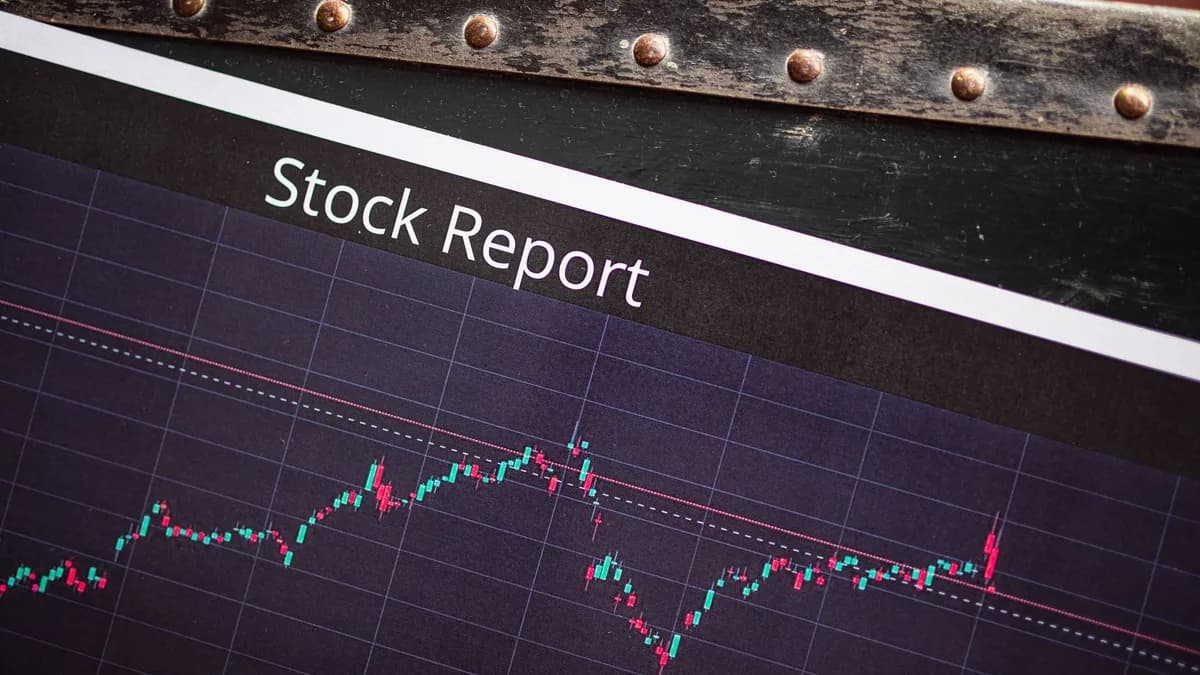
TradingAugust 13, 2026· 5 min read· By XOOMAR Insights Team
Miners Sell $1.78 Billion in Bitcoin, Driving Slump
Updated on August 13, 2026
XOOMAR Intelligence
Analyst Take
66/ 100
4 sources analyzedLow confidenceTrend10Freshness98Source Trust88Factual Grounding84Signal Cluster60
The Overlooked Supply Spigot
When discussing Bitcoin's price, focus naturally falls on traders, whales, and funds. The miners who create the asset are often treated as part of the background infrastructure, assumed to be HODLers. The data says otherwise. Blockware Intelligence reports that public miners began 2026 holding a combined 127,000 BTC. Their collective treasury now stands at just 99,000 BTC. The difference, 28,000 BTC sold, is a direct, consistent flow of new supply hitting exchanges.
While this figure is smaller than the $4.4 billion in net ETF outflows, price action happens at the margin. As Blockware noted, "In a downtrend, when buying interest is already weak, even relatively modest and steady selling can have an outsized impact." This is not a one-off dump, but a persistent, structural sell-flow that the market must constantly absorb.
Squeezed Margins Force an AI Exodus
Why are these industrial holders becoming serial sellers? The primary driver is brutal economics. The average cost to produce one bitcoin has reached $74,300, according to the source material. With Bitcoin trading near $64,000, mining at a loss has become unsustainable for many. This economic squeeze is triggering a strategic exodus, reshaping the industry similarly to how Securitize Plunges 20% as Tokenization Profits Vanish highlighted stress in another crypto-adjacent sector.
“A growing number are pivoting into AI and using their secured high-voltage electrical capacity to support that shift.”
This pivot is reshaping the entire mining landscape. As these large players divert energy and capital to artificial intelligence, the Bitcoin network's mining difficulty has fallen by about 18% from its November peak. This marks the longest stretch of declining hashrate in recent memory. The result is a classic market reset: inefficient miners exit, and the rewards for those who remain increase proportionally.
For the miners staying in the game: They are now earning roughly 18% more Bitcoin for the same computational work than they were ten months ago. This dynamic echoes past cycles where high prices eventually attracted excessive hashpower, leading to a shakeout. However, the scale today is larger, and the exit strategy, shifting to AI, is new.
This industry stress adds crucial context to broader market movements, such as the period of Bitcoin Whales Quietly Hoard $1.5 Billion Amid Retail Panic. While some entities accumulate, a fundamental pillar of the ecosystem is being forced to distribute.
Survival Selling Versus Strategic Accumulation
The uniform image of "the miner" is misleading. The $1.78 billion in sales represents an aggregate, but strategies diverge sharply at the company level. The source material points to a clear bifurcation.
- The Sellers: These are miners facing severe cash flow constraints. Their selling is not discretionary; it's operational finance. They sell freshly minted coins and tap treasuries to service debt, pay for electricity, and fund that pivot to AI. For them, Bitcoin is a commodity to be produced and monetized immediately.
- The (Potential) Holders: The miners who survive the shakeout benefit from the exodus of competitors. With lower network difficulty, their cost to mint a coin drops, and their share of the block reward rises. If their operational costs are low enough, they could revert to being net accumulators, holding coins for future appreciation rather than immediate survival.
This divergence means investors can no longer treat "miner selling" as a monolithic market indicator. The more telling metric will be the concentration of sales among a few distressed players versus broad-based distribution across the sector.
Forward Look: The Halving and the New Equilibrium
The source data provides a snapshot of an industry in violent transition. For investors, the implications are practical.
Watch the difficulty adjustment. The ongoing 18% decline in hashrate is a direct read on miner capitulation. A stabilization or reversal will signal the shakeout is complete and a new equilibrium between price and operating cost has been found.
Scrutinize individual miner balance sheets. Aggregate selling pressure tells one story. Disaggregating it to identify which miners are selling out of weakness versus those selling from a position of strength will be key. The market impact of 28,000 BTC sold by three bankrupt entities is very different from the same amount sold evenly across twenty profitable firms.
Price is set at the margin, and miners are now a permanent part of that equation. As Bitcoin matures, its price discovery is becoming less about pure speculative sentiment and more about the hard economics of its foundational industry. The days of treating miners as passive HODLers are over. They are active, motivated market participants whose decisions are dictated by kilowatt-hours and balance sheet liabilities, operating within a shifting regulatory landscape like the one affecting Russia Cuts Retail Crypto to Bitcoin, Ether, USDT.
This introduces a new variable for traders: a persistent, measurable flow of supply from natural sellers that exists regardless of ETF flows or whale moves. Recognizing this force is the first step. The next is learning to gauge when the exodus ends, and the survivors start building their treasuries again. For a look at how traders are reacting to current pressures, see Traders Dump Bitcoin For Dogecoin Meme Bet.
Disclaimer: This XOOMAR analysis is for informational and educational purposes only. It is not financial, investment, legal, tax, or professional advice. It does not provide buy, sell, hold, price-target, portfolio, or personalized recommendations. Verify information independently and consult qualified professionals before making decisions.
The Bottom Line
- The steady $1.78 billion selling from miners adds persistent downward price pressure that markets weren't fully accounting for.
- Miners' shift to AI for better margins could permanently reduce future Bitcoin supply, which could affect its long-term scarcity value.
- Understanding this overlooked selling group helps investors better assess true near-term market dynamics versus just ETF flows.
Bitcoin Miner Selling Pressure vs. Net ETF Outflows (2026)
Public Miners' BTC Sales
Billion $1.78
Net ETF Outflows
Billion $4.4
Sources
Disclaimer: Content on XOOMAR is produced using AI-assisted research, drafting, and verification workflows and is intended for informational and educational purposes only. It does not constitute financial, investment, legal, tax, medical, or professional advice of any kind. All analysis reflects available information at the time of publication and may not be current. Verify information independently and consult qualified professionals before making decisions. Editorial policy

Written by
XOOMAR Insights Team
Research and Editorial Desk
The XOOMAR Insights Team pairs automated research with human editorial judgment. We track hundreds of sources across technology, fintech, trading, SaaS, and cybersecurity, cross-check the facts, and explain what happened, why it matters, and what to watch next. We do not just rewrite headlines. Every article is fact-checked and scored for reliability before it goes live, and we link back to the original sources so you can verify anything yourself.
Explore More Topics
Related Articles
 Trading
Bitcoin Whales Hoard $1.2 Billion Amid ETF Rush
Bitcoin whales purchased over $1.2B worth of BTC in one week, a major vote of confidence while U.S. spot ETFs pulled in over $750 million, signaling a possible
Aug 7, 20264 min
 Trading
Bitcoin Defies $15 Million Coldcard Sweep with Gains
Bitcoin's price is climbing above $64,000, largely ignoring a massive theft from Coldcard hardware wallets, signaling a major shift in how the market grades ris
Aug 4, 20268 min
 Trading
Traders Dump Bitcoin For Dogecoin Meme Bet
Bitcoin's stagnation triggered a rush into riskier assets, with Dogecoin and BNB leading gains while the Crypto Fear & Greed Index held firmly in the 'Fear' zon
Aug 12, 20264 min
 Trading
Bitcoin Climbs Above $65K Despite Senate Regulatory Stall
Bitcoin's price held above $65,000 despite the U.S. Senate delaying a key vote on crypto regulations, showing the market had already priced in the delay and is
Aug 10, 20265 min
 Trading
Bitcoin Rally Tied To Trump's Strait Of Hormuz Deal Hopes
Bitcoin surged past $65,000 amid thin crypto news, propelled instead by traders betting a potential Strait of Hormuz reopening deal, hinted by President Trump,
Aug 6, 20267 min
 Fintech
Russia Cuts Retail Crypto to Bitcoin, Ether, USDT
Russia has restricted legal retail crypto trading to only Bitcoin, Ether, and USDT, imposing an annual purchase limit of about $3,600 and creating a two-tier fi
Aug 12, 20265 min
 Fintech
Goldman Sachs Buys Income ETF Rival For $2.3 Billion
Goldman Sachs will pay up to $2.3 billion for ETF firm Neos, signaling a strategic shift to buy growth engines instead of building them.
Aug 12, 20265 min
 Fintech
Securitize Plunges 20% as Tokenization Profits Vanish
Securitize shares cratered 20% as its first public earnings revealed booming tokenized asset volume failed to turn into profits, delivering a $21.7 million loss
Aug 12, 20266 min
 Fintech
SchoolsFirst’s 5% Gas Rebate Heats Up Credit Union Wars
SchoolsFirst Federal Credit Union is offering 5% cash back on gas and EV charges, a targeted move as member fuel spending surges 15%.
Aug 13, 20264 min
 Technology
Brad Lightcap Exits OpenAI After Eight-Year Scale-Up
Brad Lightcap, OpenAI's longtime COO, is leaving the company after scaling it from a research lab into a commercial powerhouse, raising questions about leadersh
Aug 13, 20266 min
Don't miss the signal
Get our weekly roundup of the stories that matter across tech, fintech, and trading. No noise, just signal.
Free forever. No spam. Unsubscribe anytime.