
43% of consumers abandon a purchase when BNPL is unavailable, which means BNPL basket size is no longer just a checkout metric. It’s becoming a merchandising question.
FintechJuly 9, 2026· 7 min read· By XOOMAR Insights Team
43% Walk Away as BNPL Basket Size Battle Moves Upstream
Updated on July 9, 2026
XOOMAR Intelligence
Analyst Take
72/ 100
4 sources analyzedMedium confidenceTrend10Freshness100Source Trust88Factual Grounding90Signal Cluster20
That is the sharpest signal in PYMNTS Intelligence research with PayPal, according to PYMNTS. The data points to a shift retailers can’t treat as cosmetic: shoppers are weighing installment options while they compare products, not only after they’ve decided to pay.
BNPL Is Turning Product Discovery Into a Credit Decision
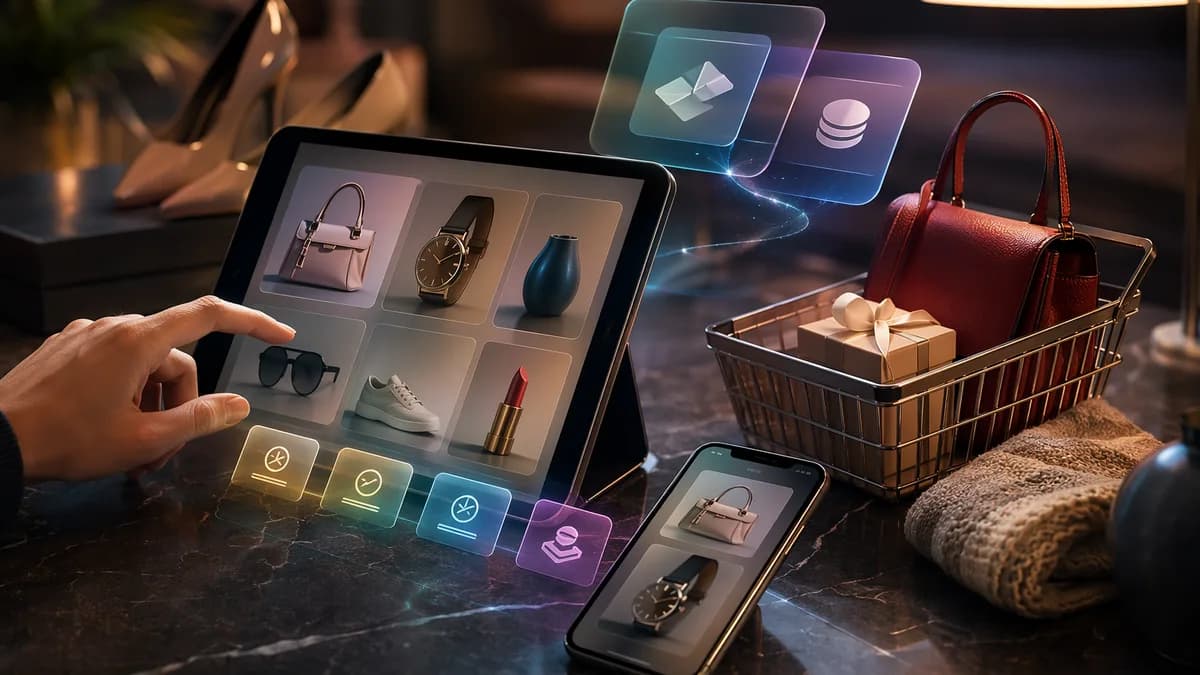
Buy now, pay later has moved upstream. The old model was simple: show BNPL beside cards, wallets and other payment options at checkout. The newer model is more aggressive. Show installment pricing on product pages, category pages and carts, while shoppers are still deciding what feels affordable.
That changes the psychology of the purchase. A higher-priced item can look less intimidating when the shopper sees the payment split before they’ve ruled it out. The merchant is not only offering flexibility. It is using financing visibility to keep the shopper engaged with products they might otherwise skip.
The source data supports that read. 81% of consumers spend more when using BNPL, while 42% choose a lower-cost product or service when flexible payments aren’t available. That is the core of the BNPL basket size story: early financing prompts don’t just rescue abandoned carts. They can shape what goes into the cart in the first place.
XOOMAR analysis: this puts BNPL closer to product merchandising than payments processing. Once installment messaging appears next to price, reviews and shipping promises, it becomes part of the persuasion layer. That’s powerful for merchants. It also raises the harder question: when does helpful affordability framing become a nudge toward spending more than planned?
The Numbers Behind Early BNPL Visibility and Bigger Shopping Carts
The strongest merchant-side number in the PYMNTS article is 4.4%. Merchants using upstream messaging and Pay Later button placement recorded a 4.4% increase in overall sales, based on PayPal data cited in the report.
That number matters because it isolates visibility. The point is not merely that BNPL exists. It is that shoppers see it before the final payment step.
Several other figures explain why early BNPL placement can lift basket size:
- Abandonment: 43% of consumers abandon a purchase when BNPL is unavailable.
- Spending: 81% spend more when using BNPL.
- Trade-down risk: 42% choose a lower-cost product or service when flexible payments aren’t offered.
- Merchant choice: 38% say BNPL availability affects where they order food delivery.
- Travel choice: 37% say it affects travel bookings.
- Younger travel shoppers: 62% of millennials and 49% of Generation Z consumers say BNPL availability affects their choice of travel merchant.
The behavioral mechanics are straightforward. Installment pricing lowers the visible upfront burden. It makes premium products feel more reachable. It can reduce hesitation at the exact moment shoppers are comparing price and value.
That effect should be strongest in categories where shoppers deliberate before committing. The supplied source specifically names food delivery and travel as areas where BNPL affects merchant choice. The broader logic also applies to any category where shoppers compare alternatives before buying, but the source does not provide category-level data beyond those examples.
From Checkout Button to Merchandising Tool: How BNPL Changed Its Role
BNPL’s role has changed because the point of influence has changed. Checkout is late. Product discovery is early.
A shopper who sees “pay later” only after reaching the payment screen has already made most of the decision. A shopper who sees installment options while browsing may make a different decision entirely.
| BNPL placement | Old checkout model | Earlier merchandising model |
|---|---|---|
| Where it appears | Payment page | Product pages, category pages, cart |
| What it influences | Payment method choice | Product consideration and basket size |
| Merchant goal | Complete the transaction | Shape affordability perception earlier |
| Risk point | Checkout friction | Overspending concerns and disclosure clarity |
This is where BNPL starts to resemble older retail financing tactics, such as store cards, layaway and promotional credit. The difference is speed and placement. Modern BNPL can appear inside the digital shopping flow, tied to specific products and cart values, without requiring a separate in-store conversation or a delayed approval path.
Execution still matters. PYMNTS reports that 81% of consumers describe BNPL as convenient or very convenient, yet 79% abandon BNPL checkouts at least occasionally because of friction. The cited pain points include lengthy approval processes, confusing payment terms and repeated data entry.
That is a warning for merchants chasing higher BNPL basket size. A visible installment offer can pull a shopper deeper into the purchase. A clumsy approval flow can still lose them.
Retailers, Payment Firms and Shoppers Don’t Get the Same Deal
Retailers see the cleanest upside. Earlier BNPL messaging can lift sales, reduce trade-down behavior and make higher-priced items easier to consider. The 4.4% sales increase from upstream Pay Later placement gives merchants a concrete reason to test where BNPL appears, not just whether it appears.
Payment firms also gain influence when BNPL moves upstream. If a provider’s button or installment message appears during product discovery, that provider is no longer confined to the final payment page. It becomes part of the shopping interface.
Consumers get clearer cash-flow choices. That is real value, especially when payment terms are easy to understand and the approval path is not painful. But the same data that makes BNPL attractive to merchants should make shoppers more alert. If 81% of BNPL users spend more, affordability cues are doing more than informing. They are influencing.
Related XOOMAR coverage on BNPL’s financial perimeter includes Klarna US Banking License Bid Threatens Partner Banks and Klarna Bank USA Bid Pulls BNPL Giant Into Banking Test. Those pieces sit next to this issue rather than inside it: as BNPL becomes more embedded in shopping, the business model around installment credit deserves closer scrutiny.
Regulators and consumer advocates will likely care most about disclosure and repayment risk. That is XOOMAR analysis, grounded in the PYMNTS finding that confusing terms already contribute to checkout abandonment. If shoppers don’t understand the terms, the conversion gain becomes a governance problem.
Early Financing Prompts Could Rewrite E-Commerce Design
BNPL placement may become as carefully managed as price display, shipping labels, ratings and discount badges.
The practical merchant question is no longer “Do we offer BNPL?” It is: where does BNPL appear, for which products, and at what point in the shopping journey?
Product pages could give installment amounts more visual weight. Carts could show how adding or removing items changes payment size. Category pages could make higher-priced products feel less out of reach by presenting installment costs alongside full prices.
There are trade-offs. Larger carts can raise revenue, but merchants still have to weigh payment provider fees, returns, failed approvals, checkout friction and customer lifetime value. PYMNTS also reports that 57% to 87% of consumers across spending categories say BNPL availability strongly influences where they shop regularly, while PayPal says 74% of global purchases made through its Pay Later option come from repeat buyers.
That repeat-buyer figure is important. It suggests BNPL is not just a one-time conversion tactic. Used well, it can become part of the customer relationship.
The shopper takeaway is simpler: installment prompts are not neutral decorations. They are affordability cues placed inside the buying path. Treat them like discounts or urgency labels, useful information, but also part of the sales architecture.
The Next BNPL Fight Starts Before Checkout
The next phase of BNPL competition will center on placement. The firms that win won’t be the ones that merely approve payments at the end. They’ll be the ones merchants trust to influence purchase intent before the cart is built.
Evidence that would strengthen this thesis: more retailers reporting sales lift from product-page BNPL messaging, more repeat purchase data tied to Pay Later users, and lower abandonment from cleaner approval flows.
Evidence that would weaken it: shoppers ignoring early installment prompts, merchants finding that provider fees or returns offset larger baskets, or regulators forcing installment prices to appear less prominently beside full prices.
For now, the PYMNTS and PayPal data points in one direction. BNPL basket size rises when shoppers see flexible payments early, and that turns a payment option into a retail strategy.
Disclaimer: This XOOMAR analysis is for informational and educational purposes only. It is not financial, investment, legal, tax, or professional advice. It does not provide buy, sell, hold, price-target, portfolio, or personalized recommendations. Verify information independently and consult qualified professionals before making decisions.
The Bottom Line
- BNPL is influencing product selection earlier in the shopping journey, not just checkout completion.
- Retailers may boost basket size by showing installment pricing before consumers rule out higher-priced items.
- The strategy raises questions about whether affordability messaging encourages shoppers to overspend.
BNPL Placement Models
| Approach | Where Shoppers See BNPL | Impact |
|---|---|---|
| Checkout-only BNPL | Payment step | Helps complete purchases after shoppers decide what to buy |
| Early BNPL visibility | Product pages, category pages and carts | Shapes affordability perceptions before shoppers finalize choices |
Consumer Behavior When BNPL Is Available or Unavailable
Abandon purchase when BNPL unavailable
%43
Spend more when using BNPL
%81
Choose lower-cost option without flexible payments
%42
Sources
Disclaimer: Content on XOOMAR is produced using AI-assisted research, drafting, and verification workflows and is intended for informational and educational purposes only. It does not constitute financial, investment, legal, tax, medical, or professional advice of any kind. All analysis reflects available information at the time of publication and may not be current. Verify information independently and consult qualified professionals before making decisions. Editorial policy

Written by
XOOMAR Insights Team
Research and Editorial Desk
The XOOMAR Insights Team pairs automated research with human editorial judgment. We track hundreds of sources across technology, fintech, trading, SaaS, and cybersecurity, cross-check the facts, and explain what happened, why it matters, and what to watch next. We do not just rewrite headlines. Every article is fact-checked and scored for reliability before it goes live, and we link back to the original sources so you can verify anything yourself.
Explore More Topics
Related Articles
 Fintech
Missing Buy Now, Pay Later Sends 43% of Shoppers Packing
BNPL has become a merchant growth weapon, with 43% of shoppers ready to abandon purchases when it's missing.
Jun 30, 20268 min
 Fintech
BNPL Apps That Skip Hard Pulls Can Still Cost You Fees
Soft-check BNPL apps can split payments without a hard pull, but approvals, fees and credit reporting can still bite.
Jun 19, 202622 min
 Fintech
Klarna Bank USA Bid Pulls BNPL Giant Into Banking Test
Klarna wants a Utah industrial bank charter, a move that could pull its U.S. BNPL business deeper inside regulated banking.
Jul 6, 20265 min
 Fintech
Household Bills Force Deferred Purchases Despite Optimism
Americans still want to spend, but household bills are pushing purchases later. For merchants, the fight is timing and cash flow.
Jun 30, 20268 min
 Fintech
20-Point ROI Gap Jolts Real-Time Payments Adoption
Users rate RTP and FedNow ROI about 20 points higher than nonusers, making workflow fit the real adoption battleground.
Jun 25, 20268 min
 Future Fiction
The Choir Beneath Europa
In 2079, deaf marine linguist Dr. Mara Venn is invited to decode strange metabolic patterns detected beneath Europa’s ice, only to realize the signals are not messages but living philosophy: an intelligence that thinks through tides, minerals, and shared bodies. As Earth argues over whether this counts as contact, personhood, or a mirror held up to human loneliness, Mara must decide how to answer beings who may not understand individuality at all.
Jul 9, 202614 min
 Technology
Deadly Heat Rewrites the Best Home Air Conditioners List
Extreme heat makes AC choice a safety call. Match the unit to your room, noise tolerance, setup, and portability needs.
Jul 9, 202610 min
 Fintech
Credit Union Deposit Growth Smacks into Bank Card Habit
Credit unions have member trust, but national banks keep winning the card swipe. That wallet gap is costing deposits, data and daily engagement.
Jul 9, 20267 min
 Fintech
85% of Financial Firms Pour More Cash Into AI Budgets
Financial firms are turning AI from pilots into capital plans, with 85% set to raise budgets for productivity, risk, and competitive edge.
Jul 9, 20268 min
 Technology
Illinois AI Safety Law Forces Yearly LLM Audits on Big Tech
Illinois will force major AI developers to publish risk plans, report severe incidents fast, and face yearly outside LLM audits starting in 2028.
Jul 9, 202613 min
Don't miss the signal
Get our weekly roundup of the stories that matter across tech, fintech, and trading. No noise, just signal.
Free forever. No spam. Unsubscribe anytime.