
Kraken jumps into America's wallets, ditching the crypto convert. On August 18, 2026, Kraken's payment app Krak launched its multi-asset debit card, the Krak Card, in the United States according to PYMNTS. This is not another niche crypto card. It's a direct attack on the single biggest friction in digital finance: the gap between what you own and what you can spend. The card allows U.S. customers to hold over 600 currencies and assets, from Bitcoin to Euros, and spend any of them in real-time anywhere Visa is accepted. Krak’s internal survey found that 63% of Americans feel financially behind and 64% are frustrated with credit card rewards. This product frames itself as the solution: a single card that turns any asset into spendable cash, pays real cashback, and demands no debt. For Kraken, this is a bid to move beyond speculation and become the default operating system for a new generation’s entire financial life, blurring the line between an exchange and a bank. It builds on the earlier rollout in the UK and EEA, where over 135,000 Krak Cards have been issued since December.
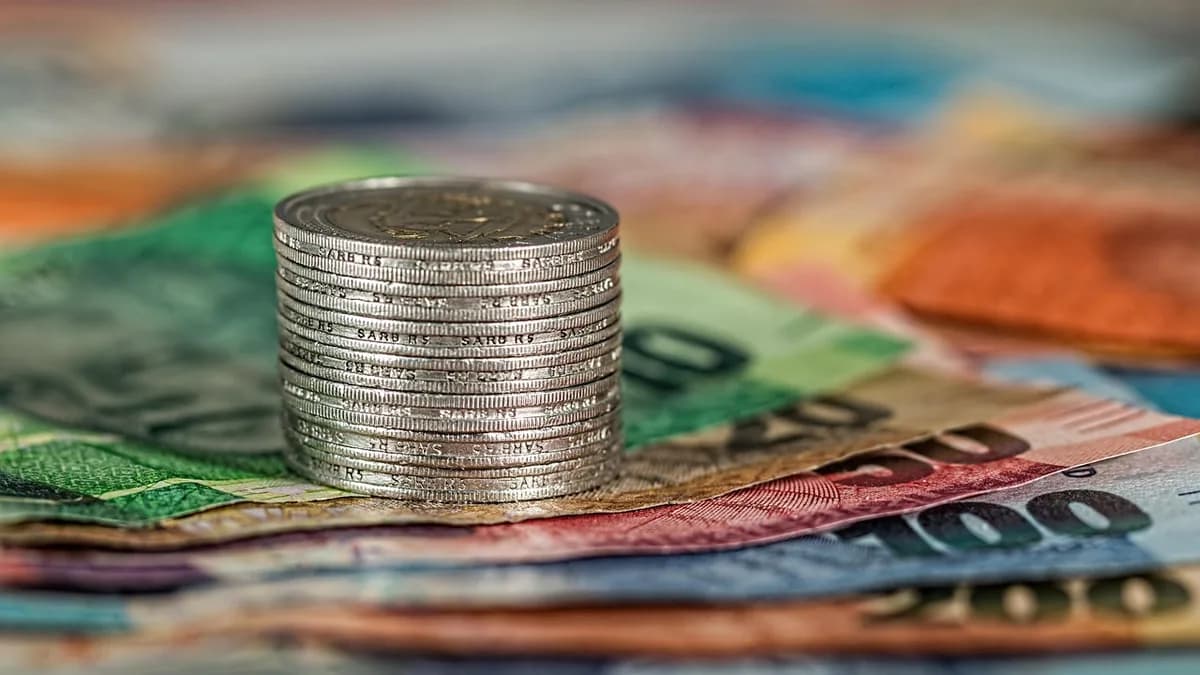
Kraken Debuts Single-Card Wallet for 600 Assets
XOOMAR Intelligence
Analyst Take
“People have lost trust in how the financial system treats them... The old deal was simple: if you wanted rewards, you had to take on debt to get them. That deal is over. The Krak Card turns whatever people choose to hold into money they can spend anywhere, and pays the value back as cash, not points,” said Arjun Sethi, Co-CEO of Payward, Kraken's parent company.
Breaking Down the 600-Asset Swiss Army Knife in Your Pocket
The Krak Card's core innovation is its liquidation engine. At checkout, the card converts a pre-selected mix of your assets into U.S. dollars instantly to settle the purchase. This isn't just "spend your Bitcoin."
A customer can program the card to spend, say, U.S. dollars first, then Euros, then a slice of a Bitcoin or Ethereum holding, all within a single transaction. You retain full control over the priority order and can lock certain assets away from spending entirely. Crucially, Krak highlights that this lets customers "decide for themselves whether a cryptoasset will be converted and if a taxable event occurs," directly addressing a major concern for crypto holders.
How does this stack up against predecessors? This approach is distinct from earlier crypto cards, like the now-defunct offerings from 2017, which were often glorified prepaid cards with clunky single-asset conversions. The Krak Card’s breadth, over 600 assets, and its real-time, multi-source conversion make it a different beast.
XOOMAR Analysis: The utility here is profound but subtle. It’s not about paying for coffee with a "Bitcoin" transaction. It’s about a trader instantly using a portion of an unrealized Solana gain to pay a utility bill, or a freelancer receiving payment in USDC and spending it directly without an intermediate transfer to a bank. It treats your entire portfolio as a liquid, functional checking account balance.
The Debit Card Built for a Debt-Weary Market
Krak's strategy is explicitly positioned against the traditional credit system. Their commissioned survey of 2,001 U.S. adults reveals a target market ripe for this pitch:
- 30% do not own a credit card, and 42% of those who do worry about paying off their balance monthly.
- 60% said they would switch to a debit card offering real rewards without requiring debt.
- 57% prefer cash deposited directly into their account over points, gift cards, or travel miles.
The Krak Card’s reward structure is designed to meet this demand head-on. It offers up to 2% cashback, tiered based on the value of assets held, paid as U.S. dollars or Bitcoin the instant a transaction settles. There are no monthly or annual fees, and the card works on money you already own. This is a debit product positioned as a superior, less stressful alternative to credit.
XOOMAR Analysis: The move is a brilliant market wedge. Kraken isn't just competing with Coinbase's card. It's competing with Chase and Capital One. By exploiting widespread frustration with credit (particularly among higher earners, where frustration with rewards hits 74%), Kraken can pull users into its ecosystem not for trading, but for their daily financial life. This follows a broader trend of fintechs creating a financial front door right inside the apps where people already spend their time.
The Partner-Driven Pipeline from Crypto to Cash
Pulling this off in the heavily regulated U.S. market required heavyweight partners. The Krak Card is issued by Lead Bank and powered by Stripe Issuing, running on the Visa network. This trio provides the licensed banking rails, the card issuance technology, and the global payment acceptance footprint.
This partnership model is critical. It allows Krak to offer a product that "just works" at 150 million-plus merchants and 2.5 million ATMs worldwide without building a bank charter itself. It’s the same playbook that powered its European expansion, now applied to the larger, more complex U.S. market.
The U.S. Launch Signals a Shift from Experiment to Core Product
The U.S. launch is the "next phase in a global effort," per Krak's press release. The 135,000 cards issued in the UK and EEA since December serve as a proof of concept. That traction, achieved in under eight months, likely gave Kraken the confidence and operational data to tackle the U.S.
The infrastructure is now in place to push further. The company stated, "In the months ahead, Krak will continue bolstering its offering, bringing its multi-asset card and its customer-first rewards model to more markets worldwide, and deepen its account features to meet a wider range of financial needs."
XOOMAR Analysis: The Krak Card is no longer a side project. It is becoming the flagship product of Krak, the "global money app." Its success in Europe provided a live test of the conversion engine, fraud systems, and customer demand. The U.S. launch isn't a gamble; it's a scaled deployment. This mirrors a maturation in crypto infrastructure, where the focus shifts from speculative gateways to practical utility, reminiscent of how traditional financial institutions are using technology to reimagine their core services.
What to Watch: The Unanswered Questions on the Receipt
The Krak Card's U.S. debut raises several critical questions that will define its trajectory.
First, the tax headache. While Krak notes customers control taxable events, the burden of tracking thousands of micro-conversions for IRS Form 8949 could be immense. Will Krak provide automated, transaction-level tax documentation? The source material is silent on this, a major gap for a product designed for mass adoption.
Second, the real cost of "free." The press release trumpets no monthly or annual fees. But what are the spreads on the real-time currency and crypto conversions? That hidden cost could easily erode the 2% cashback reward. The profitability model for Krak hinges on these spreads and increased asset custody on its platform.
Third, regulatory reaction. A product that seamlessly blends regulated banking rails (Visa, Lead Bank) with hundreds of unregulated crypto assets will draw scrutiny. While the current regulatory environment may offer some space, as seen in the SEC's recent regulatory shift, money transmission and AML rules at the state and federal level will be tested. How will Lead Bank and Visa manage the compliance risk?
The bottom line for users and observers: The Krak Card is the most ambitious attempt yet to make a crypto exchange your primary financial hub. Its success won't be measured in crypto traded, but in dollars spent. Watch the uptake among Kraken's existing U.S. user base first. Then, watch for two signals: whether major competitors quickly mimic the multi-asset approach, and whether any regulatory body moves to examine the plumbing that turns 600 assets into a single Visa payment. If it works, the "crypto debit card" category dies, replaced by the only debit card you might ever need. If it stumbles, it will be on the sharp edges of taxes, true costs, and regulation that pure technology enthusiasm often glosses over.
Disclaimer: This XOOMAR analysis is for informational and educational purposes only. It is not financial, investment, legal, tax, or professional advice. It does not provide buy, sell, hold, price-target, portfolio, or personalized recommendations. Verify information independently and consult qualified professionals before making decisions.
What This Means For You
- This card eliminates the need to pre-sell crypto or transfer funds, allowing immediate spending of over 600 assets anywhere Visa is accepted.
- It directly challenges traditional credit cards by offering cashback rewards without requiring users to take on debt.
- Kraken is using this launch to expand beyond a trading platform and become a central hub for daily financial activities, potentially changing how people manage money.
Sources
Disclaimer: Content on XOOMAR is produced using AI-assisted research, drafting, and verification workflows and is intended for informational and educational purposes only. It does not constitute financial, investment, legal, tax, medical, or professional advice of any kind. All analysis reflects available information at the time of publication and may not be current. Verify information independently and consult qualified professionals before making decisions. Editorial policy

Written by
XOOMAR Insights Team
Research and Editorial Desk
The XOOMAR Insights Team pairs automated research with human editorial judgment. We track hundreds of sources across technology, fintech, trading, SaaS, and cybersecurity, cross-check the facts, and explain what happened, why it matters, and what to watch next. We do not just rewrite headlines. Every article is fact-checked and scored for reliability before it goes live, and we link back to the original sources so you can verify anything yourself.
Explore More Topics
Related Articles
 Fintech
Cash App Cuts Crypto's Hurdle To A Single Tap
Cash App has partnered with MoonPay, enabling users to purchase crypto directly from their app balance, which mainstreams digital assets by embedding them in a
 Fintech
Goldman Sachs Declares September Fed Rate Hike Unlikely
Goldman Sachs delivered a blunt verdict to markets, declaring a September Fed interest rate hike is very unlikely due to a softening economy, a call that immedi
 Fintech
Russia Unplugs Beijing-Sized Bitcoin Hashrate Amid Power Crisis
Russia ordered a six-year ban on Bitcoin mining in Moscow to prevent the capital's electricity grid from failing, wiping out a gigawatt of global mining power.
 Fintech
Young Members Say 'Buy Bitcoin' to Struggling Credit Unions
A generational rift is opening inside credit unions as younger members demand crypto services that cautious leadership, worried about security, refuses to provi
 Fintech
AI Agents Spend Billions Amid Payment Security Void
A coalition of payment giants led by Rain is racing to create a universal security standard for AI agents that could autonomously spend trillions of dollars, pr
 Technology
Meta Designs Addiction Facing $1.4 Trillion Lawsuit
29 states are suing Meta, claiming it intentionally engineered Facebook and Instagram to be addictive for children, facing a potential financial penalty that co
 Technology
Anthro Energy Breaks Ground on Solid State Battery Breakthrough
Anthro Energy is building a U.S. factory dedicated solely to producing a polymer electrolyte for solid-state batteries, aiming to solve the battery industry's b
 Technology
Daniel Ek Launches $7 Billion Health Scan Startup in Manhattan
Spotify's Daniel Ek is launching his $7 billion health-scanning startup, Neko Health, in Manhattan, challenging the traditional American healthcare model.
 Fintech
Peso Shrugs Off War Fears For Federal Reserve Minutes
While headlines focus on the Middle East, the Mexican Peso's trajectory is being set by traders parsing the Federal Reserve's latest meeting minutes for clues o
 Global Trends
Trump-Endorsed Rep Cory Mills Ousted in Florida Primary
Scandal-laden Florida Rep. Cory Mills lost his Republican primary to challenger Ryan Elijah, a defeat that proved Trump's endorsement couldn't shield him from m
Don't miss the signal
Get our weekly roundup of the stories that matter across tech, fintech, and trading. No noise, just signal.
Free forever. No spam. Unsubscribe anytime.