
Kevin Rideout spent 9 months in captivity. You likely never heard his name until now.

Global TrendsAugust 14, 2026· 8 min read· By XOOMAR Insights Team
American Missionary Freed After Secret Niger Kidnapping
Updated on August 14, 2026
XOOMAR Intelligence
Analyst Take
67/ 100
4 sources analyzedMedium confidenceTrend20Freshness96Source Trust90Factual Grounding80Signal Cluster20
An American missionary abducted in Niger, his release announced on August 14, 2026. That's the headline, as reported by Guardian World. The deliberate silence surrounding his case, however, tells a more important story. In a world of instant news cycles and social media campaigns, why was this kidnapping managed in near-total obscurity? This quiet resolution is a case study in modern, high-risk crisis management, where secrecy isn't a failure of attention but a calculated tool for survival.
Why Did This Kidnapping Stay Off the Front Page?
In a typical high-profile hostage case, families go public, politicians tweet demands, and media outlets track every rumor. The pressure becomes part of the negotiation. For SIM International’s Kevin Rideout, none of that happened.
The organization’s statement is notably sparse, saying only that he “is in good health in the care of US officials.” There is no mention of a ransom, a rescue operation, or a prisoner exchange. The original security official’s account from October simply stated Rideout was probably “driven out of town” by three armed individuals.
That no group claimed responsibility is the first clue. It suggests criminal opportunism over ideological terrorism, a different and often more negotiable type of hostage-taker. Publicity can inflate a captor’s perceived leverage and complicate talks. By keeping the case out of the spotlight, negotiators could work with one clear, private channel: establishing a price, verifying proof of life, and arranging a handover without the chaos of public scrutiny.
XOOMAR Analysis: The silence was strategic. For a missionary organization like SIM, which had teams in over 70 countries, a public storm could endanger other field workers and set a precedent that might invite copycat attacks. For the U.S. government, operating under a public “no concessions” policy, a quiet resolution avoids a diplomatic spectacle. This outcome reveals a hard truth: successful recoveries often happen in the shadows, not on cable news.
What Did Rideout's Captors Achieve in Nine Months?
The duration of 9 months indicates a protracted negotiation, not a swift payoff. This timeline points to the complex shadow economy driving kidnappings in the Sahel.
While no figures are disclosed for this case, historical data from the region suggests a few key dynamics:
- Ransom ranges: Demands for Western nationals can start in the hundreds of thousands and reach into the millions of dollars.
- Logistical costs: Beyond any ransom, the negotiation process itself incurs expenses for crisis consultants, secure communications, and private security intermediaries.
- The duration factor: A nine-month captivity is on the longer side for criminal kidnappings in West Africa, where negotiations often conclude within weeks or a few months. This length suggests either a high initial demand, difficulty in establishing credible communication, or a breakdown in talks that had to be restarted.
The attack environment provides context. During Rideout’s captivity, Niger’s capital, Niamey, suffered a brazen attack on its main airport in June 2026 that killed more than 30 people. The U.S. Embassy had warned a day after his kidnapping that Americans “remain at a heightened risk of kidnapping throughout Niger, including in the capital city.” Kidnapping is a lucrative business risk assessment for armed groups in a destabilized region. The 9-month timeline may reflect the captors’ patience in waiting out what they perceived as deep-pocketed negotiators on the other side.
When Will Aid Workers See Niger as a Permanent War Zone?
Rideout’s release does not signal a return to normalcy. It reinforces a grim recalibration of risk for every NGO and faith-based group in the Sahel.
This is the new baseline. The U.S. Embassy’s warning was clear and categorical. The June airport attack proves militants can strike the heart of the junta’s military command. For organizations like SIM, operating in this environment now requires security protocols, insurance premiums, and crisis preparedness budgets that rival those of wartime contractors.
The operational dilemma is stark. Does a quiet, successful resolution encourage more kidnappings by proving it’s a profitable venture? Or does it demonstrate operational resilience that might deter some groups? The reality is likely a mix: professional criminal networks will see an unclaimed success as a model to replicate, while ideological militants may be less interested in the opaque negotiation game.
The result is a widening gap. Larger, well-funded NGOs can absorb these costs, hiring dedicated security directors and crisis firms. Smaller, faith-based missions, often the backbone of rural healthcare and education, may find the risk intolerable and withdraw, as we've seen in other conflict zones. This pushes essential services further out of reach for vulnerable populations, creating a vacuum that armed groups can fill.
The U.S. Embassy in Niamey issued a security alert a day after Rideout’s kidnapping warning that American citizens “remain at a heightened risk of kidnapping throughout Niger, including in the capital city.”
Will SIM International Stay in Niger?
The press release’s tone is one of gratitude and relief. The untold story is the massive strain on the organization itself.
Look beyond the “good health” announcement. Captivity leaves deep psychological and physical scars that require long-term, specialized rehabilitation, a costly process often shouldered by the sending organization. There are also significant uninsured financial costs: ransom payments (if any), negotiation fees, security upgrades, and potential liability issues.
For SIM International, a group that has worked in Niger for decades, this incident forces a brutal cost-benefit analysis. Kevin Rideout had been a missionary there for 19 years. Is the mission’s presence still sustainable? Can they protect their staff?
XOOMAR Analysis: The calculus has shifted fundamentally since Niger’s 2023 military coup. The junta ousted Western partners, including the U.S. military, and “forged a new security and diplomatic alliance with Russia.” This means Western nations have less direct military and intelligence leverage on the ground. For an organization like SIM, the local political landscape is now more hostile, and the traditional security backstop from a partnered government is gone. A permanent drawdown or a severe restriction of operations to fortified compounds becomes a likely topic in boardrooms.
Can a Government Say ‘No Concessions’ and Still Get People Out?
This case sits at the core of a persistent U.S. policy contradiction: the public stance of “no concessions” to hostage-takers versus the private imperative to bring citizens home.
The official line is clear. The practical reality, as shown here, is a dance of facilitation. The statement that Rideout is “in the care of US officials” confirms the government’s role in the final stages. This typically involves providing secure transport, medical checks, and diplomatic support once a deal, struck by private actors, is executed.
The U.S. did not have soldiers on the ground to mount a rescue; they were ousted by the junta. This left negotiation as the only viable path. The government’s role becomes one of a quiet guarantor, applying pressure through intelligence channels or third-party states, while allowing private entities to handle the direct, transactional elements. This preserves the official policy while acknowledging the practical necessity of engagement, a delicate balance that, as we reported in White House Press Secretary Exits After Mom Insults, Gulf Gaffe, can be difficult to maintain under public scrutiny.
What Happens When Kidnapping Becomes Standard Risk Modeling?
The final takeaway is the most sobering for any organization working in unstable regions. Kidnapping is no longer a tragic anomaly; it is a foreseeable business risk.
This means:
- Financial Modeling: Organizations must now financially model the potential cost of a kidnapping, ransom, crisis response, legal fees, as a standard line item in a country budget, much like insurance or security.
- Fragmented Threats: The “unknown assailants” in this case point to a trend of fragmented, criminal groups, which can be more volatile and harder to negotiate with than structured militant organizations with political goals.
- The Message of ‘Good Health’: SIM’s statement is tactical. It reassures donors and families, but it is not an all-clear signal. It is a testament to a successful, discrete crisis response in a country that is becoming more dangerous by the month.
For companies and NGOs globally, the lesson extends beyond the Sahel. In an era of fractured states and opportunistic non-state actors, the ability to manage a silent crisis is as critical as any public relations strategy. The next test won’t be whether another kidnapping occurs, but whether organizations have learned from the 9 months of silence around Kevin Rideout and have built the invisible machinery to handle it. This quiet resolution, much like the recent Hackers Mass-Exploit Patched SharePoint Flaw After Public PoC, underscores that in today's threat landscape, preparedness is defined by your response to the attacks no one sees coming until they're over.
Impact Analysis
- Demonstrates a critical shift in hostage negotiation strategy, where deliberate media silence is used as a calculated tool to protect victims and enable safer resolutions.
- Highlights the ongoing security risks for international aid workers and missionaries, particularly in regions like Niger, requiring specialized, low-profile crisis management protocols.
- Serves as a case study for organizations operating in high-risk areas on balancing public accountability with operational security to prevent endangering other personnel.
Sources

Written by
XOOMAR Insights Team
Research and Editorial Desk
The XOOMAR Insights Team pairs automated research with human editorial judgment. We track hundreds of sources across technology, fintech, trading, SaaS, and cybersecurity, cross-check the facts, and explain what happened, why it matters, and what to watch next. We do not just rewrite headlines. Every article is fact-checked and scored for reliability before it goes live, and we link back to the original sources so you can verify anything yourself.
Explore More Topics
Related Articles
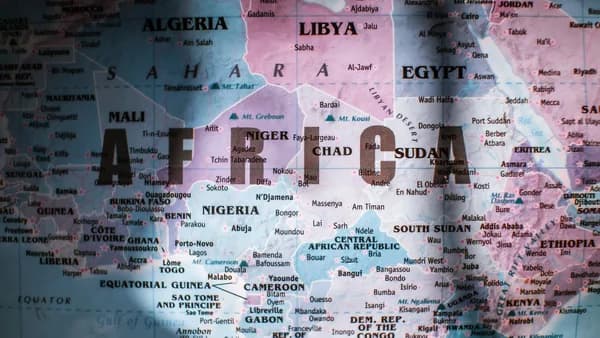 Global Trends
Nigerian Army Frees 33 Hostages in Gunfight Rescue
Nigerian troops rescued all 33 people abducted just one day earlier in a firefight, forcing the kidnappers to flee into the bush.
Aug 9, 20264 min
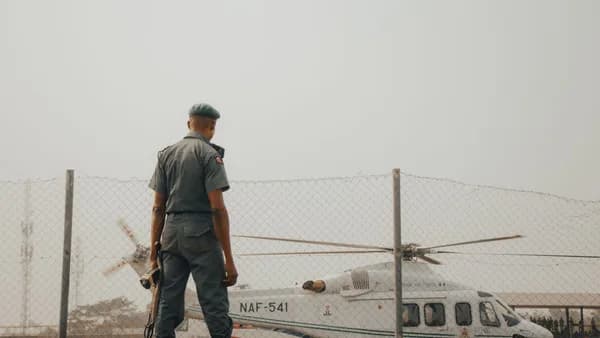 Global Trends
Nigeria Rescues 308 Hostages in Historic Militant Raid
Nigerian security forces rescued 308 hostages from militants, marking the largest single recovery in the country's history, yet it highlights a kidnapping epide
Aug 6, 20268 min
 Global Trends
Nigeria Frees 308 Hostages in Single Raid, Breaking Kidnap Cycle
A coordinated military operation freed 308 abducted civilians in a single Nigerian national park, marking a rare, large-scale tactical win against criminal gang
Aug 6, 20265 min
 Global Trends
Secret Service Decoy Lures Assassins Away From Trump
The Secret Service protects presidents through a constant, high-stakes shell game of decoy limousines, fake motorcades, and secret aircraft swaps designed to ma
Aug 12, 20267 min
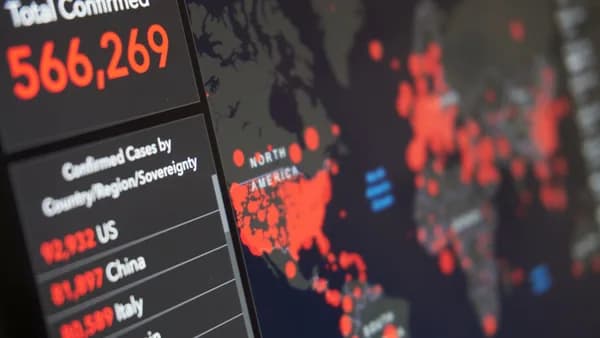 Global Trends
Oil Plunges 2% on Secret Iran Peace Deal Hints
Crude oil prices dropped 2% on unconfirmed reports that a ceasefire deal between the U.S. and Iran could reopen the Strait of Hormuz, despite ongoing attacks on
Aug 10, 20267 min
 Fintech
Young Members Say 'Buy Bitcoin' to Struggling Credit Unions
A generational rift is opening inside credit unions as younger members demand crypto services that cautious leadership, worried about security, refuses to provi
Aug 14, 20266 min
 Trading
Cooling Inflation Crushes Dollar as Fed Hike Bets Vanish
A weak Producer Price Index report for July has dramatically lowered expectations for a Federal Reserve rate hike, sparking a sharp selloff in the US Dollar Ind
Aug 14, 20266 min
 Technology
Flock Safety Builds Nationwide Panopticon for Profit
A private corporation is building a nationwide, AI-powered surveillance network that tracks all vehicle movements, shifting policing from targeted investigation
Aug 14, 20265 min
 Technology
Solar AirTag Rival Beats Dead Battery Glitch
The Ugreen Finder Pro uses a solar panel to top up its sealed battery, aiming for a two-year lifespan to eliminate the dead-battery risk of standard trackers.
Aug 14, 20268 min
 Technology
Boeing Dumps Its Air Taxi Bet For Archer Aviation Stake
Boeing is trading its entire urban air mobility portfolio, including Wisk Aero, to rival Archer Aviation in exchange for a nearly 20% strategic stake, offloadin
Aug 14, 20266 min
Don't miss the signal
Get our weekly roundup of the stories that matter across tech, fintech, and trading. No noise, just signal.
Free forever. No spam. Unsubscribe anytime.