The BBC has asked FIFA president Gianni Infantino if he has the support of football's South American governing body, Conmebol, according to BBC reporting. Infantino, who did not answer the questions, was there for a presidential inauguration, but the encounter underscores his global isolation. His controversial FIFA Forward Enterprise (FFE) proposal, which would have allowed private investment into properties like the World Cup, collapsed last week after a massive internal and external backlash.
Infantino's emergency move was to summon his management board to Morocco. There, he received a "reaffirmed… full support" from executives like Secretary General Mattias Grafstrom, who had earlier called the situation "a sad and reproachable series of events." This internal backing, as we detailed in prior coverage, allowed him to survive an immediate coup.
But the external condemnation is widespread and cutting.
Who is demanding change?
- UEFA: European football's governing body stated it has "lost confidence" in Infantino's leadership and threatened legal action. Several of its members, including Wales, withdrew support for his re-election.
- High-Profile Critics: Former FIFA presidential candidate Luis Figo said Infantino has "debased the office" and called for his immediate resignation. Canadian Prime Minister Mark Carney also said he no longer had confidence in the FIFA chief.
- Internal Defectors: Infantino's own senior adviser on global strategy, Carlos Cordeiro, quit over the plan, calling it "a bad deal for football" that would "mortgage football's future." FIFA's Chief Operating Officer said the plan was "the project of one person."
The core grievance was the proposal's structure and the pressure applied. Infantino had offered all 211 member associations $40m (£30m) if they backed the FFE plan by a September 19 deadline. Prince Ali of the Jordanian Football Association accused FIFA of creating a situation which "amounts to blackmail" over unpaid prize money and support.
"Infantino has debased the office that he promised to elevate. It is too late to save his dignity but it is not too late to save football.", Luis Figo, former footballer and FIFA presidential candidate.
Following the Morocco meeting, FIFA issued a statement acknowledging "mistakes" and that the process should have been handled differently. Infantino and Grafstrom also sent a signed apology letter to FIFA's global members, committing that such errors would "not happen[] again."
XOOMAR Analysis: The apology is tactical, not transformational. By securing the management board's support first, Infantino has insulated himself from internal dismissal. The statement also contained a warning: FIFA "will no longer tolerate any attacks on its integrity." This frames future criticism as an attack on the institution itself, a classic consolidation tactic.
The question is not if Infantino will quit, he shows every sign of fighting for a fourth term, but whether the opposition can organize.
What happens next?
- The Election Calendar: Rivals have until November 18 to declare candidacy. The election is set for March 2027 in Morocco. A candidate needs 106 votes from the 211 members.
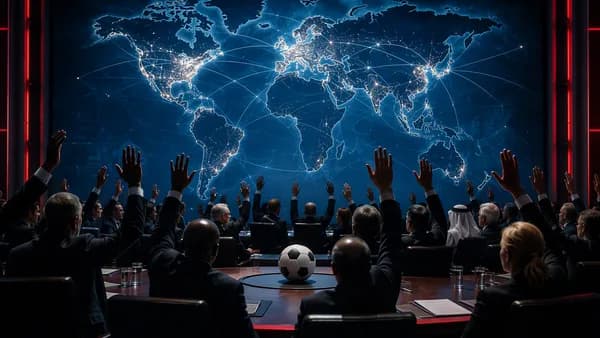
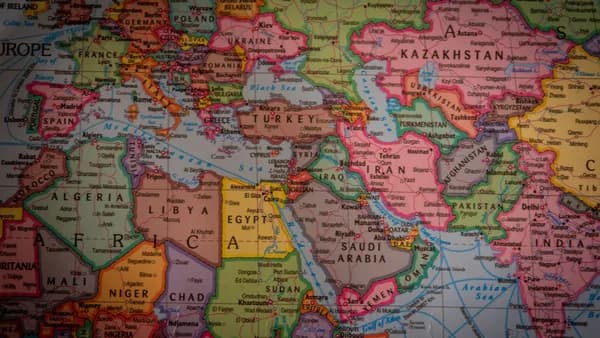
- UEFA's Uphill Battle: While Europe is furious, it cannot unseat Infantino alone. It needs other regional confederations to join. So far, only Concacaf criticized him, and only Jordan has publicly called for his resignation from outside Europe. Africa and Asia have shown significant support.
- Potential Escalation: Opponents could try to force an emergency FIFA Council meeting or an extraordinary congress of all member associations, but both require thresholds of support that currently seem out of reach.
The failed $40m pitch has exposed a deep governance crisis, but it has also revealed the entrenched political machinery Infantino controls. His survival now depends on maintaining that confederation support while his opponents race to build a viable coalition before the November deadline, a dynamic similar to the factional battles seen in U.S. political primaries. The game is no longer about a business plan; it's a raw test of geopolitical alliances within world football.
- The controversy threatens the stability and governance of FIFA, which oversees the world's most popular sport.
- UEFA's loss of confidence and threat of legal action could fracture international football governance.
- The failed $40M private investment proposal reveals deep rifts over the transparency and direction of FIFA's commercial operations.