
Who decided that London temporary housing air conditioning could be treated as optional while children were reportedly being taken to hospital during heatwaves?
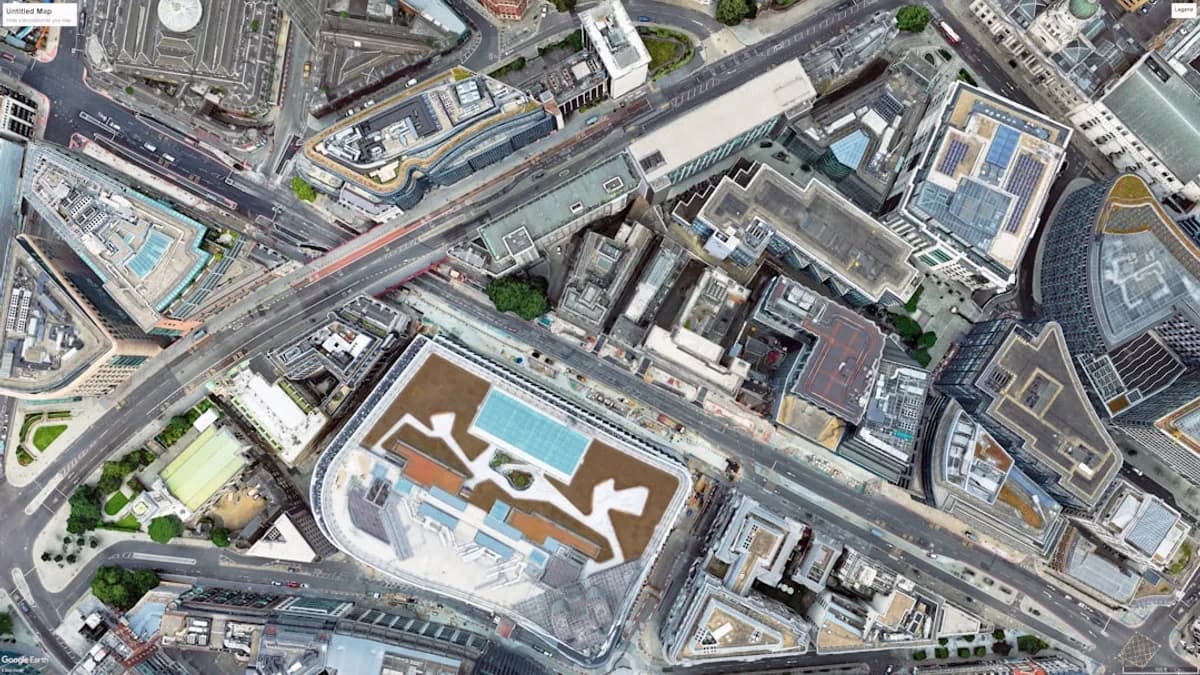
Global TrendsAugust 3, 2026· 7 min read· By XOOMAR Insights Team
London Temporary Housing Blocks AC As Kids Go to Hospital
Updated on August 3, 2026
XOOMAR Intelligence
Analyst Take
69/ 100
4 sources analyzedMedium confidenceTrend10Freshness97Source Trust90Factual Grounding93Signal Cluster20
That is the harder issue inside the Britannia Point case. Homeless families placed in temporary accommodation at the 19-storey glass-fronted block in Colliers Wood were told they could not use the in-built air conditioning because it had “not been offered as an amenity” for them, according to Guardian World. Two children were reportedly taken to hospital during recent heatwaves.
This is not just a dispute about a switch. XOOMAR analysis: the case exposes a weak point in state-arranged housing, where councils place otherwise homeless households into privately managed properties, managers enforce tenancy terms, and families bear the physical risk when those terms collide with heat.
How did Britannia Point turn in-built cooling into a tenancy line?
The reported logic was brutally contractual. The air conditioning was installed in the flats. But for households in emergency accommodation managed under arrangements involving Aura Assets Management, residents were told it “has been switched off”.
The email seen by the Guardian said:
“Air conditioning has not been offered as an amenity under these arrangements, and the units cannot be switched back on as a result. You are welcome to use a portable fan or portable air conditioning unit at your own arrangement in the meantime.”
That sentence is the heart of the story. A system already inside the home was treated as unavailable because of the category of tenancy. The family’s status, not the flat’s physical capability, determined whether cooling counted.
Residents described the building’s all-glass construction and windows that open only slightly as central to the problem. One said: “It is very difficult to cool the flats down.” Another resident, Alice Rogers, said she and her four-year-old son Hassan regularly had to leave the block because of the heat.
“Whether you open it or close it, it’s just literally the same,” Rogers said of the window. “My son had a nosebleed the other day and was faint. I’m very much worried about his life.”
XOOMAR analysis: once heat is making children ill, cooling stops looking like a comfort feature. In this case, the distinction between “amenity” and safety measure became untenable.
Why does the London temporary housing air conditioning dispute matter beyond one tower?
Temporary accommodation, as described in the source, is where councils place otherwise homeless households for periods that can last “from weeks to years.” That matters. A short emergency placement can become a long stay, and conditions that might be tolerable for a few nights can become dangerous when families are living there through repeated heatwaves.
Britannia Point is owned by Criterion Capital, set up by billionaire property magnate Asif Aziz. The temporary accommodation tenancies are managed separately by lettings agencies, including London-based Aura Assets Management.
That structure leaves a basic accountability question. If a council places a family, a private owner owns the block, a managing agency handles the tenancy, and building management controls services, who acts first when the flat becomes unsafe?
The source does not answer that. It does show the result: families were told to use fans or arrange portable cooling while in-built systems sat unavailable.
Some residents also said they were told that using the air conditioning could trigger billing through a standing charge rather than actual running time, with summer bills of up to £500. Aura later said it encouraged “sensible, rather than continuous, use” to help residents avoid “unexpectedly high utility bills”.
| Issue at Britannia Point | Source-supported detail |
|---|---|
| Building design | Glass-fronted block, windows open only slightly |
| Cooling access | Residents were told air conditioning “has been switched off” for emergency accommodation |
| Health reports | Two children reportedly taken to hospital during heatwaves |
| Potential costs | Some residents said bills could reach up to £500 for the summer |
| Company response | Aura said the air conditioning is now “fully operational” |
For wider context on how weather stress is becoming a sharper public issue in the UK, see XOOMAR’s coverage of UK Drought Hits Early as July Rainfall Vanishes in South. The Britannia Point case is narrower, but it sits inside the same practical question: what happens when buildings and contracts are tested by hotter conditions?
Why did the rule change only after residents reported harm?
Aura Assets Management told the Guardian that the air conditioning was now “fully operational and tenants have been advised that they are welcome to use it”.
The company said:
“Given the exceptionally warm weather this summer, we have also encouraged sensible, rather than continuous, use, simply to help residents avoid unexpectedly high utility bills – not to discourage use of a service that exists for their comfort.”
When asked about the earlier email saying temporary accommodation residents were not given access to air conditioning, Aura said it “was issued by the building management based on the information and operational arrangements in place at the time”. The company said the email went to a “couple of flats” and added: “The situation has since changed.”
That explanation raises the central governance problem. If the arrangement could change after complaints and reported hospitalisations, why was the restriction applied during heatwaves in the first place?
Stuart Neaverson, a Labour councillor in Merton, said he had been told about two children being taken to hospital because of the heat. He called the situation “disgraceful”.
“With another heatwave imminent, it’s vital that air conditioning is restored immediately to everyone in the tower to help prevent a tragedy,” Neaverson said.
XOOMAR analysis: the reputational risk for housing providers is now obvious. A clause that may appear defensible in a contract can look indefensible when the affected residents are homeless families and the disputed service is already installed in the flat.
What should councils and providers learn from the Britannia Point air conditioning row?
For families in temporary accommodation, the practical lesson is grim but clear. They need written confirmation of what services are available, how heating and cooling work, who pays, and how urgent complaints are escalated. That burden should not sit mainly on residents, but the Britannia Point case shows why ambiguity can become dangerous.
For councils, the issue is placement quality. The Guardian source says councils place otherwise homeless households in temporary accommodation managed through separate arrangements. XOOMAR analysis: if a council uses a property with installed cooling, glass frontage, and limited window opening, it should know whether residents can actually use the cooling before families move in.
For managing agents, the lesson is sharper. Service specifications cannot ignore living conditions. If a home overheats and a child becomes ill, “not offered as an amenity” is not a persuasive public answer.
For readers tracking London’s built environment battles, this also echoes a broader governance theme in our coverage of High Court Derails Spurs Training Plan in Whitewebbs Park: who gets to decide how shared urban space is used, and who carries the cost when those decisions go wrong?
Which question will stay open through the next heatwave?
The unresolved question is whether Britannia Point becomes a one-off reversal or a warning for every council and provider using privately managed temporary accommodation.
Evidence that would confirm real change is concrete: written rules giving temporary residents access to installed cooling during heat alerts, clear billing terms, emergency escalation routes, and audits of glass-heavy buildings where windows barely open.
Evidence that would weaken the lesson is equally clear: families still relying on complaints, councillors, and MPs to activate basic environmental controls already built into their homes.
As London temporary housing air conditioning moves from a property-management detail to a safety issue, the Britannia Point case sets a test. If another heatwave hits, decision-makers will not be able to say they did not know how quickly an “amenity” can become a medical risk.
Impact Analysis
- The case raises questions about whether temporary accommodation standards are fit for worsening heatwaves.
- Families’ tenancy status reportedly determined access to cooling already built into their homes.
- Children being taken to hospital highlights the potential health risks of treating cooling as optional.
Cooling options for families at Britannia Point
| Option | Status described | Impact on residents |
|---|---|---|
| In-built air conditioning | Installed in flats but reportedly switched off because it was not offered as an amenity | Families could not use existing cooling during heatwaves |
| Portable fan or portable air conditioning | Residents were told they could use one at their own arrangement | Cooling burden shifted to families in temporary accommodation |
Sources

Written by
XOOMAR Insights Team
Research and Editorial Desk
The XOOMAR Insights Team pairs automated research with human editorial judgment. We track hundreds of sources across technology, fintech, trading, SaaS, and cybersecurity, cross-check the facts, and explain what happened, why it matters, and what to watch next. We do not just rewrite headlines. Every article is fact-checked and scored for reliability before it goes live, and we link back to the original sources so you can verify anything yourself.
Explore More Topics
Related Articles
 Global Trends
UK Drought Hits Early as July Rainfall Vanishes in South
England and Wales face an early drought after record heat and near-zero July rain, while winter-filled reservoirs keep taps safer for now.
Aug 2, 20267 min
 Global Trends
High Court Derails Spurs Training Plan in Whitewebbs Park
Spurs lost permission for its 16-acre Whitewebbs Park academy after a judge found Enfield councillors were materially misled.
Aug 2, 20268 min
 Global Trends
Gatwick Airport Water Outage Shuts Toilets, Restaurants
A water outage shut toilets and restaurants across Gatwick’s terminals after a treatment plant power failure hit pressure.
Jul 26, 20266 min
 Technology
Founder Burnout Gets Evicted at London's Hacker House
Lift House is betting founders build better when sleep, food, and community count as strategy, not weakness.
Aug 1, 20268 min
 Technology
YouTube Premium Peacock Deal Smuggles Ads Into Bundle
YouTube Premium will add Peacock in 2027, turning an ad-free subscription into a messier streaming bundle.
Aug 3, 202611 min
 Fintech
85 Jobs Vanish as Uphold Layoffs Chase Bank Revenue
Uphold cut 85 roles, 17% of staff, as weak retail crypto trading pushed it toward banks, fintechs and enterprise services.
Aug 3, 20268 min
 Global Trends
Second US Consulate Toronto Shooting Rattles Downtown
Gunfire near the US consulate in Toronto marks the second incident in four months, with no injuries and no suspect named.
Aug 3, 20266 min
 Cybersecurity
Retail Phone Scams Sweep 69% of Retailers as Theft Falls
Retailers are curbing shoplifting, but fraud is migrating fast. NRF says 69% saw retail phone scams rise.
Aug 3, 20268 min
 Trading
USD/JPY Cracks 155.50 as US Joins Japan Yen Rescue
USD/JPY slid to 155.45 after Japan said it coordinated yen buying with the US, putting traders on alert for more intervention.
Aug 3, 20266 min
 Trading
Chip Sell-Off Cracks Dow Jones Industrial Average Rally
The Dow rallied on ceasefire hopes, then faded as China-linked chip selling stole the tape.
Aug 2, 20267 min
Don't miss the signal
Get our weekly roundup of the stories that matter across tech, fintech, and trading. No noise, just signal.
Free forever. No spam. Unsubscribe anytime.