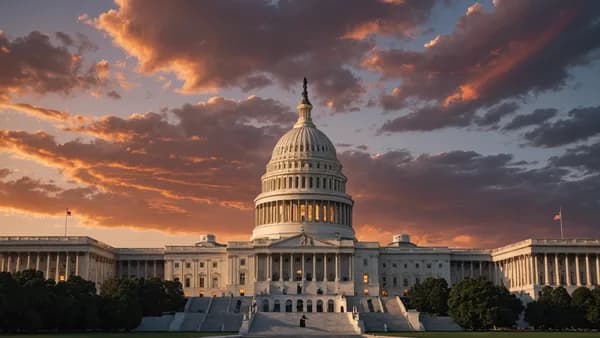
The Paramount Warner Bros deal has moved from merger review to courtroom fight, with 12 state attorneys general arguing that Hollywood scale would come at the expense of theaters, cable distributors, and viewers. The lawsuit, led by California Attorney General Rob Bonta, seeks to block Paramount Skydance’s $110 billion acquisition of Warner Bros. Discovery, according to TechCrunch.
XOOMAR Intelligence
Analyst Take
The deeper signal is blunt: state antitrust officials are not treating this as a routine studio combination. They’re framing the Paramount Warner Bros deal as a direct test of who controls film distribution, basic cable licensing, and the paths audiences use to find major entertainment.
The $110B Paramount Warner Bros deal turns Hollywood scale into an antitrust target
The states’ case rests on a simple claim: combining Paramount Skydance and Warner Bros. Discovery would reduce competition in three markets, wide release theatrical film distribution, “top-grossing” theatrical distribution, and basic cable licensing.
That matters because this deal would put major film studios, streaming platforms, and TV networks under one corporate roof. The combined company would include Paramount+, HBO Max, CBS, MTV, CNN, and HBO, according to the source material.
Paramount’s argument is that scale would support output. The company has said the combined film studios would release 30 movies a year. The states see the same scale as bargaining power, and not the healthy kind.
“Consolidation here not only leads to higher prices — it also leads to fewer opportunities for important stories to come to life, and fewer ways for audiences to encounter stories, ideas, and perspectives beyond their own experiences,” Bonta said in a statement. “In this country, no one is above the law. With this lawsuit, California and our sister states are fighting for free and fair markets, not rigged markets. America has no kings in government or our economy.”
XOOMAR analysis: that quote shows the states are making a dual case. One part is economic, higher prices and weaker competition. The other is cultural, fewer routes for films and shows to reach audiences. Courts will care most about the antitrust record, but the public argument is broader.
Inside the states' case against Paramount's Warner Bros acquisition
The lawsuit invokes the Clayton Act, which bars mergers that may substantially lessen competition or tend to create a monopoly. That “may” matters. The states do not need to prove harm has already happened. They need to persuade the court that the acquisition creates a serious risk in defined markets.
The coalition includes California, Arizona, Colorado, Connecticut, Massachusetts, Minnesota, Nevada, New Jersey, New Mexico, New York, Oregon, and Washington.
Their core allegations break down this way:
- Theatrical distribution: The merger would combine two major suppliers of wide release films.
- Top-grossing films: The states argue the deal would reduce competition in anticipated blockbuster distribution.
- Basic cable licensing: A combined network portfolio could give the merged company more power in negotiations with distributors.
The case also creates a timing problem. Warner Bros. Discovery shareholders approved the deal in April, and Paramount CEO David Ellison said in May that the transaction was on track to close by September. The U.S. Department of Justice has already cleared the deal, saying the transaction is not likely to harm competition or consumers.
That federal clearance did not end the matter. State attorneys general can still sue under federal antitrust law, and this case shows how state enforcement can become the last major domestic obstacle after Washington steps aside.
The numbers behind a $110B Hollywood merger fight
The states’ concentration math is the sharpest part of the complaint. They argue the merged company would control:
| Market area | State AGs' alleged combined share |
|---|---|
| U.S. film distribution market | 27% |
| Blockbuster movie distribution | 30% |
| Basic cable channel market | 27% |
Those figures are not just headline numbers. They define how the states want the court to view the Paramount Warner Bros deal: not as a content library transaction, but as a merger that changes negotiation dynamics across theaters and cable distribution.
Related reporting cited in the supplied material adds that the complaint says only three distributors would control roughly 75% of wide-release theatrical films after the merger, while four companies would account for about 86% of those releases. In anticipated top-grossing films, the attorneys general say four studios would control more than 90%.
XOOMAR analysis: if the court accepts those market definitions, Paramount has a tougher fight. If the court instead gives more weight to broader competition across streaming and entertainment, the states’ case gets harder. The lawsuit is likely to turn on market boundaries as much as market shares.
Theater owners, cable companies, streamers, and viewers all face different risks
The states say the merger would harm movie theaters, basic cable distributors, and audiences. Each group faces a different version of the same problem: fewer major counterparties to negotiate with.
For theaters, the concern is film supply. A studio with more must-see releases could have more room to push terms around theatrical access, release timing, or premium screens. The source material says the attorneys general allege harm in wide release and top-grossing theatrical distribution, which points directly at that bargaining relationship.
For cable distributors, the concern is licensing. A larger bundle of channels, combining assets such as CBS, MTV, CNN, and HBO, could make negotiations less flexible. The states specifically identify basic cable licensing as one of the affected markets.
For viewers, the result is less immediate but still concrete. The states allege higher prices, fewer choices, and less variety in the stories that reach audiences. Paramount counters that the deal would support more output, including the promised 30 movies a year.
| Stakeholder | Risk alleged by states | Paramount-side argument in the source record |
|---|---|---|
| Theaters | Less competition for theatrical film supply | Combined studios would release 30 movies a year |
| Cable distributors | Weaker negotiating position in channel licensing | Deal cleared by the DOJ |
| Audiences | Higher prices and fewer choices | Larger combined libraries and output could support more content |
| Creators | Fewer routes for projects to get made | Paramount has argued the deal would create more avenues for work |
For separate XOOMAR consumer coverage outside media M&A, see our report on the Sonos Ace Deal Slashes $120 Off Premium ANC Headphones.
Federal approval did not remove the legal overhang
The DOJ clearance is a major fact in Paramount’s favor, but it is not a shield against state litigation. The Justice Department said the transaction is not likely to harm competition or consumers. The states are saying the opposite, using specific markets and state-led enforcement to force judicial review.
That split raises the cost of closing. Source material from related reports says the coalition has asked the companies not to close until the judicial process concludes, and that the states could seek a temporary restraining order if the companies try to finalize the deal before the court rules.
There is also a financial clock. Related source material says Paramount agreed to a 25-cent per share “ticking fee” if the acquisition does not close by Sept. 30, amounting to $650 million per quarter, and a $7 billion regulatory termination fee.
XOOMAR analysis: those figures make delay expensive even before any final ruling. The states do not need to win immediately to change the deal’s economics. Slowing the close can alter negotiating pressure, investor expectations, and the willingness of the parties to accept concessions.
The next phase will test whether Hollywood can still solve pressure with scale
The near-term path is likely to be procedural but consequential: court scheduling, requests to preserve the status quo, economic models, and fights over how narrowly to define the markets. The most important question is whether the court views the Paramount Warner Bros deal through the states’ categories, theatrical distribution and basic cable licensing, or through a broader entertainment market where the companies argue scale is necessary.
Possible outcomes include an outright block, a settlement with conditions, targeted asset sales, or a narrower structure designed to address theater and cable concerns. None of those outcomes is guaranteed by the current record.
The practical watch item is evidence. The states will need documents, market analysis, and negotiation records showing that Paramount and WBD currently constrain each other in meaningful ways. Paramount will need to show that the merger strengthens output and competition without giving the combined company undue control over theaters, distributors, or audiences.
Hollywood’s survival strategy may be scale. This lawsuit asks whether scale now comes with a courtroom tax.
Impact Analysis
- The lawsuit could determine whether one company can control a larger share of major film, TV, cable, and streaming distribution.
- State antitrust officials are signaling tougher scrutiny of Hollywood consolidation beyond routine federal merger review.
- The outcome may affect theater access, cable licensing costs, streaming choices, and the diversity of stories reaching audiences.
Paramount Warner Bros Deal: Company Case vs. State Antitrust Case
| Issue | Paramount Skydance Position | State Attorneys General Concern |
|---|---|---|
| Merger rationale | Scale would support more output, including 30 movies a year. | Scale would reduce competition across major entertainment markets. |
| Market impact | A larger combined company could compete more effectively. | The deal could harm theatrical distribution, top-grossing film distribution, and basic cable licensing. |
| Audience impact | A broader studio and media portfolio could expand content availability. | Viewers could face higher prices and fewer ways to encounter diverse stories. |
Primary Sources & Disclosures
- [1]TechCrunch
- [2]California’s war on Paramount ramps up as state sues over $110B Warner Bros. deal — despite fears firm will ditch West Coast
- [3]12 states challenge Paramount's takeover of Warner Bros, say merger would 'extinguish competition'
- [4]12 states sue to block Paramount-Warner Bros. Discovery merger

Written by
XOOMAR Insights Team
Research and Editorial Desk
The XOOMAR Insights Team pairs automated research with human editorial judgment. We track hundreds of sources across technology, fintech, trading, SaaS, and cybersecurity, cross-check the facts, and explain what happened, why it matters, and what to watch next. We do not just rewrite headlines. Every article is fact-checked and scored for reliability before it goes live, and we link back to the original sources so you can verify anything yourself.