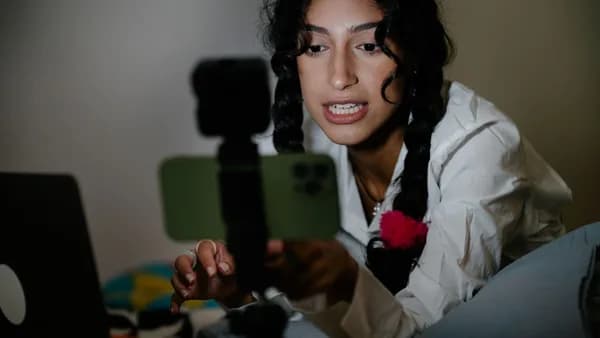
Disney+ is weighing a free Disney+ tier because the streaming fight has shifted from who pays to who watches.
XOOMAR Intelligence
Analyst Take
Disney’s chief product and technology officer Adam Smith discussed the possibility of making some Disney+ content free during a company town hall on Thursday, according to TechCrunch, citing a Business Insider report. The company hasn’t said which shows or movies would be included, when a tier might launch, or whether it would reach all markets, an issue already visible when free streams lock out countries.
That uncertainty matters. A free Disney+ tier would not be a small pricing tweak. It would be a strategic concession that YouTube, Tubi, and other free services are taking enough viewing time to force even premium franchise owners to rethink the paywall.
Disney+ May Be Ready to Admit the Subscription Ceiling Is Real
The symptom is simple: Disney is exploring free access after years of building Disney+ around must-pay franchises like Marvel, Star Wars, Pixar, and Disney Animation. The underlying condition is harsher. Streaming services keep raising prices, while viewers keep finding enough entertainment, including Entanglement on Tubi, on free, ad-supported platforms.
TechCrunch reports that free content would help Disney+ compete with YouTube and Tubi, which are taking a growing share of viewing time. That frames the core problem for Disney. A subscription service only monetizes people willing to pay. A free tier monetizes everyone else, if they watch enough ads.
A person familiar with Disney's streaming strategy said the free plan is "part of an ongoing discussion about concepts to better serve fans."
XOOMAR analysis: the phrase “better serve fans” sounds softer than the business logic underneath it. Disney needs a wider funnel. A free Disney+ tier could pull in casual viewers who won’t commit to a monthly bill but might watch familiar family or franchise programming if the cost is zero.
The risk is just as clear. Disney has spent years telling consumers that its library is premium. If too much of that library becomes free, some households may learn to wait, sample, and downgrade.
The Numbers Behind Disney's Free Streaming Temptation
The data explains why this discussion is happening now. According to Nielsen data cited by TechCrunch, free streaming services represented 18.7% of U.S. television watch time in April 2026, up from 16.8% in April 2025 and 12.7% in April 2024.
That is not a rounding error. It shows free viewing gaining share on the TV screen, where subscription streamers have spent years trying to replace cable habits.
| Model | Disney's trade-off |
|---|---|
| Paid Disney+ | Higher direct revenue per paying household, but limited to users willing to subscribe |
| Ad-supported Disney+ | Lower price point, with ad revenue layered on top |
| Free Disney+ tier | Bigger reach and more ad inventory, but greater cannibalization risk |
Disney already offers paid ad-supported options. Related reports put the Disney+ and Hulu bundle at $12.99 a month with ads or $19.99 without ads. A free tier would sit below that, likely as a sampling layer rather than a full replacement.
XOOMAR analysis: that makes the product design crucial. If Disney gives away older or limited content, it can use free viewing as a feeder into paid plans. If it gives away too much, it weakens the reason to subscribe.
This is the same pressure driving broader experimentation with passive and lower-friction viewing formats. For related context, see our analysis of Netflix Always-On Channels Expose Streaming's Choice Trap.
YouTube and Tubi Are Forcing Disney+ to Fight for Attention, Not Just Subscribers
Disney’s problem is no longer only Netflix or Amazon Prime. The sharper threat is time spent elsewhere.
TechCrunch names YouTube and Tubi as free services capturing a growing share of consumer viewing time. That matters because attention is the raw material for both subscriptions and advertising. If viewers build daily habits inside free platforms, Disney risks becoming an occasional destination, something households turn on for a major release and cancel when the habit fades.
Tubi’s pressure is especially uncomfortable for premium services because its pitch is low friction: open the app, watch without a monthly bill. Disney+ has stronger brands. Tubi has easier access. YouTube has scale and habit. Those are different weapons, but they all attack the same scarce resource: viewing hours.
XOOMAR analysis: a free Disney+ tier would be Disney’s attempt to lower the door without tearing down the house. It gives non-subscribers a reason to open Disney+ before they decide whether to pay.
For another angle on how YouTube is pressuring premium streaming behavior, read our coverage of YouTube's pressure on Netflix viewing habits.
From Paid Library to Free Access, Disney Keeps Adjusting Distribution
Disney+ launched in November 2019 in the U.S., Canada, and the Netherlands after Disney’s distribution deal with Netflix expired, according to the supplied reports. That launch was built on control. Disney pulled major brands into one paid home and asked fans to come directly to it.
Now the company is considering the opposite move for at least some content: removing the paywall.
That doesn’t mean Disney is abandoning subscriptions. The current reporting says only that Disney is discussing making “some” of its streaming library available for free. No timeline. No title list. No launch plan.
Still, the direction is telling. Disney has already moved from a pure subscription pitch to ad-supported plans and bundles. A free Disney+ tier would extend that logic further, putting free sampling at the top of the funnel and paid entertainment underneath it.
The strongest version of this strategy is controlled scarcity inside abundance. Disney can make enough available to build habit, but hold back enough to preserve paid demand.
Advertisers, Families, Investors, and Rivals Will Read Disney's Free Tier Differently
Advertisers would likely see a free Disney+ tier as attractive inventory, based on XOOMAR analysis, because Disney content is familiar, franchise-heavy, and family-facing. The source material does not say how Disney would sell ads or whether targeting would connect across Disney+ and Hulu.
Families may read the move more simply: free Disney content is cheaper than another subscription. But Disney would need tight controls around ad quality, children’s viewing, and which titles sit outside the paywall. The reporting gives no detail on those rules.
Investors would ask a harder question. Does free viewing create profit, or does it train existing subscribers to downgrade? The Nielsen numbers show why Disney might test the idea. They don’t prove the economics will work.
Rivals would watch the boundaries. Netflix and Amazon Prime are named by TechCrunch as Disney’s streaming peers, while Apple TV+ and Paramount+ already let non-subscribers access a few free episodes. If Disney goes further, the competitive response may depend less on the word “free” and more on how much high-value content Disney is willing to expose.
A Free Disney+ Tier Would Make Streaming Choices Messier
For consumers, the near-term result would be more choice, more ads, and more tier confusion. A household could pay for Disney+, watch a cheaper ad-supported bundle, or sample a free tier if Disney launches one.
For Disney, the likely content rules are the whole story. The report does not say what would be included, but the business logic points toward limits: selected episodes, older library titles, family programming, promotional franchise windows, or other content designed to push upgrades. That is analysis, not confirmed detail.
Too little free content would fail to compete with YouTube and Tubi. Too much would turn Disney+ from a premium service into another ad shelf.
Disney's Next Streaming Test Is Free Sampling Without Brand Damage
The practical watch item is not whether Disney can make something free. It can. The harder test is whether a free Disney+ tier can rebuild viewing habits without cannibalizing the paid base.
Evidence that would support the strategy:
- Content limits: Disney keeps major originals and current franchise releases behind paid plans.
- Ad demand: Advertisers show interest in Disney’s free inventory without forcing heavy ad loads.
- Conversion: Free users move into paid Disney+ or Disney+ and Hulu bundles.
- Viewing habit: Disney+ becomes a more frequent destination, not just a release-driven app.
Evidence that would weaken it:
- Subscriber downgrades: Existing users shift to free instead of paying.
- Weak catalog pull: Free titles fail to compete with YouTube and Tubi for time spent.
- Brand dilution: Disney+ starts feeling less premium without gaining enough reach.
The thesis is clear: Disney is considering free access because attention has become the scarce asset. If it executes carefully, free Disney+ could become a powerful front door. If it gets sloppy, Disney risks teaching viewers that the paywall was optional all along.
The Bottom Line
- Disney considering free access signals that subscription growth may be hitting a ceiling.
- A free tier could help Disney compete for viewing time against YouTube, Tubi, and other ad-supported platforms.
- The move could reshape how premium streaming services balance subscriber revenue with ad-supported reach.
Disney+ Free Tier vs. Subscription Model
| Model | What It Does | Strategic Tradeoff |
|---|---|---|
| Paid Disney+ subscription | Monetizes viewers willing to pay for premium franchises like Marvel, Star Wars, Pixar, and Disney Animation. | Limits reach as subscription fatigue grows. |
| Potential free Disney+ tier | Would let non-paying viewers access some content supported by ads. | Expands audience but risks weakening the paywall around premium content. |
| Free rivals like YouTube and Tubi | Compete for viewer time with no subscription cost. | Pressure premium streamers to offer broader free access. |
Primary Sources & Disclosures

Written by
XOOMAR Insights Team
Research and Editorial Desk
The XOOMAR Insights Team pairs automated research with human editorial judgment. We track hundreds of sources across technology, fintech, trading, SaaS, and cybersecurity, cross-check the facts, and explain what happened, why it matters, and what to watch next. We do not just rewrite headlines. Every article is fact-checked and scored for reliability before it goes live, and we link back to the original sources so you can verify anything yourself.