Mobileye will launch its own U.S. robotaxi service in 2027, a move that turns the Intel subsidiary from an autonomous-driving supplier into a direct operator. That matters most to the automakers and mobility companies that buy, or may buy, Mobileye’s tech, because the company is now preparing to sit on both sides of the AV business.
XOOMAR Intelligence
Analyst Take
The Israeli autonomous-driving company said Tuesday it plans to start with 100 autonomous vehicles in an unnamed U.S. city, phased in throughout 2027, according to TechCrunch. If the rollout works, Mobileye said it wants to scale to about 17,000 robotaxis over the following five years.
Mobileye robotaxi service shifts the company from supplier to operator
Mobileye built its reputation selling computer-vision chips and driver-assistance technology to automakers. It later moved into self-driving chips and software, including Mobileye Drive, and now supplies self-driving systems to Volkswagen and its MOIA subsidiary.
The 2027 U.S. launch changes the posture. Mobileye won’t just provide the autonomous-driving stack. It plans to create a new operating business, manage the fleet, and use Moovit, the transit and ride-hailing app it owns, for the consumer-facing side of the service.
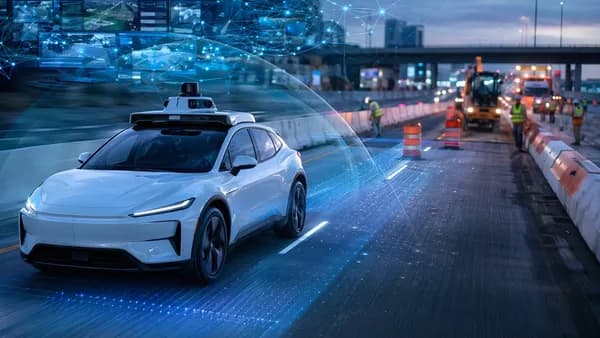
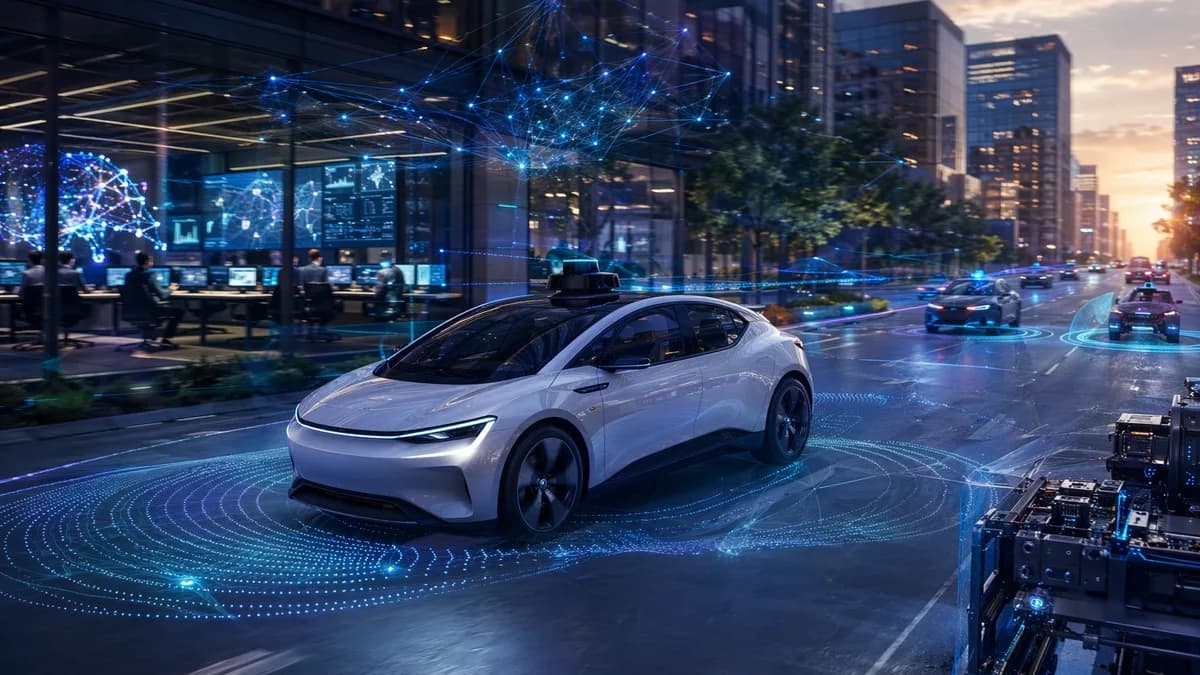
The company has not named the U.S. city, the launch footprint, the pricing model, or the vehicle partner. It said only that it will work with “AV-ready vehicle platform manufacturers.” TechCrunch noted that Mobileye’s press image appears to show a modified Ora iQ, an electric crossover from China’s Great Wall Motors, but Mobileye has not confirmed that as the fleet vehicle.
“The robotaxi revolution has only just begun, and its potential for transforming how we travel around the world continues to increase,” Mobileye founder and CEO Amnon Shashua said.
The practical question is simple: can a company known for selling AV systems run the messy parts of transportation, including vehicles, riders, local rules, uptime, and service quality?
Automakers now face a supplier that may also become a mobility rival
Mobileye says the robotaxi plan complements its supplier business. That is the message it needs automakers to believe.
Shashua put it directly:
“This initiative is not a replacement for our existing partnerships; it is an extension of them,” Shashua said. “We remain deeply committed to enabling automakers and mobility providers with Mobileye Drive. At the same time, operating our own service allows us to accelerate adoption, gain direct operational experience, and showcase the full potential of autonomous mobility.”
That argument has logic. Running its own Mobileye robotaxi service gives the company control over deployment standards, fleet data, rider experience, safety validation, and operating costs. It can learn from real riders and real streets without waiting for every partner’s timeline.
The risk is just as clear. Automakers and fleet operators may ask whether Mobileye can remain a neutral supplier while also building a service that could compete with future mobility customers. Reuters reported that the move puts Mobileye in direct competition with some of the customers it serves.
| Mobileye role | Strategic upside | Strategic tension |
|---|---|---|
| AV supplier | Sells chips, software, and self-driving systems to partners | Depends on customer launches and partner execution |
| Robotaxi operator | Controls fleet data, rollout pace, and rider experience | May worry customers that Mobileye is becoming a rival |
This is the same strategic tension seen across AI businesses: vendors want to sell the tools, then prove the tools by owning more of the workflow. XOOMAR has tracked that pressure in enterprise AI, including LLM platforms for business that slash busywork in 2026 and no-code RAG chatbot builders fighting for company docs. Mobileye is making a similar bet in physical infrastructure, where failure is costlier and more visible.
Riders will see Moovit on the front end, but many service details are still missing
For riders, the first visible piece may be Moovit, not the self-driving system. Mobileye said Moovit will handle the consumer-facing portion of the robotaxi service, while Mobileye manages the fleet behind it.
That gives the company a ready-made mobility interface, but it doesn’t answer the rider-level questions. Will the first service be paid public rides or a smaller pilot? Will it cover downtown trips, airport routes, suburbs, or a controlled operating zone? How quickly will vehicles arrive, and how will remote support work when a vehicle gets stuck?
The city choice will shape the answer. Weather, road complexity, political support, airport access, and existing ride-hailing patterns can determine whether a robotaxi service scales or stalls. Mobileye has not disclosed enough to judge the first market.
A 100-vehicle fleet is meaningful, but it is still a staged launch. The company said the vehicles will be phased in through 2027, which gives Mobileye time to adjust the hardware, software, and operations before attempting anything close to its stated 17,000-vehicle ambition.
The hard part for riders won’t be whether the app works. It will be whether Mobileye can make driverless rides feel routine enough that people stop treating them as a demo.
Robotaxi rivals get a new operator with supplier economics behind it
The U.S. robotaxi field already includes companies trying to move from limited service to broader commercial deployment. Reuters named Alphabet’s Waymo, Amazon’s Zoox, and Tesla’s self-driving vehicles as players Mobileye would compete with.
Mobileye’s difference is its supplier base. The company has spent years selling driver-assistance and autonomous-driving technology into the auto industry, rather than building a consumer robotaxi brand first. That could help if its existing technology shortens deployment time. It could hurt if running a fleet pulls engineering focus away from partners.
Ars Technica reported that Mobileye was bought by Intel in 2017 and went public again in 2022. It also noted that Mobileye previously worked with Tesla on advanced driver-assistance systems before that relationship ended in 2016.
The immediate competitive question is not whether Mobileye can announce a robotaxi plan. It is whether it can prove the system in paid, repeatable, city-scale operations.
Investors will grade Mobileye on execution, not ambition
Markets will judge the Mobileye robotaxi service by milestones, not slogans.
The next facts to watch are specific:
- City selection: Mobileye’s first U.S. market will reveal how hard a deployment it wants to attempt.
- Vehicle partner: The platform choice will show whether Mobileye is optimizing for cost, availability, or technical fit.
- Driverless approval status: Permits, safety approvals, insurance, and local support will decide the launch pace.
- Fleet growth: The path from 100 vehicles to 17,000 robotaxis is the whole investment case.
- Service model: Paid public rides would signal a different level of readiness than a narrower pilot.
The Intel angle also matters. Mobileye remains a major autonomous-driving asset tied to Intel, so progress in robotaxis could affect how investors value Intel’s exposure to AV software, chips, and mobility services.
If Mobileye executes, it strengthens its claim as a full-stack AV company: chips, software, app, fleet, and operations. If it stumbles, the supplier-operator strategy could look like a capital-heavy distraction from a business that already sells into automakers.
For now, the watch item is the unnamed city. Once Mobileye names the market, vehicle platform, and launch format, investors and partners will know whether this is a cautious pilot or the start of a real operator business.
The Bottom Line
- Mobileye’s 2027 robotaxi launch would move it beyond supplying AV technology into running a consumer mobility service.
- The shift could complicate relationships with automakers and mobility companies that buy or may buy Mobileye’s systems.
- Scaling from 100 vehicles to about 17,000 would test whether Mobileye can operate AV fleets, not just power them.
Mobileye’s AV Business Shift
| Role | What Mobileye Does | Key Implication |
|---|---|---|
| Supplier | Sells chips, driver-assistance tech, and self-driving systems to automakers and mobility companies | Partners rely on Mobileye as a technology vendor |
| Operator | Plans to run its own U.S. robotaxi fleet using Mobileye Drive and Moovit | Mobileye may compete more directly with some current or future customers |
Mobileye Robotaxi Fleet Ambitions
Primary Sources & Disclosures

Written by
XOOMAR Insights Team
Research and Editorial Desk
The XOOMAR Insights Team pairs automated research with human editorial judgment. We track hundreds of sources across technology, fintech, trading, SaaS, and cybersecurity, cross-check the facts, and explain what happened, why it matters, and what to watch next. We do not just rewrite headlines. Every article is fact-checked and scored for reliability before it goes live, and we link back to the original sources so you can verify anything yourself.