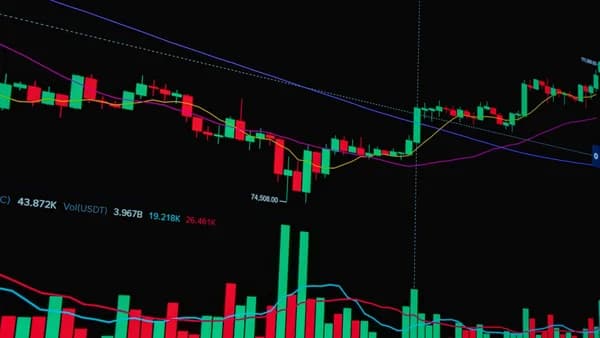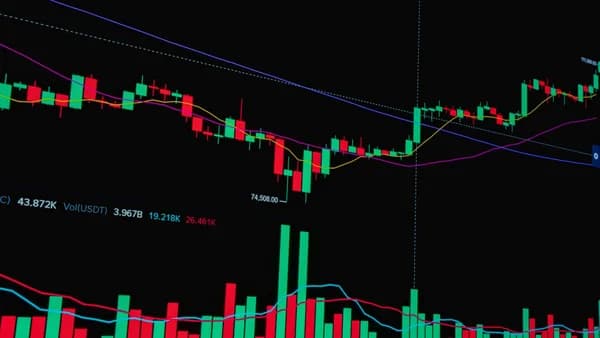
Strategy bitcoin sales have turned Michael Saylor’s accumulation thesis into a stress test for capital allocation, after the company sold $216 million worth of bitcoin, disclosed an $8.31 billion unrealized quarterly loss, and left investors trying to decode whether “buy and hold” still means what it used to mean.
XOOMAR Intelligence
Analyst Take
The sequence was jarring: a small sale first, then a purchase of 3,657 BTC, then the unloading of more than 3,500 BTC, according to CoinDesk. The question now sits with MSTR holders, STRC preferred investors, and bitcoin bulls who treated Strategy as the cleanest corporate proxy for bitcoin exposure: is this still conviction, or is it liquidity management?
MSTR holders just watched a bitcoin treasury strategy turn tactical
Strategy’s month began with a tiny disposal: 32 bitcoin in late May. On paper, that amount was trivial relative to the company’s holdings. In signaling terms, it mattered because Strategy has built its public identity around buying bitcoin, not selling it.
CoinDesk reported that bitcoin fell from nearly $74,000 in late May to below $58,000 last week. The timing put Strategy’s trading decisions under a microscope, especially because the company later bought 3,657 BTC at what CoinDesk described as significantly higher prices.
Then came Monday’s sale of more than 3,500 BTC, raising $216 million. Is Strategy still executing a long-term accumulation plan, or has it moved into active balance-sheet defense?
| Strategy move | Reported size | Market read |
|---|---|---|
| Late May sale | 32 BTC | Small in size, large in signaling |
| Subsequent purchase | 3,657 BTC | A return to Saylor’s familiar accumulation posture |
| Latest sale | More than 3,500 BTC, $216 million | A sharper test of dividend coverage, liquidity, and trust |
That is the connecting thread across this roundup: conviction became conditional once cash needs, preferred dividends, and bitcoin drawdowns collided.
Bitcoin bulls got a confidence signal, then a contradiction
The purchase of 3,657 BTC looked, briefly, like a familiar Saylor move. Buy into volatility. Expand the bitcoin stack. Reinforce the brand.
For bitcoin loyalists, that mattered because Strategy has long traded as more than a software company with crypto holdings. It has become a sentiment vehicle for investors who want public-equity exposure to bitcoin’s upside. A buy during stress can steady that story.
But the next sale complicated it. Crypto trader KALEO said on X that after the recent buys and sales, Strategy was left with a net increase of only 69 bitcoin despite deploying roughly $20 million in additional capital. KALEO added that because the company sold coins below the prices it had recently paid, the implied average cost of those additional holdings exceeded $289,000 per bitcoin.
That is not a clean accumulation narrative. It reads like a company trying to manage multiple constraints at once.
For related context on the funding pressure around Strategy’s bitcoin machine, see Cash Crunch Pushes Strategy Bitcoin Buying to Brink. The key issue is no longer just how many BTC Strategy owns. It is how predictable the rules are when volatility hits.
Preferred holders now sit at the center of Strategy bitcoin sales
The latest Strategy bitcoin sales look especially important through the lens of STRC, the company’s high-yielding preferred stock. CoinDesk said Monday’s move will likely signal to investors that Strategy will go to whatever lengths necessary to protect STRC dividends, which now stand at 12% after a recent 50 basis-point increase.
That framing explains the split market reaction. CoinDesk reported that while bitcoin and MSTR were lower Monday, STRC continued to rebound from last week’s low below $75, rising another 2.1% to just shy of $90.
Michael Saylor also tried to frame the stress as a capital-structure test. In a post cited by Forbes, he wrote:
“volatility tests capital structure”
Forbes reported that Saylor said Strategy “remains focused on bitcoin, disciplined capital allocation, credit quality and long-term value creation.”
The problem for common shareholders is that preferred-stock stability and bitcoin accumulation may not always pull in the same direction. If cash must be reserved for dividends, bitcoin buys become harder to justify. If bitcoin is sold to support preferred obligations, the common-stock story loses some of its purity.
That is why STRC is now central to the debate, not a side note. A related read on that pressure point: STRC Selloff Flashes Crypto Bottom as Strategy Fears Fade.
The balance sheet now matters as much as the bitcoin price
Strategy disclosed an $8.31 billion unrealized loss on its bitcoin holdings in the second quarter as bitcoin fell from about $68,000 on April 1 to roughly $60,000 at the end of June. The company also took a $0.9 million realized loss.
Those numbers don’t mean the bitcoin treasury model has failed. They do mean the market now has to price the model with less romance and more arithmetic.
Strategy still holds 843,775 bitcoin, purchased at an average price of $75,476, according to CoinDesk. It remains the largest publicly traded corporate holder of bitcoin. That scale cuts both ways: rallies can lift the equity narrative fast, but drawdowns can pressure earnings optics, capital access, and investor confidence just as quickly.
Forbes cited warnings from CryptoQuant and JPMorgan that Strategy should rebuild cash reserves rather than keep buying into weakness. CryptoQuant said the company’s dip-buying strategy had resulted in “rapid unrealized loss growth.” JPMorgan analysts said dollar reserves should be rebuilt to “restore confidence and reduce investor concerns that the company would sell more bitcoins to cover dividend payments.”
That is the market’s harsher read: shareholders care about BTC, but they also care about cash, preferred obligations, debt, and whether management can explain its own decision rules.
Bitcoin treasury copycats now face a tougher disclosure standard
Strategy’s reversal creates a warning for any company trying to build market value around bitcoin holdings. In a rising bitcoin market, the model looks simple: raise capital, buy BTC, let the treasury story lift the stock.
A choppy market exposes the weak spots. How are purchases funded? When can bitcoin be sold? Are sales off limits, or only discouraged? What happens when preferred dividends, cash reserves, and BTC drawdowns all matter at once?
Investors may now demand cleaner disclosures from bitcoin treasury companies on three points:
- Sale triggers: The conditions under which bitcoin can be sold.
- Funding sources: Whether new BTC purchases rely on debt, equity, preferred stock, or operating cash.
- Downside buffers: How much cash coverage exists before asset sales become likely.
This is where Strategy’s month becomes bigger than Strategy. The leading corporate bitcoin holder has shown that even a high-conviction treasury can become tactical under pressure.
For readers tracking how bitcoin derivatives were already reflecting doubt around the bounce, Bitcoin Options Flash Doubt as Puts Defy the Bounce adds useful market context.
The bigger picture
Strategy’s latest moves signal a shift from a simple bitcoin accumulation story to a more complicated capital-management story. The company may still be bitcoin-centered, but the market now has fresh reasons to question how flexible that identity is when losses mount and dividend obligations need protection.
CoinDesk reported that Strategy now has cash reserves exceeding 17 months of dividend coverage, close to the 18 months preferred-stock investors generally view as a stronger position. If BTC, MSTR, and STRC stay relatively stable, CoinDesk’s analysis suggests bitcoin buys may be off the table for now, while further sales may need to stay limited unless markets move sharply or financing needs change.
The practical watch item is simple: the next Strategy bitcoin sales, or the absence of them, will tell investors whether Monday’s move was a one-time cash buffer or the start of a new playbook. Conviction is easy to market. Managing it through losses is harder.
Disclaimer: This XOOMAR analysis is for informational and educational purposes only. It is not financial, investment, legal, tax, or professional advice. It does not provide buy, sell, hold, price-target, portfolio, or personalized recommendations. Verify information independently and consult qualified professionals before making decisions.
The Bottom Line
- Strategy's bitcoin sales challenge its reputation as a pure buy-and-hold corporate bitcoin proxy.
- The $8.31 billion unrealized loss highlights the balance-sheet risk of heavy bitcoin exposure.
- Investors in MSTR and STRC now face uncertainty over whether future moves are driven by conviction or liquidity needs.
Strategy's Bitcoin Moves During the Market Stress
| Strategy move | Reported size | Market read |
|---|---|---|
| Late May sale | 32 BTC | Small in size, large in signaling |
| Subsequent purchase | 3,657 BTC | Return to Saylor's accumulation posture |
| Latest sale | More than 3,500 BTC; $216 million raised | Raised questions about liquidity, dividend coverage, and trust |
Strategy's Reported Dollar Impact
Primary Sources & Disclosures
Disclaimer: Content on XOOMAR is produced using AI-assisted research, drafting, and verification workflows and is intended for informational and educational purposes only. It does not constitute financial, investment, legal, tax, medical, or professional advice of any kind. All analysis reflects available information at the time of publication and may not be current. Verify information independently and consult qualified professionals before making decisions. Editorial policy

Written by
XOOMAR Insights Team
Research and Editorial Desk
The XOOMAR Insights Team pairs automated research with human editorial judgment. We track hundreds of sources across technology, fintech, trading, SaaS, and cybersecurity, cross-check the facts, and explain what happened, why it matters, and what to watch next. We do not just rewrite headlines. Every article is fact-checked and scored for reliability before it goes live, and we link back to the original sources so you can verify anything yourself.