
West Texas Intermediate crude oil is stuck near a three-week low of $74, not because the market is calm, but because it is paralyzed.
TradingAugust 6, 2026· 7 min read· By XOOMAR Insights Team
WTI Crude Paralyzed at $74 Amid Hormuz Showdown
Updated on August 6, 2026
XOOMAR Intelligence
Analyst Take
75/ 100
4 sources analyzedLow confidenceTrend10Freshness100Source Trust84Factual Grounding87Signal Cluster60
The price, according to FXStreet, shows a market holding its breath. Traders await a single piece of news: whether a deal has been struck to secure the Strait of Hormuz and resume the flow of nearly 20% of the world's oil exports. This isn’t a normal pullback. It's a trading freeze before a binary geopolitical event that could detonate prices in either direction.
Why Oil Traders Are Holding Their Breath Over the Strait of Hormuz
The paradox is glaring. WTI prices are hovering near three-week lows, yet the market "struggles to attract fresh selling." This is the behavioral signature of a market in suspended animation. The potential event is too large to ignore, and its outcome is too uncertain to bet on.
The source material explains the standoff. Iran and Oman have reportedly reached an "understanding on the geographic coordinates" for a proposed shipping route. But a critical caveat follows: an informed source told Iran’s Fars News that an Omani deal "would not automatically reopen the Strait." Separate arrangements and "the fulfilment of US commitments" would still be required.
Until a final agreement is reached and shipping resumes, a geopolitical risk premium is likely to remain embedded in Oil prices, limiting the scope for a deeper decline.
That embedded premium is the only thing preventing a total collapse. Traders are caught between two powerful forces: the hope of a deal that would flood the market with relief, and the knowledge that failure could spark an immediate supply crisis. The result is a market on pause, waiting for someone to hit play.
The $74 Handle: A Deceptively Simple Number Masking Market Paralysis
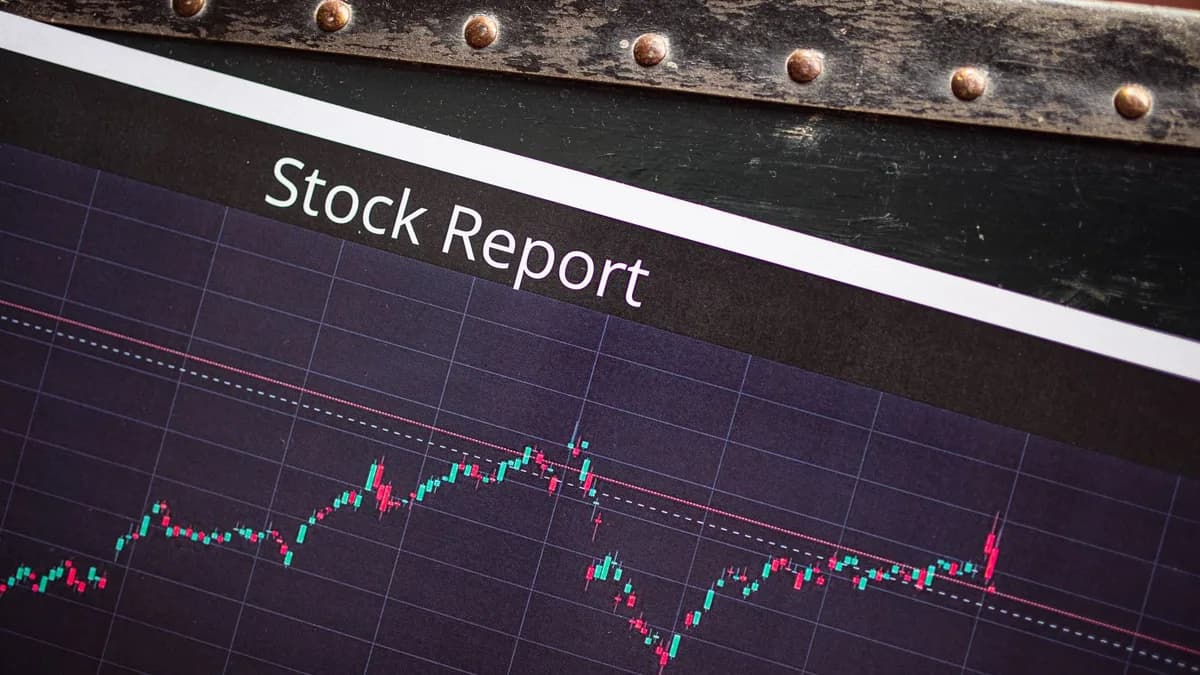
The $74 per barrel level isn't a chart pattern. It's a sentiment reading. It represents the collective decision of major money to do nothing. The technicals from the source are unanimously bearish: price below all key moving averages, with the RSI at 42 and the MACD negative. In any other context, this would be a signal to sell.
But the "fresh selling" isn't arriving. Why? Because the fundamental context overrides the chart. Committing capital here is a gamble on diplomatic nuance. Traders aren't buying because they're optimistic. They're simply refusing to short into a potential headline that could send WTI screaming back toward the 50-day Simple Moving Average at $79.58 in a matter of hours. This creates an artificial, fragile stability.
The recent U.S. inventory data underscores the weirdness. The EIA reported an unexpected build of 2.479 million barrels when a draw of 1.5 million was forecast. In a typical market, that bearish supply news would have pushed prices lower. Instead, it was absorbed. All other data is secondary to the Hormuz question.
A History of Hormuz Flashpoints: This Isn't the First Time, and It Won't Be the Last
The Strait of Hormuz isn't a new risk; it's the oldest one in the book. From the "Tanker War" of the 1980s to the series of vessel seizures and attacks in recent years, the chokepoint has reliably injected volatility premiums into oil markets. Each event followed a similar script: prices spike on the threat, then recede as the immediate crisis fades.
This time feels different. The price action has been more severe, with the main source noting WTI had "depreciated nearly 25% over the last four weeks" in a related report. This suggests traders aren't just hoping for de-escalation. They are pricing in a credible, high-stakes diplomatic process, hinted at by reports of a $24 billion release of frozen Iranian assets in exchange for reopening the Strait.
The market is treating this not as another temporary flare-up, but as a potential structural shift. The risk is always priced in, but the activation of a real, high-level negotiation changes the calculus from "when will this end" to "will this end for good?"
Winners, Losers, and Nervous CEOs: Who's Rooting for Which Outcome
A resolution would create clear victors and leave others sidelined.
The Major Consumers (India, Europe, China): They are the biggest winners. A swift reopening means cheaper, more predictable crude imports, easing inflationary pressures and protecting economic growth. Their diplomats are undoubtedly pushing hard behind the scenes.
The Shipping & Insurance Complex: This is the most direct financial play. An agreement slashes war-risk premiums overnight and ends costly voyage rerouting around Africa. Their lobbying power for a stable strait is immense and often underreported.
The Producers (Saudi Arabia, UAE, U.S. Shale): Their stance is nuanced. While stable export routes are paramount, some might privately welcome a modest, sustained risk premium that supports prices. However, the threat of a total closure is a nightmare for their revenue models. Predictability wins.
The Speculator: For them, this purgatory is torture. They thrive on volatility and clear direction. The current freeze ties up capital. But the moment a statement is released, it becomes a pure speed game. Their payoff comes not from predicting the outcome, but from being the fastest to react to it.
Beyond the Headlines: The Four Scenarios Every Energy Investor Is Modeling Now
Right now, trading desks aren't forecasting prices. They are war-gaming headlines.
| Scenario | Trigger | Likely WTI Price Action |
|---|---|---|
| 1. Clean Deal, Swift Reopening | Official joint statement confirms safe passage. | Sharp drop. The remaining risk premium evaporates. A test of the $67-$70 support zone becomes likely as focus returns to bearish fundamentals like inventories. |
| 2. Agreement with Complications | Deal announced but implementation is delayed or contested. | Chaotic choppiness. A "sell the rumor, buy the news" reversal is possible. Prices whipsaw as each new headline about "fulfilling commitments" hits. |
| 3. Deal Collapses, Tensions Spike | Negotiations fail, accompanied by new threats or incidents. | Gap-up surge. Prices could jump 10-15% instantly as the market prices in a significantly higher probability of disruption. A rush toward $90+ is possible. |
| 4. The Quiet Fizzle | Talks continue indefinitely with no major announcement. | Slow bleed. The risk premium gradually leaks out, keeping prices in a weakening, range-bound drift. This scenario favors bears but leaves everyone nervous. |
The source material points squarely to Scenario 2 as the present reality. We have an "understanding," not an agreement. The path to actual tankers moving safely is still littered with conditions.
The New Normal: Volatility as the Only Guarantee in Energy Markets
This episode reinforces a brutal truth for energy investors. Crude oil is no longer just a commodity traded on supply and demand. It is a direct, real-time transcript of geopolitical stability. The Strait of Hormuz is its most sensitive nerve.
The market's current stillness at $74 isn't peace. It's a coiled spring. The technicals scream sell, but the geopolitical overhang screams wait. This conflict between chart and headline is the new baseline.
What to watch next is not the price, but the process. Monitor for that "final" joint statement from Iran's Foreign Ministry. Watch for any movement on the "US commitments" cited as a remaining hurdle. Then, watch tanker tracking data for the first unflagged commercial vessel to make a routine passage. Each step will bleed or amp the risk premium.
Smart money right now isn't betting on direction. It's building infrastructure for speed, because when the trigger is pulled, the move will be violent and decisive. As we've seen in related coverage, when markets get a whiff of a Hormuz deal, the reaction can be an 8% wipeout in short order. Conversely, a collapse in talks could trigger the kind of haven flows that upend multiple asset classes. The only guarantee is that the resolution, when it comes, will be anything but smooth.
Disclaimer: This XOOMAR analysis is for informational and educational purposes only. It is not financial, investment, legal, tax, or professional advice. It does not provide buy, sell, hold, price-target, portfolio, or personalized recommendations. Verify information independently and consult qualified professionals before making decisions.
The Bottom Line
- A deal to secure the Strait of Hormuz would allow nearly 20% of global oil exports to resume, impacting energy prices worldwide.
- The current price paralysis at $74 per barrel represents a critical risk point where prices could detonate sharply in either direction based on the outcome.
- For consumers and businesses, the resolution of this geopolitical standoff will directly translate into either relief or a spike in fuel and commodity costs.
Sources
Disclaimer: Content on XOOMAR is produced using AI-assisted research, drafting, and verification workflows and is intended for informational and educational purposes only. It does not constitute financial, investment, legal, tax, medical, or professional advice of any kind. All analysis reflects available information at the time of publication and may not be current. Verify information independently and consult qualified professionals before making decisions. Editorial policy

Written by
XOOMAR Insights Team
Research and Editorial Desk
The XOOMAR Insights Team pairs automated research with human editorial judgment. We track hundreds of sources across technology, fintech, trading, SaaS, and cybersecurity, cross-check the facts, and explain what happened, why it matters, and what to watch next. We do not just rewrite headlines. Every article is fact-checked and scored for reliability before it goes live, and we link back to the original sources so you can verify anything yourself.
Explore More Topics
Related Articles
 Trading
War Premium Vanishes as WTI Oil Plunges 7.76% on Iran Talks
WTI oil fell 7.76% as Trump paused a strike on Iran, stripping out the war premium tied to the Strait of Hormuz.
Aug 3, 20265 min
 Trading
8% Wipeout Crushes WTI Crude Oil on Iran Deal Hopes
WTI crude oil slid nearly 8% as Iran deal hopes cut the war premium and dragged Hormuz risk back into focus.
Aug 3, 20266 min
 Trading
7% Rout Grips Brent Oil Prices as Trump Pauses Iran Strikes
Brent sank over 7% after Trump paused new Iran strikes, but Hormuz remains effectively closed and supply risk still hangs over crude.
Aug 3, 20266 min
 Trading
WTI Oil Price Sinks 7% as U.S.-Iran Pause Tests Bulls
WTI sank over 7% to $82.50 as traders cut the U.S.-Iran war premium, but Hormuz risk keeps crude on edge.
Jul 27, 20267 min
 Trading
WTI Crude Snaps Back 5% as Iran Conflict Jolts Oil
WTI’s 5% rebound shows traders are pricing a pause in the Iran conflict, not peace. One headline can reload the oil premium.
Aug 1, 20268 min
 Global Trends
Iran Seizes Control Over Strait of Hormuz Via Secret Oman Deal
Iran formalized a temporary shipping route with Oman, cementing Tehran's administrative control over the Strait of Hormuz while keeping blame for insecurity on
Aug 5, 20266 min
 Fintech
Mystery Deadline Hangs Over Landmark Crypto Bill
A landmark crypto regulation bill faces a silent, last-minute deadline in the U.S. Senate, with a critical ethics provision targeting presidential profits holdi
Aug 6, 20267 min
 Global Trends
Worrying About Someone's Weight Loss? Start Here
How to tell someone you're worried about their weight loss without pushing them away, based on clinical guidance for navigating a conversation centered on suppo
Aug 6, 20268 min
 SaaS & Tools
Ring Cuts Flagship Doorbell Prices $50 and $60
Ring has sliced $50 off its Wired Doorbell Pro and $60 off its Battery Doorbell Plus, placing high-end home security at near-record low prices.
Aug 6, 20265 min
 Global Trends
Michigan Republicans Elect Ghost Candidate Over Trump Pick
Michigan GOP primary voters rejected a Trump-backed candidate, instead electing a rival who had already withdrawn from the race, in a direct rebuke of top-down
Aug 6, 20267 min
Don't miss the signal
Get our weekly roundup of the stories that matter across tech, fintech, and trading. No noise, just signal.
Free forever. No spam. Unsubscribe anytime.