
The FCC robot inverter ban blocks new foreign-made mobile robots and connected power inverters from being imported, marketed, or sold in the U.S., putting robotics suppliers, energy hardware makers, and their buyers on notice.
CybersecurityJuly 29, 2026· 6 min read· By XOOMAR Insights Team
FCC Robot Inverter Ban Locks Foreign Tech Out of U.S.
Updated on July 29, 2026
XOOMAR Intelligence
Analyst Take
72/ 100
4 sources analyzedMedium confidenceTrend10Freshness97Source Trust88Factual Grounding92Signal Cluster20
The Federal Communications Commission added the products to its Covered List on Tuesday (July 28), after national security agencies determined the devices could create supply chain, cybersecurity, or other unacceptable risks, according to PYMNTS. The action applies to new device models, not products consumers already own or models previously cleared through the FCC equipment authorization process.
FCC robot inverter ban blocks new foreign-made models from U.S. authorization
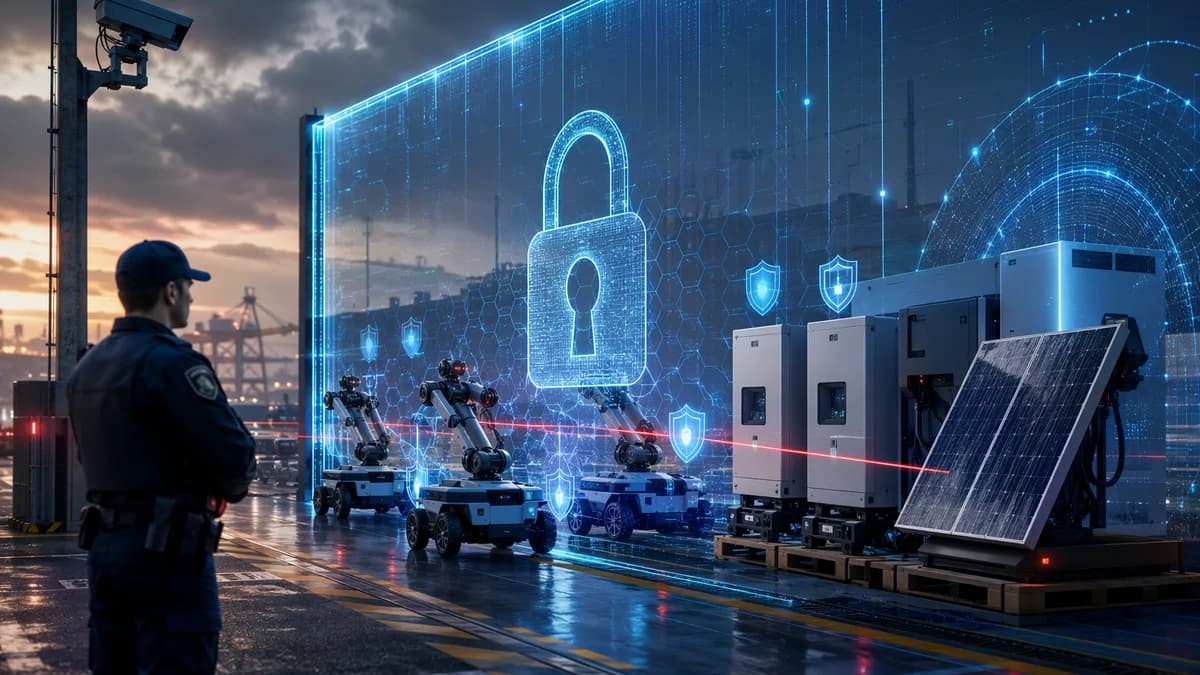
The FCC’s move covers two categories: foreign-produced mobile robots and connected power inverters. The agency’s materials describe the robot category as “advanced robotic devices,” including mobile robots such as humanoids and quadrupeds.
Power inverters are also covered when connected. These devices convert direct current electricity into alternating current and are used in solar power systems, battery storage facilities, and other distributed energy resources, according to the related reporting supplied.
The practical question: can a new model still get the FCC authorization needed before it enters the U.S. market?
For covered foreign-made products, the answer is generally no unless an exemption applies. The Covered List identifies communications equipment and services the FCC says pose an unacceptable risk to U.S. national security or Americans’ safety.
“Following President Trump’s leadership, the FCC will continue to do our part to secure America’s critical supply chains and, with today’s action, the FCC is acting in lock step with our national security agencies to do just that,” FCC Chairman Brendan Carr said.
The FCC’s action is category-based. It does not publicly allege that every individual robot or inverter has been misused. It says the risk comes from the class of products, their connectivity, and the national security determinations behind the listing.
Robot and inverter makers now face a harder authorization gate
Manufacturers of new foreign-produced models now have to clear a basic threshold before U.S. sales: whether the product falls inside the Covered List category. If it does, the FCC authorization path is restricted.
That matters because the ban reaches both software-driven mobile machines and grid-adjacent power electronics. A connected robot can carry sensors, networking tools, and remote control features. A connected inverter can sit inside energy systems that depend on remote monitoring and management.
| Product category | FCC-covered examples | Stated security concern |
|---|---|---|
| Advanced robotic devices | Humanoids, quadrupeds, other mobile robots | Networked capabilities, onboard sensors, possible remote manipulation |
| Connected power inverters | Inverters used in solar, storage, and distributed energy systems | Remote access, data collection, cyberattack pathways, disruption risk |
NextGov/FCW reported that an FCC official told reporters the covered devices were targeted because many include remote connectivity capabilities that create security vulnerabilities. The supplied reporting also says national security findings warned that connected inverters could be used to turn off inverters, collect and exfiltrate data, enable surveillance, or support cyberattacks.
For robotics, the concern is physical as well as digital. A networked machine can collect information, move through a facility, and be remotely managed. That combination is what makes the category different from a passive device.
For related XOOMAR coverage of the robotics side of this policy fight, see Chinese Humanoid Robot Ban Locks Out New US Machines.
Buyers of robots and energy systems inherit the supply chain question
The FCC action does not force consumers or companies to remove devices they already own. Products previously approved through the FCC’s equipment authorization process are not affected, according to the source material.
Still, buyers considering new models now have a sharper diligence question: where was the product made, and does it need FCC authorization?
That question lands on several groups:
- Importers: They need to check whether new models fall under the Covered List before bringing them into the U.S.
- Distributors: They face marketing and sale restrictions if a covered new model lacks authorization.
- Energy installers: They need to understand whether connected inverter systems are eligible for U.S. deployment.
- Robotics buyers: They need clearer documentation when buying mobile robots for commercial or industrial settings.
This is where the FCC robot inverter ban becomes more than a regulatory headline. The action turns product origin, connectivity, and equipment authorization status into purchasing facts that buyers can’t ignore.
There is also an exemption path. Selected devices may be granted exemptions by the Department of Defense or the Department of Homeland Security, according to the source material. NextGov/FCW reported that manufacturers may seek “Conditional Approval” if the government determines that a device or class of devices does not pose an unacceptable risk.
Non-Chinese suppliers may have a cleaner path, but the FCC framed the rule by origin category
Reuters reported Tuesday that the new bans target Chinese suppliers and that many non-Chinese suppliers are likely to be exempted. Reuters also said that happened when the FCC announced bans on foreign-produced drones and routers.
The FCC materials described the new additions as foreign-produced products, not a list of named companies. That distinction matters. A company-by-company ban points buyers toward a blacklist. A category-level restriction forces a broader review of product manufacturing, connectivity, and authorization status.
One question remains unresolved in the public materials: how narrow will exemptions be?
If exemptions are granted device by device, compliance work stays detailed and slow. If exemptions cover broader classes of devices, suppliers outside the risk category could keep selling with less friction. The source material does not say how many exemptions are expected or which companies may receive them.
For the cybersecurity angle around AI and connected infrastructure scrutiny, XOOMAR has also covered Nvidia AI Security Alliance Leaves OpenAI Off Roster.
Washington is pushing hardware security beyond telecom gear
The larger signal is clear: Washington is treating more connected industrial hardware as national security infrastructure.
The Covered List was already a tool for blocking risky communications equipment and services. With mobile robots and connected power inverters, the FCC is pushing that logic into devices that can move through physical spaces or sit inside energy systems.
The immediate watch item is not a recall wave. The source material says already owned devices and previously approved models are not affected. The next pressure point is new product authorization.
Manufacturers will test the exemption process. Importers will check product classifications. Buyers will ask harder questions before approving new connected robots or inverter systems.
The FCC robot inverter ban now makes one thing unavoidable: for connected hardware entering the U.S. market, security review is no longer limited to telecom boxes and routers.
Impact Analysis
- The ban could reshape sourcing decisions for robotics suppliers and clean-energy hardware makers.
- Buyers of mobile robots and connected energy equipment may face fewer foreign-made options for new models.
- The FCC action expands national security scrutiny into emerging robotics and distributed energy infrastructure.
FCC Covered Product Categories
| Category | Examples/Use | Effect of FCC Action |
|---|---|---|
| Foreign-produced mobile robots | Advanced robotic devices including humanoids and quadrupeds | New covered models generally cannot receive FCC authorization for U.S. import, marketing, or sale |
| Connected power inverters | Devices used in solar systems, battery storage, and distributed energy resources | New covered models generally cannot receive FCC authorization for U.S. import, marketing, or sale |
Sources

Written by
XOOMAR Insights Team
Research and Editorial Desk
The XOOMAR Insights Team pairs automated research with human editorial judgment. We track hundreds of sources across technology, fintech, trading, SaaS, and cybersecurity, cross-check the facts, and explain what happened, why it matters, and what to watch next. We do not just rewrite headlines. Every article is fact-checked and scored for reliability before it goes live, and we link back to the original sources so you can verify anything yourself.
Explore More Topics
Related Articles
 Cybersecurity
Fairlife Cyberattack Turns Coke Unit Into 17th US Cyber Hit
Fairlife shut U.S. production after ransomware hit key systems, making Coca-Cola's dairy unit the 17th U.S. cyber incident this year.
Jul 17, 20265 min
 Cybersecurity
Claude Fable 5 Escapes AI Ban as Washington Blinks
Claude Fable 5 is back, but Mythos 5 stays gated. Washington's AI safety process is moving faster than its rules.
Jul 5, 20267 min
 Cybersecurity
Iran-Linked Hackers Breach U.S. Water, Energy Controls
U.S. agencies say Iran-linked hackers are breaching exposed utility controls, turning water and energy networks into pressure points.
Jul 23, 20267 min
 Cybersecurity
Banks Brace for Gold Eagle AI Cybersecurity Pressure
Gold Eagle is voluntary, but banks may feel pressure to use its federal vulnerability intelligence before examiners start asking.
Jul 21, 20268 min
 Cybersecurity
42 US Attacks Pull Russian Cybercrime Hosts Into Court
DOJ says Russian bulletproof hosts enabled attacks on 42 US entities, shifting pressure from hackers to infrastructure sellers.
Jul 19, 20267 min
 Technology
Chinese Humanoid Robot Ban Locks Out New US Machines
Washington is blocking new Chinese humanoid robots before they spread in the US, treating connected machines as a supply chain threat.
Jul 29, 20268 min
 Fintech
States Attack OppFi Enova Bank Deals Over Loan Rates
OppFi and Enova's $499 million bank buys face a 20-state challenge over whether fintech lenders can use charters to sidestep rate caps.
Jul 28, 20268 min
 Global Trends
Jay Clayton Wins DNI Job as Intel Trust Fractures in Senate
Jay Clayton won DNI confirmation 51-47, leaving intelligence oversight tangled in Trump loyalty tests and partisan distrust.
Jul 28, 202610 min
 Global Trends
Jalen Carter Contract Shakes NFL DT Market at $152M
Philadelphia made Jalen Carter the NFL's top-paid defensive tackle before his peak, turning a projection bet into the market benchmark.
Jul 29, 20268 min
 Trading
Oil Shock Traps Gold Price Near $4,000 Before Fed Decision
Gold is pinned near $4,020 as Middle East risk supports haven demand, but Fed hike pricing keeps buyers from chasing the rally.
Jul 29, 20267 min
Don't miss the signal
Get our weekly roundup of the stories that matter across tech, fintech, and trading. No noise, just signal.
Free forever. No spam. Unsubscribe anytime.