The Godox C100 should have been another cheap compact chasing phone-weary creators, but its real bet is stranger: remove the color preview screen and make the viewfinder the product.
XOOMAR Intelligence
Analyst Take
Godox C100 bets that camera nostalgia now matters more than specs
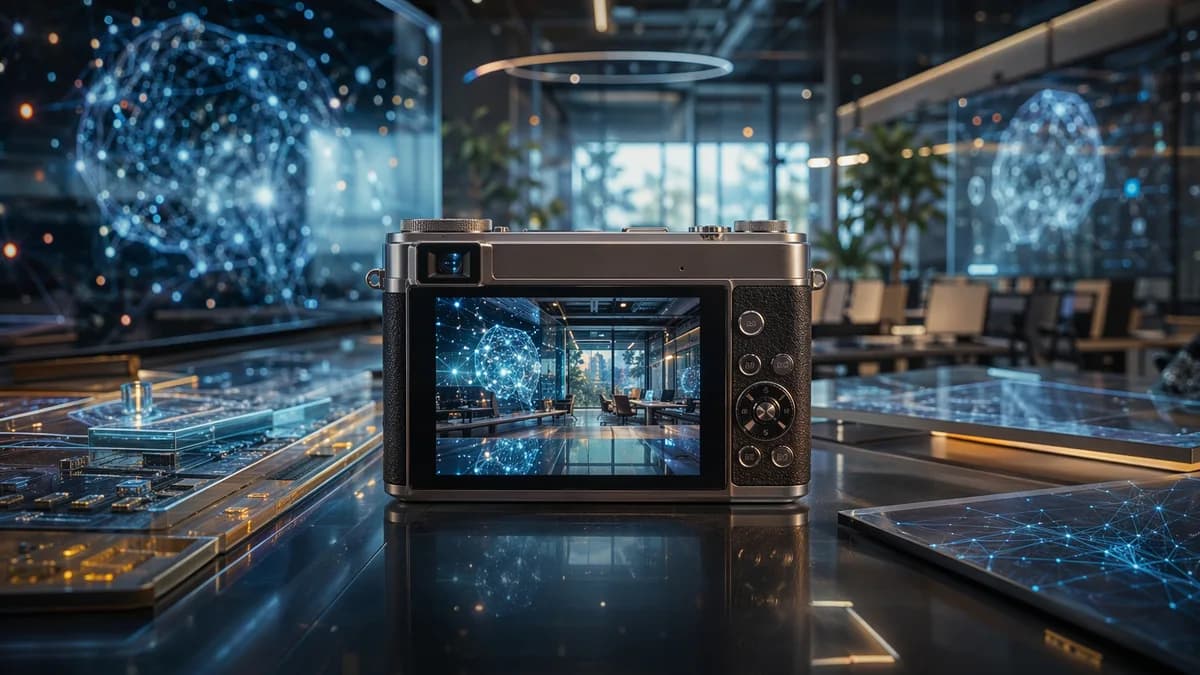
The Godox C100 skips the familiar rear color display and uses a transparent LCD that doubles as an optical-style viewfinder, according to The Verge. That choice says more about the compact-camera moment than another megapixel claim would have.
Godox is best known for photography lighting products, not consumer point-and-shoot cameras. That makes the C100 a surprising launch, but not an irrational one. If the current appeal of simple cameras is partly about physicality, friction, and the feeling of carrying a device with a purpose, Godox doesn't need to outgun smartphones on specs. It needs to make something people recognize immediately.
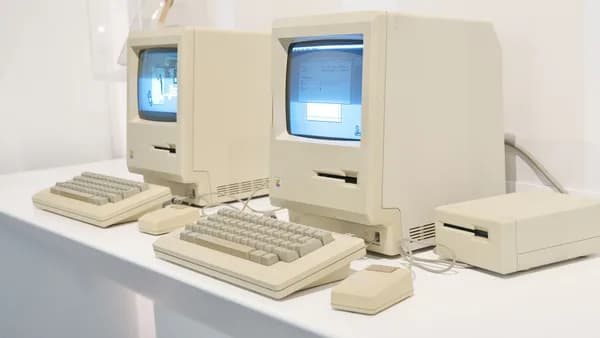
The source material points to a market already primed for odd, simple cameras. The Verge says standalone point-and-shoot cameras are enjoying a renaissance, with the Kodak Charmera still popular and influencers chasing aging Canon cameras on eBay. The C100 enters that same lane, but its hook is not a retro body or a famous old brand. It's a screen you can see through.
That makes the C100 less of a traditional camera launch and more of a design-led test: can a photography accessory company sell a camera by making shooting feel different?
The transparent LCD viewfinder turns previewing into the C100's main feature
The C100's central trick is blunt. Instead of giving users a normal color preview screen, Godox uses a transparent viewfinder-style display that overlays shooting information while the user looks through it.
According to Imaging Resource, the display offers more than 50% light transmittance and can show items including shooting mode, battery status, ISO, aperture, and shutter speed. Frame lines adjust automatically to match the selected aspect ratio.
“The C100 is born to record! No complicated operations are required. Take photos or record videos anytime, anywhere, and capture everyday moments at will. Simplicity is fun,” Godox says.
That quote is the product strategy in plain language. Godox is not selling control density. It is selling absence. No complicated operations. No immediate color review. No smartphone-like preview loop.
The trade-off is obvious. A transparent LCD can make shooting feel more immediate and playful, but it also removes the feedback buyers expect from digital cameras and phones. The Verge notes that users can't see the images they've snapped until they connect the C100 to a PC or mobile device and transfer the photos.
That limitation is either charm or friction, depending on the buyer.
| Expected compact-camera feature | Godox C100 reality |
|---|---|
| Color preview screen | Transparent LCD viewfinder |
| Instant image review | Review only after transfer |
| Spec-led pitch | Product page is thin on sensor resolution and video details |
| Wireless sharing | No wireless connectivity, USB-C transfer instead |
| Conventional camera brand move | Lighting company enters with a design gimmick that may actually matter |
The missing technical details matter. The C100 product page is thin on sensor resolution and video capabilities, per The Verge. That shifts attention away from performance. Buyers are being asked to care about the act of shooting before they know the full quality ceiling.
The numbers behind the cheap compact camera comeback
The C100's most important numbers are not megapixels. They are size, price, and constraints.
The camera weighs 65 grams, captures images and videos in four aspect ratios, including 16:9 and 1:1, and stores files on a microSD card up to 128GB. Imaging Resource adds that it measures 104 × 72 × 19mm, with a transparent display measuring 60.8 × 47.8mm. It also reports up to 1.5 hours of continuous video recording from a built-in rechargeable battery.
The price is the sharpest data point. The Verge says there is no pricing info on the Godox product page, but Digital Camera World reports the C100 at ¥199, or around $29. Imaging Resource also lists it at ¥199, while saying it is currently only on Godox's Chinese website.
At that level, the C100 doesn't need to compete with serious compacts. It competes with impulse purchases, novelty gadgets, and the low-risk thrill of carrying a second camera.
The limits are just as important:
- Availability: The C100 has launched in China, with no word on international release.
- Connectivity: There is no wireless connectivity.
- Transfer: Files move over USB-C, including direct smartphone transfer via OTG, according to Imaging Resource.
- Metering: The device can function as a light meter, measuring scene brightness and suggesting exposure settings for another camera.
That light-meter mode is the sleeper feature. It gives the C100 a reason to exist beyond novelty, especially for photographers who already carry another camera. Users can manually set an ISO value to match film loaded in a film camera, and the C100 can calculate aperture and shutter speed for the scene, according to Imaging Resource.
From disposable simplicity to eBay Canons, the C100 revives the anti-smartphone camera tradition
The C100 fits a familiar pattern: when everyday photography becomes too convenient, a subset of users starts wanting constraints again.
Smartphones have become impressively capable shooters, as The Verge notes. They are fast, always connected, and built around immediate review. The C100 pushes in the opposite direction. It is light, cheap, minimal, disconnected, and intentionally less informative while shooting.
That matters because the C100's transparent display makes the act of framing visible. You are not staring at a polished screen simulation. You are looking through a semi-transparent window with data layered over the scene.
XOOMAR analysis: this is the anti-smartphone move. Not because it will take better photos than a phone, since the supplied material doesn't support that claim. The point is that it breaks the phone habit: compose, shoot, review, edit, share, repeat. The C100 delays the review step and turns uncertainty into part of the product.
For readers tracking how physical consumer tech still carries identity value, our coverage of the Best Switch 2 Case Drops Below $80 in Rare Dbrand Deal sits in a different category but rhymes with the same point: objects can matter because they are seen, carried, and chosen. On the software side, TV Time Shutdown Kills App Despite 29,000 New Downloads shows why users also attach to tools that shape habits, not just features.
The C100 is hardware built around that habit-forming premise. Carry it because it changes how you shoot.
Creators, camera makers, and phone brands will read the C100 very differently
Creators will see the C100 first as a visual object. The transparent viewfinder is recognizable. The 65-gram body is pocketable. The missing color preview creates a story around the shot before anyone judges the file.
Camera makers may read it as evidence that simple compacts don't need to fight smartphones on smartphone terms. If buyers care about mood, ritual, and object design, a thin camera with limited controls can be more interesting than a more technically complete product that feels anonymous.
Phone brands should read it more cautiously. Smartphones still own everyday photography in practical terms, but the C100 highlights a gap phones struggle to fill: a separate object that signals intent. A phone camera is default. A small transparent-viewfinder camera is a choice.
The skeptical view is still strong. If the image quality is weak, battery life feels too short, or transfer is annoying, the transparent LCD could become a weekend novelty. The source material does not give enough detail on sensor resolution or video capability to judge output quality. That uncertainty is not a footnote. It is central to whether this product becomes a cult object or a drawer gadget.
What the Godox C100 means for photographers and the compact camera industry
The buying decision starts with purpose. If you want maximum image quality, the supplied information gives no reason to choose the C100 over a phone or a more serious compact. If you want a different shooting ritual, the Godox C100 has a clearer pitch.
Its best case is not technical superiority. It is distinct behavior.
- For casual buyers: The appeal is low weight, low price, and a different feel from phone photography.
- For film shooters: The light-meter mode could make the C100 useful beside another camera.
- For creators: The transparent LCD gives the product a visual hook.
- For skeptics: Missing sensor and video specs make patience smarter than hype.
The broader industry lesson is narrow but useful. Compact cameras no longer need to beat smartphones at convenience. They need to offer something phones can't copy cleanly as software. A transparent physical viewfinder, delayed review, and a tiny dedicated body are harder to fake inside a camera app.
Brands chasing this trend can still fail. Nostalgia is not a license for low effort. A revival camera needs dependable output, a coherent workflow, and a reason to be carried after the first week.
Next-gen compact cameras will chase screens, scarcity, and social identity
The C100's success won't depend only on image quality. It will depend on whether Godox turns a clever viewfinder into a camera people want to carry.
The watch item is availability. If the ¥199 China launch stays local, the C100 may remain a curiosity. If Godox expands distribution and keeps the price near impulse-buy territory, the transparent LCD becomes a stronger test of demand for design-led compact cameras.
Evidence that would support the thesis: fast sellouts, visible creator adoption, and buyers using the light-meter mode as more than a gimmick. Evidence that would weaken it: poor output, awkward transfers, limited battery satisfaction, or international pricing that breaks the cheap-camera appeal.
The next wave of compact cameras may not chase the cleanest screen. It may chase the most memorable one.
The Bottom Line
- The C100 shows how camera makers are leaning on experience and nostalgia instead of raw specs.
- Its transparent LCD makes the viewfinder the product’s defining feature, not just a utility.
- The launch suggests demand for simple standalone cameras remains strong despite smartphone dominance.
How the Godox C100 Fits the Compact-Camera Revival
| Camera/category | Main hook | Preview experience | Positioning |
|---|---|---|---|
| Godox C100 | Transparent LCD viewfinder | Overlays shooting information while users look through it | Design-led test built around shooting feel |
| Typical compact cameras | Rear color preview screen | Uses a familiar color display | The conventional approach the C100 avoids |
| Kodak Charmera and aging Canon cameras | Retro appeal and nostalgia | Not specified | Examples of the point-and-shoot renaissance |
Primary Sources & Disclosures

Written by
XOOMAR Insights Team
Research and Editorial Desk
The XOOMAR Insights Team pairs automated research with human editorial judgment. We track hundreds of sources across technology, fintech, trading, SaaS, and cybersecurity, cross-check the facts, and explain what happened, why it matters, and what to watch next. We do not just rewrite headlines. Every article is fact-checked and scored for reliability before it goes live, and we link back to the original sources so you can verify anything yourself.