Americans wagered more than $160 billion on sports last year alone, and that number is only the loudest signal in a broader shift: the uncertainty economy has moved from the sportsbook into the core design of digital platforms.
XOOMAR Intelligence
Analyst Take
That is the deeper argument in PYMNTS: sports betting apps, retail investing apps, prediction markets, crypto exchanges and even shopping products now use suspense as a repeat-engagement engine. The product is not only the bet, trade or discount. It is the unresolved moment before the result.
Uncertainty Has Become the Product Across Apps
The cleanest way to read this trend is not “everything is gambling.” That’s too blunt. The sharper version is that gambling’s best engagement mechanic, unresolved anticipation, has spread across consumer finance, commerce and media.
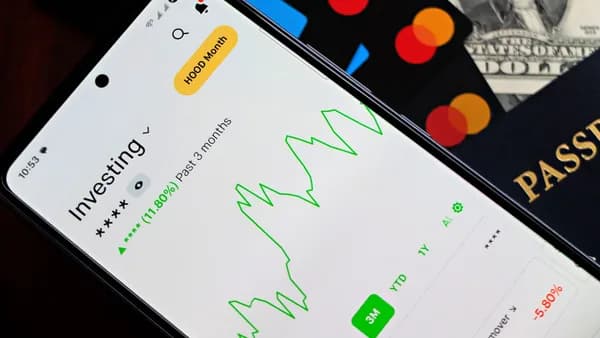
PYMNTS points to a pattern hiding in plain sight. Sports betting apps sit beside brokerage platforms. Prediction markets let users wager on elections, economic data and geopolitical events. Crypto exchanges promote perpetual trading. Retail investing apps use streaks, badges and instant feedback. Shopping layers in randomized rewards, limited-time offers and mystery incentives.
Viewed alone, those categories look different. Together, they share a design philosophy: keep the user waiting for resolution, then give them a reason to check again.
XOOMAR analysis: this is a shift from selling outcomes to selling return behavior. A platform does not need every user to win. It needs users to refresh, react, transact and come back tomorrow.
The Uncertainty Economy Has a Hard Number: $160 Billion
The Supreme Court’s 2018 decision allowing states to legalize sports betting accelerated the trend, according to the PYMNTS piece, which cites Wharton research titled “Why is Everything Gambling Now?”. The scale is no longer niche. Americans wagered more than $160 billion on sports last year alone, based on industry figures cited by Wharton.
But the more important point is that regulation does not fully explain the spread of speculative design. Sports betting grew because legal access expanded. The wider uncertainty economy grew because digital platforms learned how to monetize anticipation.
PYMNTS Intelligence adds two useful clues about where this behavior gets embedded:
- Instant payouts: Gig, creator and marketplace platforms are the most aggressive adopters in absolute terms, with nearly one-third of senders offering instant payouts always or most of the time.
- Wallet access: Strong millennial interest in cryptocurrency rose from 31% to 35% when access is provided through a digital wallet.
- Stablecoins: Among credit union members, strong interest rose from 5% for direct payments to 12% when stablecoins are accessible through a wallet.
That wallet detail matters. Access design changes interest. The same product can feel more actionable when it sits inside a familiar interface. For related XOOMAR coverage on how money movement is being packaged into platform relationships, see Mastercard Bets the Creator Economy Needs Real Banking and Treasury Platforms Steal Lending's Spotlight at Banks.
From Casino Logic to Phone Screens
The old gambling model required a defined venue. The new model travels through interfaces.
PYMNTS does not need to claim that every app is a casino. The stronger claim is behavioral. Infinite scrolling, instant settlement, real-time notifications, personalized recommendations, streak mechanics and one-click transactions compress the space between action and reward. That compression makes uncertainty easier to repeat.
Michael Platt, a neuroscientist and professor at the University of Pennsylvania, ties the appeal to risk-taking behavior that predates modern finance.
“Our brains didn’t evolve in a world of guaranteed paychecks and retirement accounts,” Platt wrote in his Wharton research.
That quote explains why the model works. Humans seek resolution. An open sports bet, a volatile stock position, an election forecast or an expiring shopping promotion all create tension. The app becomes the place where that tension might break.
Sportsbooks, Brokerages, Crypto Exchanges and Retailers Sell Different Versions of the Same Rush
The surface product changes. The loop stays familiar.
| Sector | Uncertainty being packaged | Source-supported engagement cue |
|---|---|---|
| Sports betting | Game outcomes | Legalized state access after the 2018 Supreme Court decision |
| Prediction markets | Elections, economic data, geopolitical events | Wagers on real-world events |
| Crypto exchanges | Perpetual trading | Continuous speculative activity |
| Retail investing apps | Price movement and user activity | Streaks, badges and instant feedback |
| Shopping platforms | Surprise value | Randomized rewards, limited-time offers and mystery incentives |
XOOMAR analysis: the table shows why old category lines are losing explanatory power. A prediction market, a short-dated trading product, a crypto perpetual and a mystery shopping reward may sit in different legal and commercial buckets. Psychologically, each asks the user to take one more action before uncertainty resolves.
That does not make all uncertainty harmful. Risk can help markets process information. Limited-time offers can help shoppers decide. Event contracts can express views about real outcomes. The problem starts when the product’s utility becomes secondary to the compulsion to check again.
The Winners Are Platforms That Turn Tension Into Return Visits
PYMNTS puts the business model plainly: the digital economy increasingly competes for attention, not just transactions. Platforms generate more value when users return repeatedly than when they make one decision and leave.
That incentive helps explain why finance can start to resemble entertainment. Short-dated options, leveraged ETFs, meme stocks and event-based contracts encourage frequent decisions and constant monitoring, according to the PYMNTS article. Success becomes tied less to long-term ownership and more to predicting near-term volatility.
The consumer experience is more ambiguous. One user sees agency, entertainment or opportunity. Another experiences a habit loop built around unresolved tension. The same design choices can feel useful in one context and predatory in another.
For crypto specifically, the engagement layer should not be separated from market plumbing. XOOMAR has covered the infrastructure side in Crypto Infrastructure Choke Points May Freeze Digital Assets, which is a separate but related question: fast user behavior still depends on systems that can bear the load.
AI-Personalized Temptation Is the Next Test
The next fight is unlikely to be about whether uncertainty disappears. It won’t. The fight will be over how much friction, disclosure and user control platforms are forced, or choose, to build around it.
PYMNTS points directly at artificial intelligence as the accelerant. As AI personalizes financial products, prediction markets and digital commerce, platforms will be able to make prompts more timely and more relevant. That can improve usefulness. It can also make the next trade, bet, refresh or impulse purchase harder to resist.
A separate World Economic Forum analysis supplied in the source material frames the same tension from another angle: the internet’s old operating model treated attention as the primary signal of value, while newer technologies could give users more control over data, identity and participation.
The practical test is simple:
- For fintech firms: responsible engagement may matter more than maximum engagement.
- For retailers: scarcity and surprise can lift action, but overuse can train customers to distrust the prompt.
- For consumers: ask whether the app is helping you decide, or nudging you into another roll.
- For policymakers: product labels are less useful when different products behave similarly on the screen.
The strongest platforms in the uncertainty economy will not be the ones that remove suspense. They will be the ones that prove they can profit from it without turning every digital interaction into a wager.
Disclaimer: This XOOMAR analysis is for informational and educational purposes only. It is not financial, investment, legal, tax, or professional advice. It does not provide buy, sell, hold, price-target, portfolio, or personalized recommendations. Verify information independently and consult qualified professionals before making decisions.
Impact Analysis
- Digital platforms are increasingly using suspense and unresolved outcomes to drive repeat engagement.
- The trend extends gambling-style mechanics into finance, commerce, media and shopping experiences.
- With Americans wagering more than $160 billion on sports last year, regulators and consumers face growing stakes around attention, risk and platform design.
How Different Platforms Use Uncertainty
| Platform Type | Uncertainty Mechanic | User Behavior Encouraged |
|---|---|---|
| Sports betting apps | Unresolved game or wager outcomes | Refresh, react and place more bets |
| Retail investing apps | Price movement, streaks, badges and instant feedback | Check portfolios and trade more often |
| Prediction markets | Event outcomes such as elections or economic data | Return as probabilities shift |
| Crypto exchanges | Continuous price volatility and perpetual trading | Stay engaged with around-the-clock markets |
| Shopping products | Randomized rewards, mystery incentives and limited-time offers | Revisit deals and complete purchases |
U.S. Sports Betting Wagers Last Year
Primary Sources & Disclosures
Disclaimer: Content on XOOMAR is produced using AI-assisted research, drafting, and verification workflows and is intended for informational and educational purposes only. It does not constitute financial, investment, legal, tax, medical, or professional advice of any kind. All analysis reflects available information at the time of publication and may not be current. Verify information independently and consult qualified professionals before making decisions. Editorial policy

Written by
XOOMAR Insights Team
Research and Editorial Desk
The XOOMAR Insights Team pairs automated research with human editorial judgment. We track hundreds of sources across technology, fintech, trading, SaaS, and cybersecurity, cross-check the facts, and explain what happened, why it matters, and what to watch next. We do not just rewrite headlines. Every article is fact-checked and scored for reliability before it goes live, and we link back to the original sources so you can verify anything yourself.