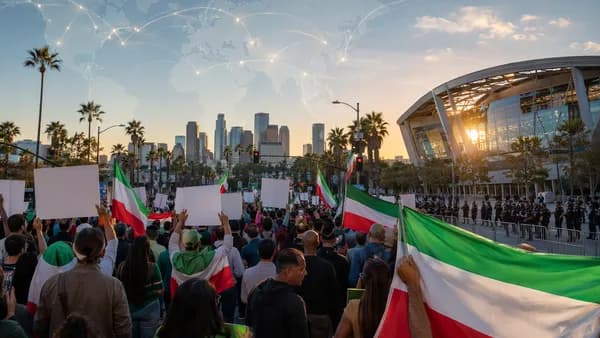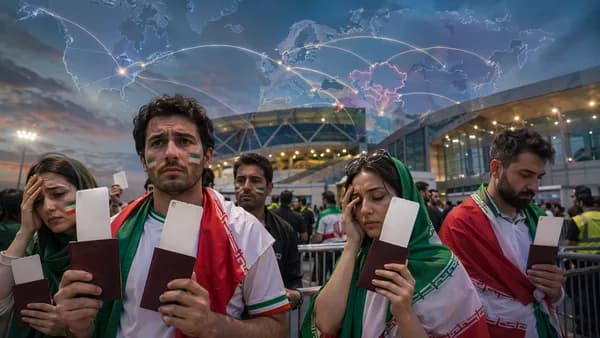
Four state attorneys general are now pressing FIFA over World Cup ticketing, turning a 6.5 million fan event into an early test of how far U.S. consumer protection law can reach into global sports sales. California, New Jersey, New York and Texas have announced investigations into FIFA World Cup ticketing investigation issues over roughly the past month, according to PYMNTS.
XOOMAR Intelligence
Analyst Take
The fight is not just about expensive seats. It centers on whether fans were shown one version of ticket categories, pricing and seat access, then faced something different later in the process. That makes the FIFA World Cup ticketing investigation more than a sports story. It is a live consumer commerce case, with state officials probing how the world’s biggest soccer event sells scarcity, location and price certainty to buyers.
XOOMAR analysis: FIFA’s global event model is colliding with a U.S. enforcement culture that treats confusing checkout flows, shifting seat representations and opaque inventory as legal risk. The 2026 World Cup may be marketed as a North American mega-event, but state attorneys general are treating the ticketing machine like any other high-stakes consumer marketplace.
4-state FIFA World Cup ticketing investigation reaches major host markets
The public record now shows four separate state-level actions. California Attorney General Rob Bonta said in a May 13 press release that he sent FIFA a letter seeking information and would use that information to assess whether the organization broke California law.
Bonta said the move followed reports that FIFA sold tickets based on seating categories shown on a stadium map, then later changed those categories before assigning seats to buyers.
“Californians should be able to trust that the seats they purchase match the representations made during the sales process,” Bonta said. “We look forward to receiving the requested information from FIFA as part of our ongoing review.”
New Jersey Attorney General Jennifer Davenport and New York Attorney General Letitia James escalated the matter on May 27, announcing subpoenas to FIFA for information about its ticketing practices. Their probe includes reports that FIFA may have misled fans about seat locations, failed to deliver tickets in the category buyers paid for, and drove up prices through “variable pricing” tied to ticket release timing, public statements or other conduct.
Davenport framed the issue bluntly:
“FIFA has turned buying a ticket to the World Cup into a gauntlet of confusion, fake scarcity and impossibly high prices.”
James added:
“No one should be manipulated into paying sky-high prices for seats, and fans should be able to trust that the tickets they purchase will be the ones they receive.”
Then Texas Attorney General Ken Paxton entered the picture. In a June 9 press release, he said his office had received several consumer complaints from people who may have been misled about the locations of seats they were buying. Paxton said he had launched an investigation into FIFA’s practices.
Investigations do not prove wrongdoing. FIFA did not immediately reply to PYMNTS’ request for comment. But subpoenas, information requests and public AG statements create pressure before any courtroom filing. They can force documents into view, push companies to alter disclosures, and make ticketing practices a reputational issue while sales are still active.
The ticket dispute starts with maps, categories and changing price signals
The core consumer issue is simple enough for any buyer to understand: did the seat category shown at purchase match what the buyer later received?
According to the New York and New Jersey announcements cited in the source material, fans purchased seats in four zones, named Category 1 through Category 4, before a last-minute sales phase began on April 1. Category 1 represented the most expensive seats, while Category 4 represented the cheapest.
State officials are examining whether fans were given seats that did not match where stadium maps suggested those seats would be. They are also looking at whether FIFA’s release schedule, statements or conduct contributed to higher prices through variable pricing.
The price allegations add scale. Related reporting cited by the attorneys general said that between October 2025 and April 2026, FIFA raised ticket prices for more than 90 of the 104 World Cup matches, with prices for the three main ticket categories rising on average by 34%. PYMNTS separately reported that FIFA had confirmed tickets for the 2026 World Cup would be sold under a dynamic pricing system, a first for the event.
That matters because dynamic pricing is not automatically deceptive. The legal risk comes from how it is presented. If buyers believe inventory is scarce, categories are fixed, or a ticket tier maps to a specific quality of view, regulators may scrutinize whether the sales flow gave them enough information to make a real decision.
Ticketing facts now in the record
| Item | Public detail from source material |
|---|---|
| Investigating states | California, New Jersey, New York and Texas |
| California action | May 13 letter from Rob Bonta seeking information from FIFA |
| New York and New Jersey action | May 27 subpoenas seeking information on ticketing practices |
| Texas action | June 9 investigation after consumer complaints |
| Ticket categories | Category 1 through Category 4 |
| Matches cited in related reporting | 104 World Cup matches |
| Price increases cited by AGs | More than 90 matches, average 34% rise across three main categories |
| Expected stadium attendance | About 6.5 million fans, per PYMNTS’ March reporting |
| MetLife detail | Eight matches, including the final on July 19 |
Why 6.5 million fans turn small disclosures into major legal exposure
The 2026 tournament is expected to bring about 6.5 million fans into stadiums, with a far larger audience beyond that, according to PYMNTS’ prior reporting. At that scale, even a narrow ambiguity in seat maps can multiply fast.
One unclear seating category may affect thousands of buyers. One confusing price release can influence travel plans, payment timing and resale decisions. One vague refund or transfer term can become a dispute across cards, wallets, ticketing accounts and travel bookings.
XOOMAR analysis: this is where the FIFA World Cup ticketing investigation becomes a payments and digital commerce story. A World Cup ticket is rarely a standalone purchase. Buyers often attach flights, hotels, local transport, hospitality packages, group travel and payment plans to the assumption that a ticket is legitimate and located where they expected.
That creates exposure beyond FIFA. Payment processors, resale platforms, travel companies and hospitality providers can all get pulled into the operational mess if buyers contest charges or claim they were misled. The issue is similar in spirit to corporate spend controls, where policy clarity matters before money moves, as seen in our coverage of Ramp's $44B bet on the AI spend management race. Different market, same lesson: vague transaction rules become expensive when volume spikes.
For consumers, the risk is more personal. If a fan buys a high-priced ticket because a stadium map suggests a certain experience, then later receives a seat that feels materially different, the harm is not limited to the price of admission. The buyer may already have made nonrefundable travel decisions.
FIFA’s centralized sales model meets state-by-state consumer law
FIFA is used to running a centralized global event. U.S. enforcement is fragmented by design. State attorneys general can act under their own consumer protection statutes, and they do not need to wait for a national agency or a criminal case to demand records.
That makes the current posture dangerous for FIFA even before any finding of wrongdoing. California, New Jersey, New York and Texas are not fringe markets in the 2026 tournament. They include major host areas and large pools of potential buyers. New York and New Jersey officials are specifically examining ticketing for MetLife Stadium, which will host eight matches, including the final on July 19.
The legal hooks are likely to sit in familiar territory: unfair or deceptive acts and practices laws, advertising rules, pricing disclosures, and representations about ticket availability or seat quality. The AGs’ own statements point to three pressure points:
- Seat location: whether maps and categories reasonably matched later assignments.
- Inventory signals: whether scarcity was presented in a way that misled buyers.
- Price movement: whether variable or dynamic pricing was disclosed clearly enough.
FIFA has offered a defense of the maps in related reporting, saying the “indicative category maps” were intended “to help fans understand where their seats could be located within a stadium” and were designed as guidance rather than exact seat layouts.
That distinction may become central. A map can be nonbinding and still create expectations. Regulators will likely examine whether ordinary buyers understood the difference between a rough category guide and a reliable seat-quality representation.
Fans, regulators, FIFA and platforms are not optimizing for the same outcome
The dispute is hard to resolve cleanly because each stakeholder wants a different ticketing system.
| Stakeholder | Likely priority | Where the conflict appears |
|---|---|---|
| Fans | Clear locations, all-in pricing, resale legitimacy, refund clarity | They want certainty before booking travel |
| Regulators | Disclosures that survive legal scrutiny | They focus on representations at checkout |
| FIFA | Fraud control, global distribution, sponsor and federation allocations, hospitality revenue | It needs flexibility across venues and phases |
| Market intermediaries | Smooth payment flows, fewer disputes, clear transfer rules | They absorb friction when terms are contested |
Fans want the simplest version: show the seat, show the final price, explain resale and refund rules, then honor the deal. Regulators want evidence that buyers were not nudged by misleading maps, artificial urgency or incomplete pricing information.
FIFA’s incentives are more complex. The organization must manage global demand, allocate sponsor and federation inventory, control fraud, serve hospitality buyers and stage a tournament across the United States, Canada and Mexico. None of that excuses unclear sales practices. It does explain why the ticketing system may be built for operational flexibility rather than consumer simplicity.
Market intermediaries sit in the blast radius. If ticket terms become disputed, chargebacks and support claims can rise. Identity checks, cross-border payments and installment products can become friction points. That is why the operational plumbing matters, much like the back-office pressure we covered in These Digital Banks Slash Month-End Bookkeeping Work. Clean records and clear transaction terms are not glamorous, but they decide who pays when a buyer challenges a charge.
Ticket scrutiny could force a slower, clearer 2026 rollout
The commercial fallout does not need to be dramatic to matter. The most immediate effect may be slower ticket rollouts, more legal review of sales language, clearer fee display, and more careful explanations of seat categories.
FIFA and its partners could face pressure to clarify:
- Category boundaries: whether buyers are purchasing a broad zone or a narrower seating expectation.
- Inventory timing: whether additional premium seats may appear later at different prices.
- Dynamic pricing: when prices can change and what factors drive those changes.
- Official resale: what transfers are allowed, blocked or restricted.
- Refund language: what happens if seat assignments differ from buyer expectations.
For ticketing platforms and payment firms, the lesson is direct. Large event commerce now carries regulatory risk at checkout, not only after fraud or outages occur. If a buyer disputes the transaction, the evidence trail will include maps, screenshots, pricing language, queue messaging, emails and terms of use.
Consumers should respond with discipline. Anyone buying World Cup tickets should capture the seat map shown at purchase, confirm whether the price is final, review transfer and refund rules, and avoid making expensive travel commitments before understanding when seat assignments become fixed. Official channels matter, but official status does not eliminate the need to read the terms.
The likely path is negotiated clarity, unless documents show deeper deception
The most likely near-term outcome is not a courtroom showdown. Based on what is public, the more plausible path is document production, negotiated changes, clearer disclosures, and public assurances. Settlements are possible if investigators conclude that consumers were misled, but the record supplied so far does not establish that.
The harder scenario for FIFA would be evidence that internal documents contradict public-facing representations, or that pricing and inventory messages were designed to create false urgency. That would push the matter beyond messy communications and into more serious consumer deception territory.
XOOMAR analysis: the state AG pressure is already doing work. It is forcing FIFA’s ticketing process into a U.S. consumer protection frame before the tournament begins. If FIFA responds by making fee disclosures more prominent, explaining dynamic pricing in plain language, and tightening seat category communications, the probes could reshape how global sports events sell tickets in the U.S.
The evidence to watch is narrow but powerful: whether FIFA changes its ticketing interface, whether AGs publish documents, whether refunds or seat adjustments are offered, and whether resale rules become clearer before high-demand matches hit peak sales. The tournament’s first major American contest may not be on the pitch. It may be at checkout.
Impact Analysis
- The probes test how U.S. consumer protection laws apply to FIFA’s global ticketing model.
- Fans may face legal uncertainty if seat categories, pricing or access differ from what was shown during purchase.
- The investigations could reshape checkout transparency standards for major sports events in the U.S.
State AG actions on FIFA World Cup ticketing
| State | Action described | Core concern |
|---|---|---|
| California | Attorney General Rob Bonta sent FIFA a May 13 letter seeking information | Whether ticket categories shown on stadium maps later changed before seat assignments |
| New Jersey | Announced investigation | World Cup ticketing and seating practices |
| New York | Announced investigation | World Cup ticketing and seating practices |
| Texas | Announced investigation | World Cup ticketing and seating practices |
Primary Sources & Disclosures

Written by
XOOMAR
Data desk
XOOMAR is a capital markets software and data company. Every brief on this site starts from a dataset the company collects itself from primary sources (CFTC, SEC EDGAR, FINRA, the Federal Reserve, exchange APIs) and names the numbers it is built on, with a link to the data page so you can check them. Briefs are reviewed before they go out and corrected in place when the data is revised.