
Surgeons in southern Japan threw their bodies over their patient to form a human shield as the floor heaved and medical equipment swayed violently. Newly-released security camera footage shows the moment a magnitude 6.8 earthquake shook Kumamoto General Hospital during an abdominal surgery last month, forcing doctors to make a split-second choice between personal safety and their patient's protection according to BBC World.

Global TrendsAugust 7, 2026· 4 min read· By XOOMAR Insights Team
Surgeons Shield Patient During Japanese Hospital Quake
Updated on August 7, 2026
XOOMAR Intelligence
Analyst Take
58/ 100
4 sources analyzedLow confidenceTrend10Freshness96Source Trust92Factual Grounding88Signal Cluster20
The quake, which struck on 28 July, shook the operating room during four ongoing surgeries. In the now-viral footage, one nurse is seen bolting to open and secure a door for a potential evacuation route. According to the hospital's statement, all four operations were ultimately successfully completed, and outpatient services resumed on 5 August after a brief suspension.
The 60-Second Test of Surgical Protocol
For a team conducting surgery, an earthquake presents a uniquely nightmarish scenario. The core protocols drilled into Japanese surgical staff go beyond "drop, cover, and hold on." An anesthetized patient cannot self-preserve, is connected to life-supporting equipment, and lies on an open surgical site.
The footage shows medical staff shielding the patient with their bodies as equipment swayed violently, and a nurse opening a door to secure an evacuation route.
When the tremors began at Kumamoto General, the immediate clinical priorities were instantly overridden by primal ones:
- Secure the patient: Prevent the person on the table from being thrown, impaled by shifting equipment, or struck by falling objects. Their physical shielding is priority zero.
- Assess the environment: Determine if the operating theater remains structurally sound and safe enough to continue. The nurse securing the door is a direct step in this threat assessment.
- Stabilize, then decide: The option to evacuate a patient mid-surgery is a last resort, fraught with risk. The surgeons' first move was to freeze, shield, and ride out the shaking.
This instinctive response, as captured on the operating room security footage, shows where formal disaster planning meets raw human duty.
A Persistent Threat to Healthcare Infrastructure
This operating room drama is a microcosm of the immense pressure placed on Japan's medical system during a major seismic event. The larger context from the July earthquake is sobering.
Kumamoto Prefecture has been devastated by quakes before, most notably in 2016, which forced the evacuation of entire hospitals. This July's event, recorded by some agencies as a magnitude 7.1 quake, caused severe regional damage:
- Dozens of medical institutions reported issues with electricity or water.
- Hospitals in affected areas treated a large influx of injured people, even as their own infrastructure was compromised.
- A Japan Heart disaster medical team deployed to the city of Yatsushiro to provide emergency support.
The fact that the surgeons at Kumamoto General could continue and complete the procedures highlights both their training and the building's structural integrity. It also underscores a critical vulnerability: a patient's life is often hitched to a single building's ability to withstand a direct hit.
It`s a brutal reminder that natural disasters can cripple core services, echoing challenges seen in other crises, such as when a Salmonella Jalapeño Outbreak Sends 36 to Hospital and tests public health response systems.
What a Viral Moment Teaches Healthcare Globally
While the event may seem uniquely Japanese, the video lesson is global. It forces hospital administrators worldwide to ask a simple, terrifying question: what would our team do right now?
For surgical teams, the footage is a stark training aid. It validates core tenents of disaster medicine while showing the chaos of the real thing. It proves that the first move isn't to close the incision or to run, but to become a physical barrier. For hospital engineers and planners, it reinforces the non-negotiable need for seismic retrofitting and backup systems, especially in operating theaters where a power flicker or water shutoff can be fatal. For the public, it's a visceral illustration of the professionalism operating within systems designed for the worst.
The next step for Kumamoto General, and likely for surgical centers across seismically active regions, is an inevitable protocol review. They have real-world data from the operating room security footage to analyze response times, equipment stability, and communication under duress. How they codify that experience will shape the next generation of surgical disaster drills.
Ultimately, this event highlights the intersection of engineering, planning, and human courage in high-stakes environments, a theme also relevant in sectors like technology where Google Shakes Top AI Leadership as OpenAI Rivalry Intensifies under different kinds of pressure. The question moving forward isn't just whether hospitals can withstand a quake, but how surgically precise their human response can be when every second the ground moves.
Why It Matters
- It highlights the life-and-death split-second decisions medical professionals must make during natural disasters.
- It demonstrates real-world application and effectiveness of Japan's rigorous emergency protocols in hospital settings.
- It reinforces the critical importance of workplace safety training and preparedness in high-stakes environments like operating rooms.
Sources

Written by
XOOMAR Insights Team
Research and Editorial Desk
The XOOMAR Insights Team pairs automated research with human editorial judgment. We track hundreds of sources across technology, fintech, trading, SaaS, and cybersecurity, cross-check the facts, and explain what happened, why it matters, and what to watch next. We do not just rewrite headlines. Every article is fact-checked and scored for reliability before it goes live, and we link back to the original sources so you can verify anything yourself.
Explore More Topics
Related Articles
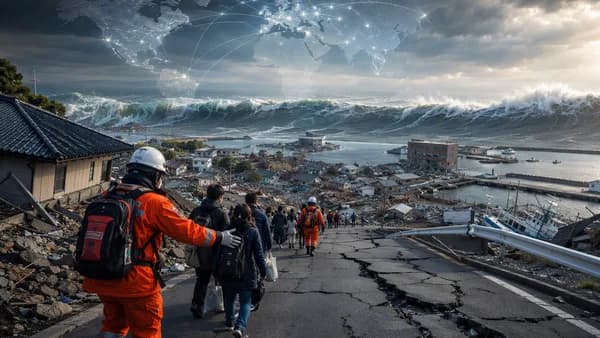 Global Trends
13 Die as Japan Earthquake Traps People at Kumamoto Mall
A 6.8 Japan earthquake killed 13, forced 300,000 to shelter and turned a tsunami alert into a rescue fight in Kumamoto.
Aug 2, 20266 min
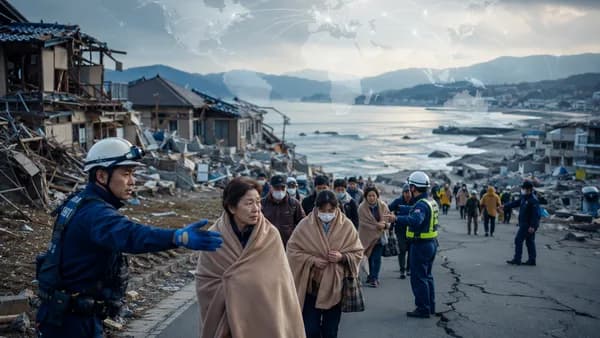 Global Trends
13 Dead as Japan Earthquake Traps Survivors in Rubble
At least 13 are dead after the Kumamoto quake. Crews are digging through a collapsed mall and paper mill for survivors.
Jul 31, 20266 min
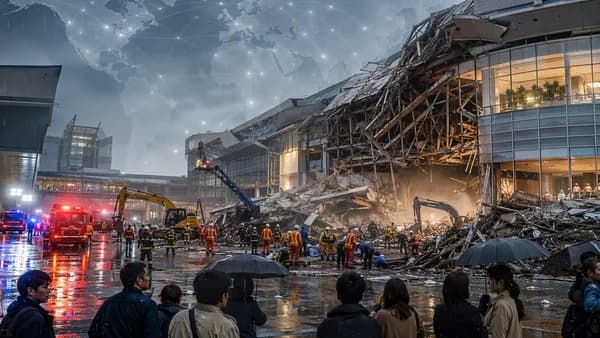 Global Trends
Mall Floor Caves In as Japan Earthquake Kills 13 People
Rescuers are searching Aeon Mall after a deadly Japan earthquake collapsed part of the building and left people trapped.
Aug 2, 20266 min
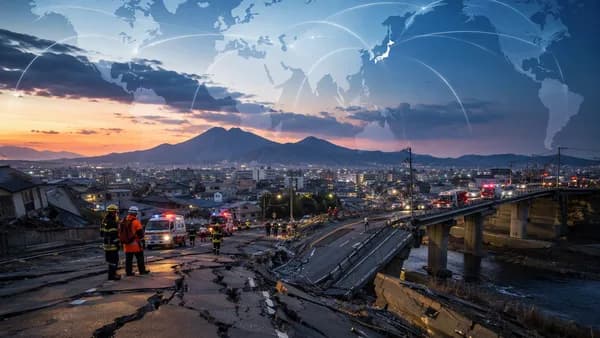 Global Trends
13 Dead as Japan Earthquake Rattles Kyushu's Lifelines
A 7.1 JMA quake killed 13 in Kumamoto, unleashed 100-plus aftershocks, and put Kyushu's infrastructure under the microscope.
Aug 1, 20267 min
 Global Trends
100 Aftershocks Turn Japan Earthquake Into Rescue Race
More than 100 aftershocks hit Kyushu after a 6.8 quake killed 13, turning rescue work into a race against time.
Jul 29, 20265 min
 Trading
Silver Bulls Fail to Smash Through Key $63.30 Resistance
Silver's powerful rally is testing a critical $63.30 resistance level, but analysts warn the surge lacks a decisive breakout signature and remains vulnerable to
Aug 7, 20266 min
 Trading
Pound Defies Rate Reality on Political Relief Rally
The British pound is holding steady despite unfavorable rate spreads, as positive political sentiment under new PM Andy Burnham battles massive financial headwi
Aug 7, 20266 min
 Technology
Nike and Adidas Lose Their Grip on Running Shoes
Established running shoe giants are losing ground to five emerging brands that are winning over testers with better value, durability, and innovative tech.
Aug 7, 20268 min
 Trading
Gold Cliffhanger Awaits Nonfarm Payrolls Friday
Gold's multi-week breakout is clinging to gains, but the rally's fate rests on the incoming U.S. Nonfarm Payrolls report, which will dictate the Fed's next move
Aug 7, 20265 min
 Cybersecurity
Routine Chrome 151 Patch Masks Software's Skeletal Truth
Chrome 151 patched 41 critical flaws as part of routine updates, but misleading headlines have conflated it with a separate, dangerous zero-day patch, revealing
Aug 7, 20266 min
Don't miss the signal
Get our weekly roundup of the stories that matter across tech, fintech, and trading. No noise, just signal.
Free forever. No spam. Unsubscribe anytime.