The cheapest way into Amazon's smart home ecosystem just got 60 percent more expensive.
XOOMAR Intelligence
Analyst Take
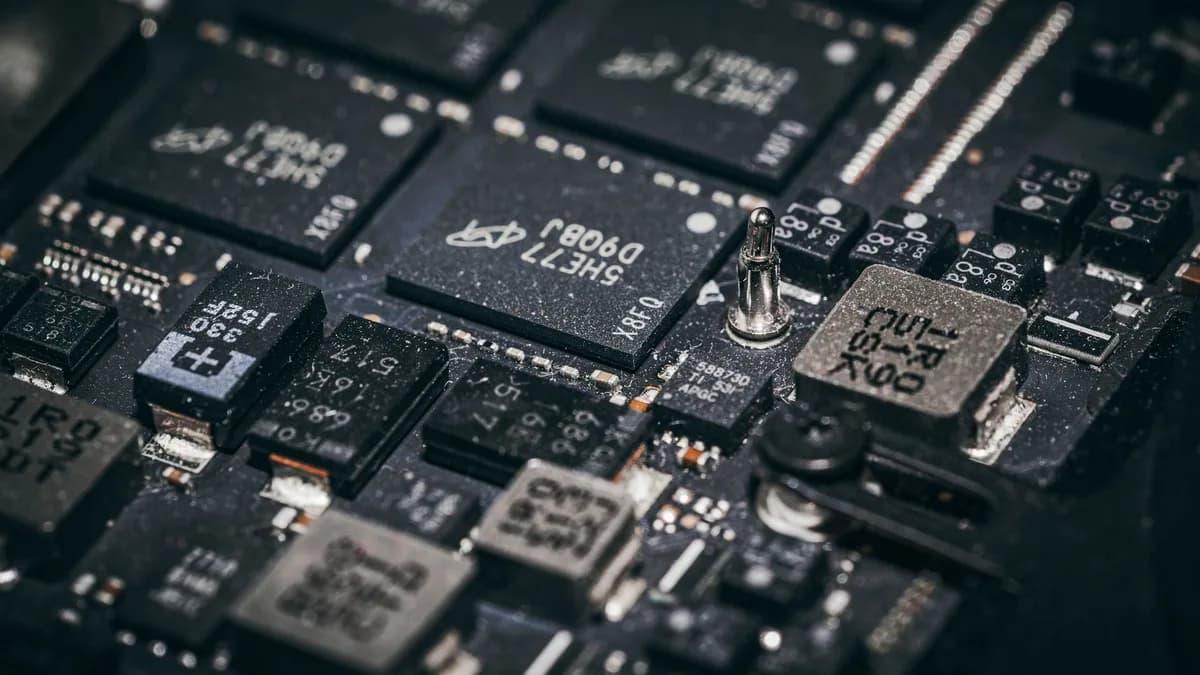
Over the weekend, according to TechCrunch, Amazon booted the price of its entry-level Echo Dot from $49.99 to $79.99. It was an overnight, unannounced move that swept across its main hardware lines: Fire TVs, Kindles, and eero routers saw increases ranging from 11% to over 40%. This is not a tweak; it's a fundamental recalibration of the cost of connected gadgets. By pinning the blame squarely on "significant increases in memory and storage component costs," Amazon has issued the starkest signal yet that the AI-driven memory shortage has moved from squeezing manufacturers to punching consumers directly in the wallet.
From $49.99 to $79.99: Anatomy of the Price Explosion
The increases are not uniform, and the hardest hits target the most budget-conscious buyers. The 60% hike on the Echo Dot stands out, transforming a common impulse buy or gift into a more considered purchase. The Fire TV Stick 4K Max jumped from $59.99 to $84.99. The base model Kindle rose from $109.99 to $149.99.
"The consumer electronics industry is facing significant increases in memory and storage component costs. After absorbing these increases for as long as we could, we recently adjusted pricing across our product lines," an Amazon spokesperson told TechCrunch.
This table, compiled from reports by The Verge and Fortune, shows the breadth and variance of the changes:
| Product | Old Price | New Price | Increase |
|---|---|---|---|
| Echo Dot (5th Gen) | $49.99 | $79.99 | 60.0% |
| Fire TV Stick 4K Max | $59.99 | $84.99 | 41.7% |
| Kindle (16GB) | $109.99 | $149.99 | 36.4% |
| Echo Dot Max | $99.99 | $119.99 | 20.0% |
| eero 7 (3-pack) | $349.99 | $399.99 | 14.3% |
What's notable: Higher-end products, like the Echo Studio speaker and Ring security cameras, were untouched. The pain is focused on the volume drivers. Amazon also stated it would "continue to offer occasional promotions," suggesting the new MSRPs may be a high anchor for future "discounted" sales.
RAMmageddon Arrives in Your Living Room
For years, the memory shortage was a story about delayed car deliveries, impossible-to-find PlayStation stock, and quarterly earnings calls where CEOs bemoaned component costs. Amazon’s move changes the narrative. It proves the constraint is no longer confined to high-margin or complex goods; it has infiltrated the mass-produced, commoditized devices that fill online shopping carts.
The direct link is the AI boom. As Fortune notes, Amazon CEO Andy Jassy recently revealed the company expects to spend $220 billion this year on capital expenditures, primarily for AI data centers, and attributed part of the increase directly to higher memory costs. The industry term "RAMmageddon" is apt: the voracious demand from AI training and inference is siphoning supply from the broader market.
XOOMAR Interpretation: Amazon’s action is a capitulation. It tried to absorb the costs but is now passing them on. This likely means the cost pressure has exceeded the strategic value of using cheap hardware as a loss leader to lock users into its ecosystem. When the world's largest online retailer, with immense supply chain leverage, can't hold the line, the shortage's severity is undeniable.
The Ripple Effect: Who Wins, Who Loses?
Consumers face an immediate, ugly trade-off. The Fire TV Stick, a champion of cheap streaming, now costs nearly as much as a month of premium cable. The Kindle's new price blurs the line between a dedicated e-reader and a low-end tablet. Brand loyalty will be tested by pure economics.
Competitors are now in a delicate dance. Apple has already moved, raising its HomePod Mini to $129 this summer. Google, for now, is holding its Home Speaker at $99.99, which could look like a value play if it can sustain it. The bigger question is for brands like Roku, which enacted similar hikes last month. Amazon's move validates their decision but also escalates the industry-wide price reset.
Amazon itself walks a tightrope. Its hardware has never been primarily a profit center; it's a conduit for retail, Prime subscriptions, and Alexa interactions. As we saw when Amazon Unplugs Alexa+ Paywall in Free Fire TV Gambit, the company is willing to experiment with hardware monetization. This price hike is a more traditional, but potentially more jarring, tactic. It risks slowing device adoption, which could have downstream effects on its services revenue.
Is This the End of the Subsidized Gadget Era?
The central question raised by Amazon's hike is whether the fundamental business model of "cheap hardware" is sustainable. For over a decade, companies have sold devices near or below cost, betting they'll make it back in services, content sales, and data.
Amazon's pricing shift suggests that calculus has broken under the weight of component costs. If the memory shortage persists through 2027 as analysts project, we may see two adaptations:
- Product Redesigns: Manufacturers might pivot to devices with less memory, different types of storage, or more aggressive cloud-dependent architectures to minimize on-board costs.
- The Leasing Model: Apple's introduction of a device leasing program for its higher-priced hardware, mentioned by TechCrunch, could become a template. If consumers balk at high upfront costs, monthly payments might become the norm for mid-tier gadgets.
The long-term winner may not be a competitor, but a change in consumer behavior. If affordable hardware vanishes, the market could simply contract. People might hold onto devices longer, buy used, or skip generations entirely. This would hurt the entire ecosystem that depends on frequent hardware refreshes.
What to Watch Next:
- Google's Next Move: Will it maintain its price point, or follow Apple and Amazon within the quarter?
- Amazon's Fall Device Event: Fortune notes the company has an event this autumn. Any new product announcements will be scrutinized for their price-to-spec ratio and will define the new normal.
- Promotional Activity: Watch how quickly and deeply Amazon discounts these newly priced products. That will reveal the true elasticity of demand and whether these MSRPs are a bluff.
- The Broader Retail Picture: As seen in our coverage of Walmart's Grocery Profits Squeezed as Amazon Takes Bespoke Shoppers, retail margin pressure is universal. A giant like Amazon raising prices on its own products is a canary in the coal mine for consumer electronics spending heading into 2027.
The weekend's silent price update was more than a corporate memo. It was a stress test for the entire consumer tech economy, and the first results are in: consumers will pay more, or they will do without.
What This Means For You
- Consumers will face significantly higher costs for entry-level smart home devices, potentially slowing adoption and competition.
- The price hikes signal that component shortages are now directly impacting consumer electronics pricing, a trend that could spread industry-wide.
- Amazon's positioning as the affordable ecosystem leader is challenged, which may impact customer loyalty and open opportunities for competitors.
Amazon Hardware Price Increases
| Product | Old Price | New Price | Increase |
|---|---|---|---|
| Echo Dot (5th Gen) | $49.99 | $79.99 | 60.0% |
| Fire TV Stick 4K Max | $59.99 | $84.99 | 41.7% |
| Kindle (16GB) | $109.99 | $149.99 | 36.4% |
| Echo Dot Max | $99.99 | $119.99 | 20.0% |
| eero 7 (3-pack) | $349.99 | $399.99 | 14.3% |
Amazon Hardware Price Increases (%)
Primary Sources & Disclosures

Written by
XOOMAR Insights Team
Research and Editorial Desk
The XOOMAR Insights Team pairs automated research with human editorial judgment. We track hundreds of sources across technology, fintech, trading, SaaS, and cybersecurity, cross-check the facts, and explain what happened, why it matters, and what to watch next. We do not just rewrite headlines. Every article is fact-checked and scored for reliability before it goes live, and we link back to the original sources so you can verify anything yourself.