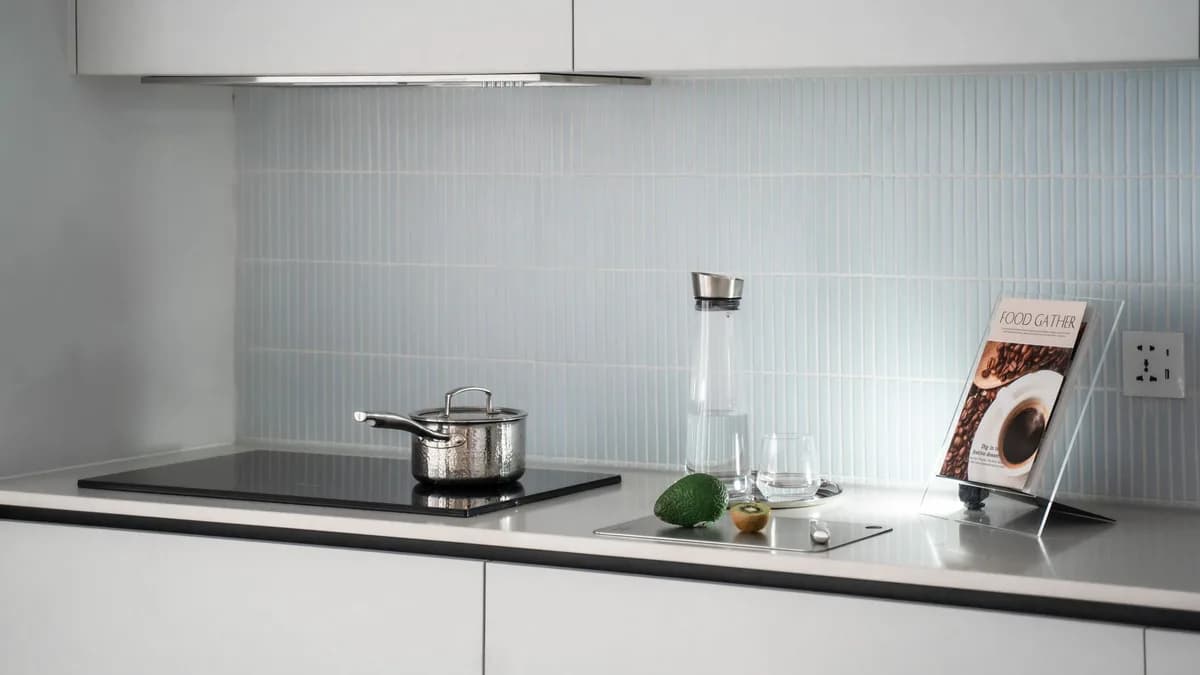
After three decades of cooking with a blue flame and cleaning grimy burners, I made a simple swap. It wasn't just a kitchen upgrade. It was a small act of leaving 20th-century technology, and its compromises, firmly in the past. For anyone clinging to their gas cooktop out of habit or culinary romance, the case for induction cooking is no longer theoretical. It's personal, immediate, and frankly, overwhelming. As Camilla Sharman at Tom's Guide discovered in her own kitchen, the switch isn't about giving something up. It's about gaining precision, speed, and a level of control that makes the old way feel like cooking with a blunt instrument. This is a permanent conversion.
XOOMAR Intelligence
Analyst Take
The Physics That Makes Gas Feel Primitive
The core argument for induction is not about features. It's about fundamental physics. A gas flame transfers heat to the air and the surrounding cooktop before it heats your pan. That's not just inefficient, it's imprecise and wasteful. Induction technology bypasses all that. An electric current flows through a coiled copper wire beneath the glass surface, creating a magnetic field. When you place a ferrous pan on that zone, the pan itself becomes the heat source. Nothing else gets hot.
As Sharman notes, "heat loss is minimal." That's an understatement. This direct energy transfer translates into three undeniable user benefits that anyone, from a home cook to a professional chef, will notice instantly.
1. Speed: If you’ve ever waited for a large pot of water to boil on gas, you know the feeling. Sharman "noticed a massive difference in speed" with her new Hisense Hi8 induction cooktop. Water boils in minutes, not an eternity. This isn't magic, it's efficiency. The power boost function, common on many models, pushes that speed even further.
2. Precision: The "guesswork" of twisting a gas knob to find the perfect simmer is eliminated. Induction models offer exact, numbered power levels. This means you can achieve a true low simmer, effective melting, and crucially, avoid boil-overs that create a mess. As we explored in I Tried an Induction Cooktop: 3 Things I Learned, the leap in control is immediate.
3. Cleanliness: The reason Sharman was "fed up" with her gas stove is etched into every burner grate. The flat, often matte surface of an induction cooktop is a dream to wipe clean. There are no crevices, no detachable parts to scrub, and with precise control, spills are far less likely to bake onto the surface.
The Soul of Cooking Lies in Control, Not Flame
The most persistent counterargument against induction is nostalgic, not technical. It's the "soul" of cooking over an open flame, the visual feedback, the feeling of connecting to a primal element. I understand the romance. I also think it's a crutch.
True culinary craft is about control and repeatable results. Induction delivers that in spades. The "theater" of the flame is replaced by the quiet confidence of knowing your pan will hold precisely 180 degrees for that beurre blanc or that your roux won't burn the second you turn your back. Sharman found the controls "super easy" and the operation "instinctive."
Professional chefs are increasingly recognizing this. Many have adopted induction in their home kitchens or use portable units like Smeg's portable induction cooktop for their precision. This isn't a compromise for convenience. It's the adoption of a superior tool. It allows you to focus on the food, not on managing the volatile energy source heating it. That is a higher form of respect for the craft.
The Single, Manageable Hurdle: Your Pots and Pans
Sharman's lone caution is the one practical detail you absolutely must verify: cookware compatibility. Induction requires magnetic cookware. This means your pots and pans must be made of stainless steel with a magnetic base, cast iron, or enameled cast iron to work. Aluminum or pure copper cookware, unless they have a magnetic base layer, will not function.
This is framed as a hurdle, but it’s often a non-issue. You can test your existing collection in seconds with a simple refrigerator magnet. If it sticks firmly to the base, it’s induction-ready. As Sharman points out, "today, this isn’t a big issue," as most modern cookware is induction-compatible. If you do need to refresh, affordable and excellent options exist, like Ikea's stainless steel sets.
While Sharman's first-person account focuses on immediate user experience, the implications of switching to induction extend beyond the kitchen. It's a decision that moves your home away from on-site combustion, with its associated indoor air quality concerns, and ties your cooking to an electrical grid that is increasingly powered by renewables. The clarity and speed you gain aren't just personal benefits. They're byproducts of a cleaner, more precise technology.
The forward look here is simple for anyone considering a new appliance. When your current stove fails, or when you next renovate, make the leap to induction. Do the magnet test on your favorite pans. Budget for them if needed. The upgrade isn't incremental. It's categorical. You will wonder why you cooked any other way.
What This Means For You
- Induction cooking offers faster boiling and precise temperature control for more efficient meal preparation.
- Switching from gas reduces energy waste and indoor air pollution, benefiting both your utility bills and health.
- Modern induction cooktops are generally safer, with no open flame and cool glass surfaces, lowering burn and fire risk.
Primary Sources & Disclosures

Written by
XOOMAR Insights Team
Research and Editorial Desk
The XOOMAR Insights Team pairs automated research with human editorial judgment. We track hundreds of sources across technology, fintech, trading, SaaS, and cybersecurity, cross-check the facts, and explain what happened, why it matters, and what to watch next. We do not just rewrite headlines. Every article is fact-checked and scored for reliability before it goes live, and we link back to the original sources so you can verify anything yourself.