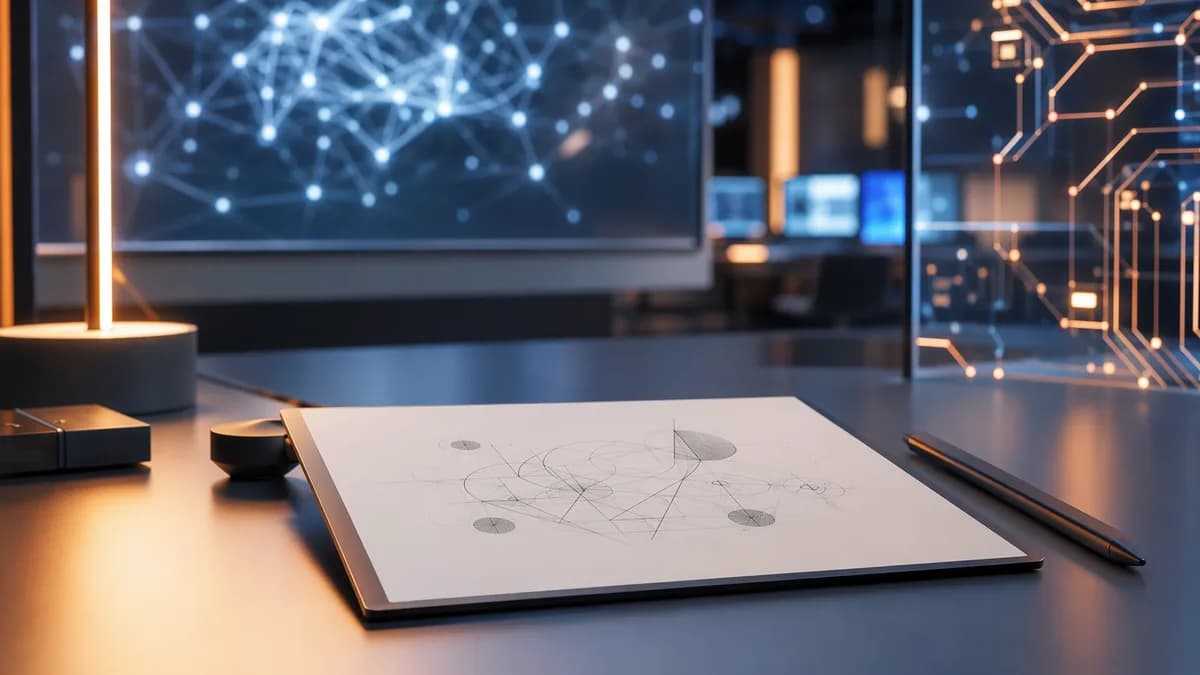
The strongest argument for the reMarkable Paper Pure is that TechCrunch wrote its review on the device itself, which is exactly the kind of proof a focused writing tablet has to earn. For writers, designers, researchers, executives, and anyone who thinks through notes before files, that matters more than another spec-sheet arms race.
XOOMAR Intelligence
Analyst Take
The new $399 reMarkable Paper Pure replaces the reMarkable 2, which TechCrunch says was released six years ago, TechCrunch reports. My thesis is simple: reMarkable Paper Pure succeeds because it protects attention instead of pretending to be a laptop, tablet, e-reader, and productivity hub in one slab.
That is the whole product strategy: a premium writing device built around distraction-free work rather than feature sprawl.
reMarkable Paper Pure gives writers a device that refuses to interrupt them
The core news is not that reMarkable added a monochrome tablet to its lineup. It’s that the company doubled down on a device that deliberately lacks notifications and multitasking apps.
That restraint is the point. The reMarkable Paper Pure is built against phones, iPads, and laptops, not beside them. TechCrunch describes it as a device for reading and writing without distractions, aimed at writers, designers, and researchers. That sounds narrow until you remember how much knowledge work gets wrecked by the constant invitation to check one more tab.
The review-writing test matters
TechCrunch’s Ivan Mehta wrote the entire review on the tablet using its handwriting conversion feature, then edited it in WordPress. That is a stronger endorsement than a benchmark score for this category. If a writing device can carry a real draft from messy handwriting to publishable text, it has crossed the line from novelty to tool.
What else should a distraction-free writing tablet prove, if not that someone can actually write on it?
The reMarkable Paper Pure is not trying to win people who want Netflix, Slack, browser tabs, and split-screen apps. It is for the user who wants to wake the device, pick up the stylus, and stay with the thought long enough to finish it.
Makers get a sharper version of the old reMarkable promise, not a reinvention
The reMarkable 2 already had a clear identity: a digital notebook that felt closer to paper than a conventional tablet. The Paper Pure keeps that identity but updates the parts that affect daily writing.
The new tablet has a 10.3-inch screen, the same size as the reMarkable 2. TechCrunch says reMarkable changed the resolution so the display is wider and shorter, allowing more text to fit across a horizontal line while reading and writing. The reviewer also says the writing experience feels crisper than on the older model.
For builders and product teams, that is the lesson. You don’t always need a dramatic new feature. Sometimes the better move is to reduce friction in the exact place users spend the most time.
| Device | Source-backed positioning | Key distinction |
|---|---|---|
| reMarkable Paper Pure | Successor to reMarkable 2 | $399, monochrome, 10.3-inch screen |
| reMarkable 2 | Previous model | Released six years ago, same screen size |
| Paper Pro | Higher-priced sibling | $499, color screen |
| Paper Pro Move | Smaller sibling | Better portability |
Could reMarkable have added more? Yes. But the company seems to understand that every added feature changes the deal with the user.
Buyers get better workflows, but not a full tablet replacement
The biggest upgrade is not only hardware. It is how notes move off the device.
The reMarkable Paper Pure now supports calendar syncing. Users can open meeting details from a calendar icon, start notes inside that meeting block, convert handwritten notes, and share them with one tap. TechCrunch says users receive an email link to access and share those notes, and they can also use reMarkable’s new web app.
For professionals, that matters. A notebook that traps your thinking is a liability. A notebook that helps you capture ideas, convert handwriting, and send the result onward starts to fit into real work.
Document handling is better, but uneven
The Paper Pure also supports integrations with Drive, Dropbox, and OneDrive for importing and exporting documents. Articles can now be sent to the tablet as a native notebook, which makes highlighting, annotating, and sending material back to the web app easier.
But this is where the device shows its limits. TechCrunch says PDFs still are not handled ideally, with the review guide’s edges cut off during import. The device supports ePUB, but the reading experience is “nowhere near” a dedicated e-reader like Kindle.
Is that a deal-breaker? Only if you buy the Paper Pure expecting one device to absorb every reading and writing habit you have.
Loyal reMarkable 2 users finally have a practical replacement
For existing reMarkable 2 owners, the Paper Pure looks less like a temptation and more like a sane upgrade path. It keeps the notebook-sized monochrome feel. It keeps the writing-first interface. It avoids the learning curve that often comes with hardware refreshes chasing new categories.
That continuity matters. People who use a reMarkable every day are not asking for a general-purpose app machine. They want reliable notebooks, clean drafting, document markup, planning space, and fewer digital side quests.
The pricing also keeps the lineup readable. The $399 Paper Pure sits below the $499 Paper Pro, while the Paper Pro Move serves a smaller, more portable role. That makes the choice feel more about how and where you write than about decoding a crowded tablet lineup.
Should every reMarkable 2 owner upgrade immediately? No. The source material supports a better conclusion: if your current device feels slow, cramped, or disconnected from your workflow, Paper Pure addresses exactly those pain points without changing the product’s personality.
Rivals should notice that restraint is the feature here
The strongest counterargument is obvious: $399 is a lot for a device that mostly does writing, reading, and document markup. A conventional tablet can do far more. Students, casual note-takers, and multimedia-heavy users may get better value from a device with broader app support, color, stronger browser tools, and entertainment features.
That criticism is fair. It is also why the Paper Pure’s restraint works.
reMarkable’s bet is that some work gets worse when the device can do everything. The company does not need to out-feature a laptop or iPad. It needs to create a calmer surface where thinking has fewer exits. TechCrunch’s own test supports that in practical terms: the review was written on the Paper Pure using handwriting conversion before being edited in WordPress.
What should competitors copy from that? Not the monochrome screen alone. The discipline.
A focused writing tablet has to defend its price by producing better sessions, not bigger spec lists. If the Paper Pure helps a user draft more clearly, capture meetings faster, and return to notes without drowning in app noise, its value is in the work that survives.
Buy reMarkable Paper Pure if writing is your work, skip it if writing is an occasional chore
The reMarkable Paper Pure is for people who live in notes: writers building drafts, researchers marking sources, executives capturing meetings, students who think by hand, and professionals who need a quiet place for rough ideas before they become documents.
It is not for buyers who want one screen to replace a laptop, a tablet, and an e-reader. It is also not the right purchase if your note-taking is occasional, your reading is mostly books, or your workflow depends on rich apps and browser tools.
The practical takeaway is blunt: buy the Paper Pure if the act of writing is central to your work. Skip it if you just like the idea of being a person who writes more.
The next thing to watch is how reMarkable connects exported notes to the rest of a user’s tools, especially since TechCrunch raises the question of future integration with other AI tools after export. The company does not need to cram AI features onto the device. It does need to make sure thoughts captured in a quiet place can travel cleanly when the user is ready.
That is the promise. The reMarkable Paper Pure wins because it makes writing feel like the main event again. More devices should have that much self-control.
Key Takeaways
- The Paper Pure’s value comes from protecting focus rather than competing on tablet features.
- TechCrunch writing its review on the device is a practical proof point for its handwriting-to-draft workflow.
- At $399, it targets writers, designers, researchers, and executives who want a dedicated thinking tool.
reMarkable Paper Pure vs. Alternatives
| Option | Role | Key distinction |
|---|---|---|
| reMarkable Paper Pure | New $399 writing tablet | Built for distraction-free reading and writing without notifications or multitasking apps |
| reMarkable 2 | Predecessor | Replaced by Paper Pure after being released six years ago |
| Phones, iPads, and laptops | General-purpose alternatives | Offer broader functionality but invite tabs, apps, and interruptions |
Primary Sources & Disclosures

Written by
XOOMAR Insights Team
Research and Editorial Desk
The XOOMAR Insights Team pairs automated research with human editorial judgment. We track hundreds of sources across technology, fintech, trading, SaaS, and cybersecurity, cross-check the facts, and explain what happened, why it matters, and what to watch next. We do not just rewrite headlines. Every article is fact-checked and scored for reliability before it goes live, and we link back to the original sources so you can verify anything yourself.