
Project Helix isn't just another box for new games. According to a leaked memo obtained by The Verge, Microsoft's next console aims to fuse the entire 25-year history of Xbox into a single platform. It's a declaration of war against the very concept of a console generation.
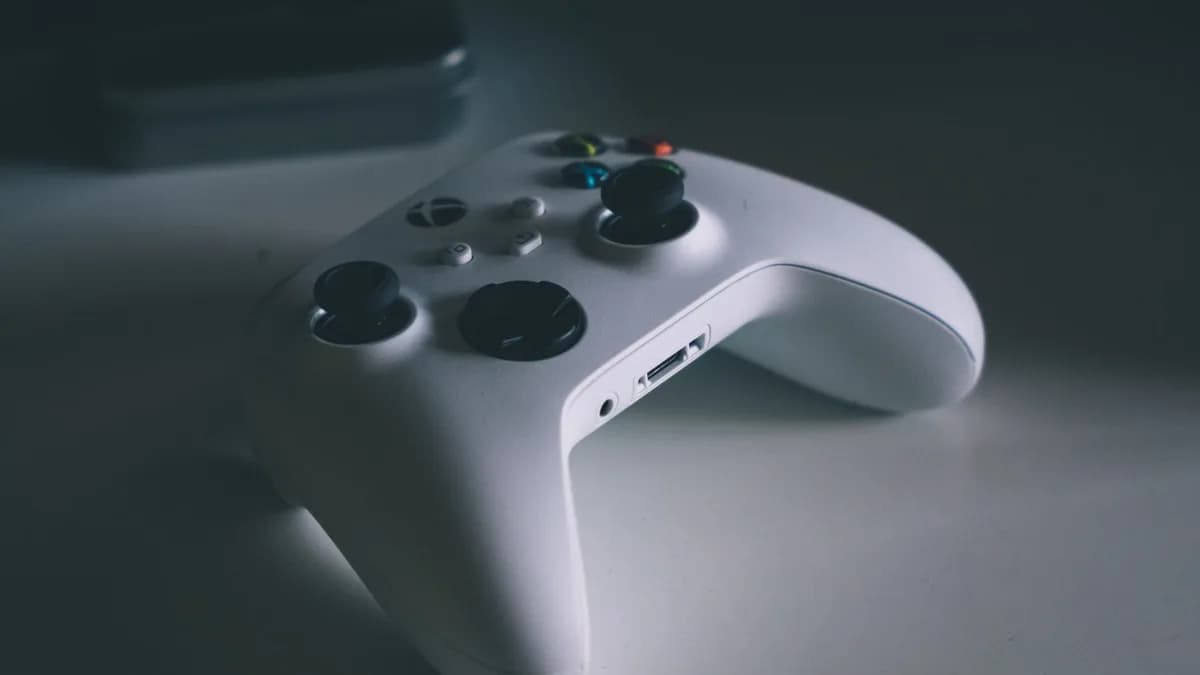
TechnologyAugust 4, 2026· 5 min read· By XOOMAR Insights Team
Microsoft Bets Everything on 25-Year Game Library
Updated on August 4, 2026
XOOMAR Intelligence
Analyst Take
73/ 100
4 sources analyzedMedium confidenceTrend10Freshness100Source Trust88Factual Grounding93Signal Cluster20
The End of the Console Reset Button
For decades, buying a new console meant a painful choice: abandon your old library or maintain a graveyard of obsolete hardware. Project Helix, if executed, shreds that paradigm. The leaked document states the console will run games from five generations: the original 2001 Xbox, the Xbox 360, Xbox One, Xbox Series, and new Helix titles, plus PC games.
This isn't an added feature. It's the core value proposition. The console upgrade decision shifts from "What new games can it play?" to a pure performance calculation. Why would you ever leave a platform where your entire investment—from Halo: Combat Evolved to the latest Call of Duty—persists? Microsoft is attempting to turn the Xbox name from a series of products into a permanent, upgradeable platform.
This follows a pattern of Microsoft seeking to de-risk platform ownership, a strategy detailed in our previous coverage of OpenAI Nvidia Funding Deal where large tech bets aim to lock in ecosystems.
The Devil is in the Digital Permissions
The technical ambition is staggering, moving from the Xbox 360's PowerPC architecture to modern x86. But the greater hurdle is legal. The memo reveals this grand library is not a guarantee. It's an invitation.
"You, the Publisher, keeps full control over rights, pricing, and brand."
Every classic title requires publisher opt-in. Microsoft’s memo is a sales pitch, arguing publishers can turn "dormant SKUs into live, purchasable products again." For disc-based games, Microsoft proposes a "disc-to-digital" program where your physical Xbox One and Series titles become digital licenses on Helix—but again, only if the publisher agrees.
XOOMAR Analysis: This opt-in model creates a fragile, patchwork library. As the source notes, similar models like Nvidia’s GeForce Now have seen permissions revoked. Beloved titles with expiring music or car licenses, like the Forza Horizon series, could vanish from the catalog even after launch. Your "all-time" library could have permanent, publisher-shaped holes.
Carrots, Not Commands: Microsoft’s Publisher Pitch
Why would a publisher opt in? Microsoft’s memo outlines the incentives plain as day:
- Recurring Revenue from Catalog Titles: Old games become new digital storefront products.
- Game Pass Inclusion: Publishers can choose to put legacy titles into the subscription service for a new revenue stream.
- Customer Conversion: "Turn physical disc owners into digital customers." The hope is that a player brought onto the modern digital storefront via their old Mass Effect disc is more likely to buy future sequels there.
The subtext is critical: Microsoft cannot do this alone. Its own catalog, while vast, isn't enough. The 2023-2024 "reset" of Xbox studios, involving layoffs and closures, means Microsoft's first-party slate is leaner. The success of this backwards compatibility vision hinges on third-party buy-in. The memo is Microsoft acknowledging it needs to play nice to make history playable.
A New Competitive Fault Line
This strategy draws a stark line against Sony's PlayStation, which historically leverages generational resets and curated classic re-releases. If Helix delivers, Sony’s model of selling you The Last of Us again for a third time looks less consumer-friendly.
XOOMAR Analysis: The implications ripple beyond console wars.
- For Gamers: The promise is ultimate convenience, but with less ownership. Your library is contingent on corporate agreements and license renewals, a digital rights management reality our reporting on Samsung Smart TV Apps shows is becoming pervasive across devices.
- For the Market: The secondary physical game market could atrophy if disc-digitization is widespread and approved. Collectors and preservationists may find their offline archives officially supplanted by a digital service they don't control.
The Final Hurdle: Power, Price, and Proof
The ambition is clear. The remaining questions are practical.
- Hardware Cost: Leaked specs suggest a powerhouse with AMD RDNA 5 graphics and a dedicated NPU. This, coupled with industry-wide component shortages, points to a premium price tag, potentially well over the traditional $500 console mark. Will consumers pay a PC-like price for a console-PC hybrid?
- The Disc Drive Dilemma: The source notes Microsoft is still deciding if Helix will have a disc drive. Without it, the "disc-to-digital" plan requires sending your discs away or using a separate drive, a clunky process that could limit participation.
- The Proof of Concept: Microsoft's previous backwards compatibility program on Xbox One and Series covered only a fraction of the older libraries. Can they scale the technical and legal work to cover "every" game, or will this be another curated list?
What to Watch Next:
- Publisher Reaction at GDC 2026: Microsoft will need to evangelize this to partners. Watch for early commitments—or notable silences—from major publishers like EA, Ubisoft, and Take-Two.
- The PlayStation Counter: Sony will be forced to respond. Will it double down on exclusivity and remasters, or offer its own, likely more constrained, compatibility solution?
- The Physical Media Endgame: The decision on a disc drive will signal Microsoft's final stance on the physical media era.
Project Helix is betting that in an era of subscriptions and ecosystems, the ultimate lock-in isn't a hot new exclusive. It's every game you've ever loved, forever. The execution of that bet will define the next decade of console gaming.
Why This Changes Everything
- It eliminates the 'console reset' where each generation forces gamers to abandon their existing game libraries.
- It transforms Xbox from a series of products into a permanent, upgradeable gaming platform that preserves 25 years of investment.
- It fundamentally changes the console upgrade decision from 'what new games' to pure performance calculation while accessing your entire gaming history.
Xbox Console Generations Compatibility Comparison
| Console Generation | Release Year | Compatibility with Project Helix |
|---|---|---|
| Original Xbox | 2001 | Yes (with publisher opt-in) |
| Xbox 360 | 2005 | Yes (with publisher opt-in) |
| Xbox One | 2013 | Yes (with publisher opt-in) |
| Xbox Series | 2020 | Yes (with publisher opt-in) |
| Project Helix | Future | Yes, including PC games |
Sources

Written by
XOOMAR Insights Team
Research and Editorial Desk
The XOOMAR Insights Team pairs automated research with human editorial judgment. We track hundreds of sources across technology, fintech, trading, SaaS, and cybersecurity, cross-check the facts, and explain what happened, why it matters, and what to watch next. We do not just rewrite headlines. Every article is fact-checked and scored for reliability before it goes live, and we link back to the original sources so you can verify anything yourself.
Explore More Topics
Related Articles
 Technology
Beast of Reincarnation Exposes Game Freak’s Pokémon Trap
Game Freak’s new action RPG looks slick, but its first big step beyond Pokémon still feels borrowed.
Aug 4, 20268 min
 Technology
Outsourced Thinking Triggers Satya Nadella AI Warning
Satya Nadella says companies handing one AI lab their prompts, metadata and memory risk outsourcing the thinking that keeps them alive.
Jul 27, 20268 min
 Technology
Microsoft AI Models Drag OpenAI Into a Margin Fight
Nadella is turning Microsoft AI models into leverage against OpenAI and Anthropic, with Azure customers and margins at stake.
Jul 30, 20268 min
 Technology
YouTube Premium Peacock Deal Smuggles Ads Into Bundle
YouTube Premium will add Peacock in 2027, turning an ad-free subscription into a messier streaming bundle.
Aug 3, 202611 min
 Technology
Nvidia Risks $250B on OpenAI Data Center Funding Bet
Nvidia may guarantee $250B for OpenAI's Ohio data center lease, pulling the chip giant deeper into AI infrastructure finance.
Aug 2, 20267 min
 Cybersecurity
FBI Agent Stole $1M in Crypto from Monitored Nation State
An FBI agent used his access to steal $1 million in cryptocurrency from wallets his own national security unit was monitoring, leading to his arrest and a major
Aug 4, 202610 min
 Future Fiction
Cyclist Dies After Riding 5,200km For Charity At 82
An 82-year-old man completed a 5,200km cross-country bike ride for charity, celebrated with loved ones, and died peacefully the next day, closing a purposeful f
Aug 4, 20267 min
 Global Trends
Canada Ignores UN Plea to Protect Sikh Activist Being Hunted
UN human rights experts have publicly urged Canada to protect a Sikh activist on its soil, citing documented death threats and accusing the government of failin
Aug 4, 20268 min
 Fintech
South Africa Demands Control Over Every Crypto Penny Abroad
South Africa has proposed radical new rules requiring all cross-border crypto transactions to flow through authorized providers and be reported to the central b
Aug 4, 20266 min
 Technology
OpenAI Brands Apple Lawsuit 'Oddly Personal' in Public War
OpenAI launched a public relations offensive against Apple's trade secret lawsuit, calling it 'careless, aggressive, and oddly personal' in a blog post that rev
Aug 4, 20266 min
Don't miss the signal
Get our weekly roundup of the stories that matter across tech, fintech, and trading. No noise, just signal.
Free forever. No spam. Unsubscribe anytime.