
Bitcoin holding above $65,000 on Monday morning wasn't a story about crypto adoption or ETF flows directly. It was a sign that professional traders were digesting diplomatic chatter from the Strait of Hormuz and betting on lower global risk.
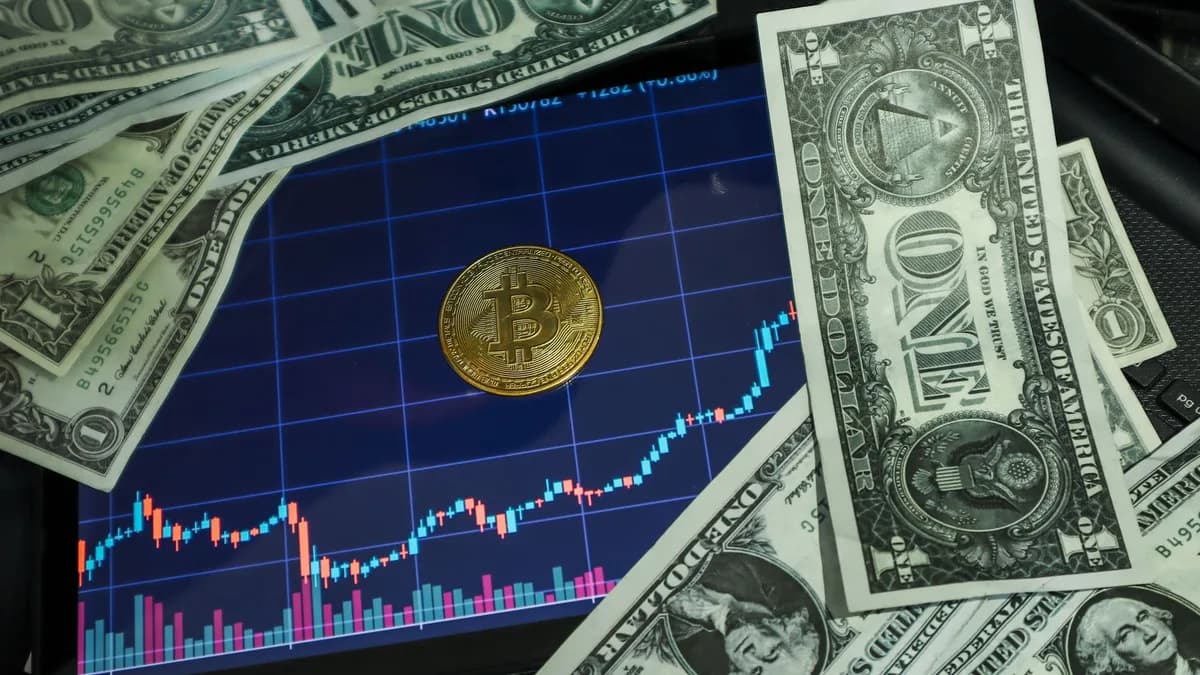
TradingAugust 15, 2026· 6 min read· By XOOMAR Insights Team
Iran Deal Talk Eases Market Fear, Sparks Risk-On Rally
Updated on August 15, 2026
XOOMAR Intelligence
Analyst Take
57/ 100
4 sources analyzedLow confidenceTrend10Freshness96Source Trust88Factual Grounding79Signal Cluster40
The crypto benchmark rose 0.54% to $65,209, while ether gained 0.86% to $1,925. This move tracked an identical 0.45% lift in Nasdaq 100 index futures, according to CoinDesk. The common catalyst wasn't a tech earnings report or a Fed speech, but reports that Iran is prepared to strike a deal with Oman to reopen one of the world's most critical oil chokepoints.
This single trading session shows how deeply geopolitical risk is now priced into digital asset markets in real time. Understanding why a shipping lane thousands of miles away can move crypto prices is key to decoding modern financial markets.
How a Proposed Iran-Oman Deal Influenced Global Markets
Markets react not only to what is, but to what might be. Earlier on Monday, speculation grew that diplomats in Tehran and Muscat were finalizing terms for a deal on the Strait of Hormuz.
Iranian Foreign Ministry spokesperson Esmaeil Baqaei confirmed in early August 2026 that the two sides are finalizing terms.
The reported framework includes a 60-day interim arrangement to trial normalized shipping access. While Iranian officials stressed that signing a deal won't automatically reopen the strait, and that additional conditions likely tied to U.S. sanctions remain, the market's reaction was immediate and decisive.
It was a textbook risk-on pivot. The prospect of de-escalation at one of 2026's most disruptive flashpoints sent a wave of buying through assets sensitive to global growth and stability. This wasn't a crypto-specific narrative; it was a macro hedge fund trade, and bitcoin moved in lockstep with tech futures. The connection between regional geopolitics and global market volatility is direct and immediate, as we analyzed in a recent look at gold's price action amidst the same tensions.
Why Bitcoin's Price Reacted to Strait of Hormuz Headlines
Bitcoin's 0.54% gain alongside the Nasdaq is a clear signal of its current role in institutional portfolios. It acted as a high-beta risk asset, not a stable "digital gold" safe haven.
The logic is straightforward: the Strait of Hormuz is a linchpin for global energy supply. Any disruption sends oil prices soaring, stokes inflation fears, and increases the probability of a global economic slowdown. That's a toxic brew for growth-oriented, speculative assets like tech stocks and cryptocurrencies.
A credible pathway to reopening the strait reverses that calculus. It reduces the "geopolitical premium" baked into oil prices and eases recessionary anxieties. Capital that had fled to the sidelines on heightened fear begins to creep back into the most liquid, volatile markets to capture the upside. Bitcoin, with its 24/7 trading and institutional footprint, is a prime vehicle for that trade. This is consistent with its behavior earlier in 2026, where it traded lower during the peak of the Hormuz disruption.
Takeaway: Bitcoin's correlation with tech futures on this news underscores that its primary driver, for now, is risk appetite, not monetary debasement.
The Strait of Hormuz as the Ultimate Economic Pressure Point
To understand why a potential deal is such a big deal, consider the physical reality of the strait. At its narrowest point, it's roughly 21 miles wide.
Here's what flows through that narrow passage:
- A massive share of the world's seaborne oil and liquefied natural gas.
- In 2021, for context, about 20% of global oil consumption passed through it.
- Major economies, from Japan and China to India and Western Europe, depend on its uninterrupted flow.
A closure or severe disruption is not a hypothetical. When tensions flared earlier in 2026, traffic was effectively disrupted. The resulting surge in oil prices and shipping costs acted as a direct tax on global growth, hitting risk assets across the board.
Oman's role as a potential mediator is crucial. Its diplomacy offers a face-saving, practical mechanism to defuse the crisis. The market's violent reaction to both the initial disruption and the news of de-escalation shows how profoundly this single geographic location influences trillions of dollars in global capital. Traders aren't just watching earnings or inflation data; they are parsing diplomatic statements from the Middle East second by second.
Decoding Bitcoin's Role in the Geopolitical Sentiment Machine
This event offers a masterclass in modern market wiring. Bitcoin and the Nasdaq moved together because they are both classified by large players as risk assets. Their coordinated move highlighted a broad, cross-asset-class sentiment shift. It wasn't an isolated crypto event.
Risk Assets vs. Safe Havens in This Context
| Risk Assets (Rally on De-escalation) | Safe Havens (Sell-off on De-escalation) |
|---|---|
| Bitcoin, Nasdaq futures, high-yield bonds | U.S. Treasuries, the U.S. dollar, gold (to a lesser extent) |
| Why they rallied: Lower global risk = more appetite for growth/volatility. | Why they stalled/sold: Lower global risk = less demand for safety/maximum liquidity. |
Traders use these liquid, volatile assets to place immediate, high-conviction bets on geopolitical outcomes. The long-short ratio for taker volume in crypto futures flipping to 52% longs on this news is direct evidence of that positioning.
For investors, understanding this channel is non-negotiable. The correlation between assets reveals what the market fears most at any given moment. Right now, the market fears a major supply shock above almost all else, and it rewards any sign that threat is receding. This dynamic is forcing traditional finance to adapt, a trend evident in the growing pressure from younger members on credit unions to offer crypto access as a modern portfolio option.
What a Single Headline Reveals About Market Sensitivity
The core lesson from Monday's price action is about speed. In a digital, 24/7 financial ecosystem, news travels instantly, and its psychological impact is nearly immediate. Prices now incorporate geopolitical nuance, a "60-day interim arrangement" with "additional conditions", before most humans have finished reading the headline.
- News algorithms and sentiment scrapers amplify moves.
- Liquid derivatives markets like BTC futures and NDX futures allow for instant, leveraged expression of a view.
- The result is that asset prices become hyper-sensitive, real-time indicators of global risk appetite.
This sensitivity is a double-edged sword. It creates trading opportunities based on informational edges but also fosters flash-risk scenarios where a single unverified tweet or ambiguous statement can trigger cascading liquidations. The fact that Bitcoin’s 30-day implied volatility index (BVIV) fell to a year-to-date low of 35.59% over the weekend, just before this move, shows how quickly calm can erupt into action.
XOOMAR Analysis: As bitcoin gains further institutional adoption, its role as a canary in the coal mine for global risk sentiment will only solidify. Its next major challenge, as hinted by the market's structure, is to break out of its current range. The altcoin season indicator sitting at 37/100 and capital concentration in BTC suggest the broader crypto market is waiting for bitcoin to lead a charge toward $68,000 to $72,000 before significant capital rotates into smaller tokens. Until then, every geopolitical headline from the Gulf will resonate directly on the charts.
Disclaimer: This XOOMAR analysis is for informational and educational purposes only. It is not financial, investment, legal, tax, or professional advice. It does not provide buy, sell, hold, price-target, portfolio, or personalized recommendations. Verify information independently and consult qualified professionals before making decisions.
Why It Matters
- It shows Bitcoin and crypto markets are now moving in real-time on geopolitical events, not just crypto-specific news.
- The prospect of a key oil chokepoint reopening reduces global risk, which directly lifts growth-sensitive assets like tech stocks and crypto.
- This shift means professional traders and macro funds are now key drivers of crypto price action, changing the market's fundamental nature.
Risk Asset Gains Following Deal Speculation
Bitcoin
%0.54
Ether
%0.86
Nasdaq 100 futures
%0.45
Sources
Disclaimer: Content on XOOMAR is produced using AI-assisted research, drafting, and verification workflows and is intended for informational and educational purposes only. It does not constitute financial, investment, legal, tax, medical, or professional advice of any kind. All analysis reflects available information at the time of publication and may not be current. Verify information independently and consult qualified professionals before making decisions. Editorial policy

Written by
XOOMAR Insights Team
Research and Editorial Desk
The XOOMAR Insights Team pairs automated research with human editorial judgment. We track hundreds of sources across technology, fintech, trading, SaaS, and cybersecurity, cross-check the facts, and explain what happened, why it matters, and what to watch next. We do not just rewrite headlines. Every article is fact-checked and scored for reliability before it goes live, and we link back to the original sources so you can verify anything yourself.
Explore More Topics
Related Articles
 Trading
Strait of Hormuz Shutdown Lifts Oil Prices 6%
WTI crude oil jumped over 6% after Iran confirmed talks on shipping routes don't mean the Strait of Hormuz will reopen, setting the stage for a prolonged geopol
Aug 10, 20268 min
 Trading
Trump Demands Iran Pay as Iran Deal Collapse Jolts Oil 7%
Diplomatic posturing dashed any hope for a quick US-Iran deal, triggering a 7% surge in crude oil prices and a global scramble for safety assets, overriding all
Aug 11, 20267 min
 Trading
Crypto's Failed Breakout Leaves Bitcoin Trapped Below $65,000
A brief rally on hopes of Strait of Hormuz de-escalation evaporated overnight, leaving Bitcoin stuck and revealing crypto's inability to decouple from tradition
Aug 13, 20267 min
 Trading
Crude Spike Triggers Crypto Rout
A 5% jump in Brent crude oil revived inflation fears, halting Bitcoin's rally and sparking a sharp selloff in XRP and Ether as bond yields rose.
Aug 11, 20267 min
 Trading
Crude Oil's Missing War Premium Puzzles Traders
The oil market isn't rallying despite escalating U.S.-Iran tensions in the Strait of Hormuz, revealing a surprising stalemate between supply fears and weakening
Aug 13, 20269 min
 Cybersecurity
Insider Demands $7,540 For Cache Of Corporate Secrets
A data analyst contractor was sentenced to two years in prison for stealing employee data and trying to extort $2.5 million, but the company paid just $7,540 to
Aug 14, 20267 min
 Fintech
Young Members Say 'Buy Bitcoin' to Struggling Credit Unions
A generational rift is opening inside credit unions as younger members demand crypto services that cautious leadership, worried about security, refuses to provi
Aug 14, 20266 min
 Technology
Your AI Agent's Biggest Threat Isn't Its Mind
The most critical flaw in enterprise AI isn't hallucination. It's agents executing technically correct actions they were never authorized to take, which require
Aug 15, 20267 min
 Global Trends
Lake Mead Hits All-Time Low, Threatens Hoover Dam
Lake Mead, the largest U.S. reservoir, just fell to its lowest level ever, moving the Southwest's foundational water crisis into the present and endangering the
Aug 15, 20266 min
 Trading
Japan's Financial Shield Shatters as Yen Crashes 0.6%
Japan unexpectedly posted a current account deficit for the first time in 17 months, sending the yen tumbling as traders question the country's long-term econom
Aug 15, 20266 min
Don't miss the signal
Get our weekly roundup of the stories that matter across tech, fintech, and trading. No noise, just signal.
Free forever. No spam. Unsubscribe anytime.