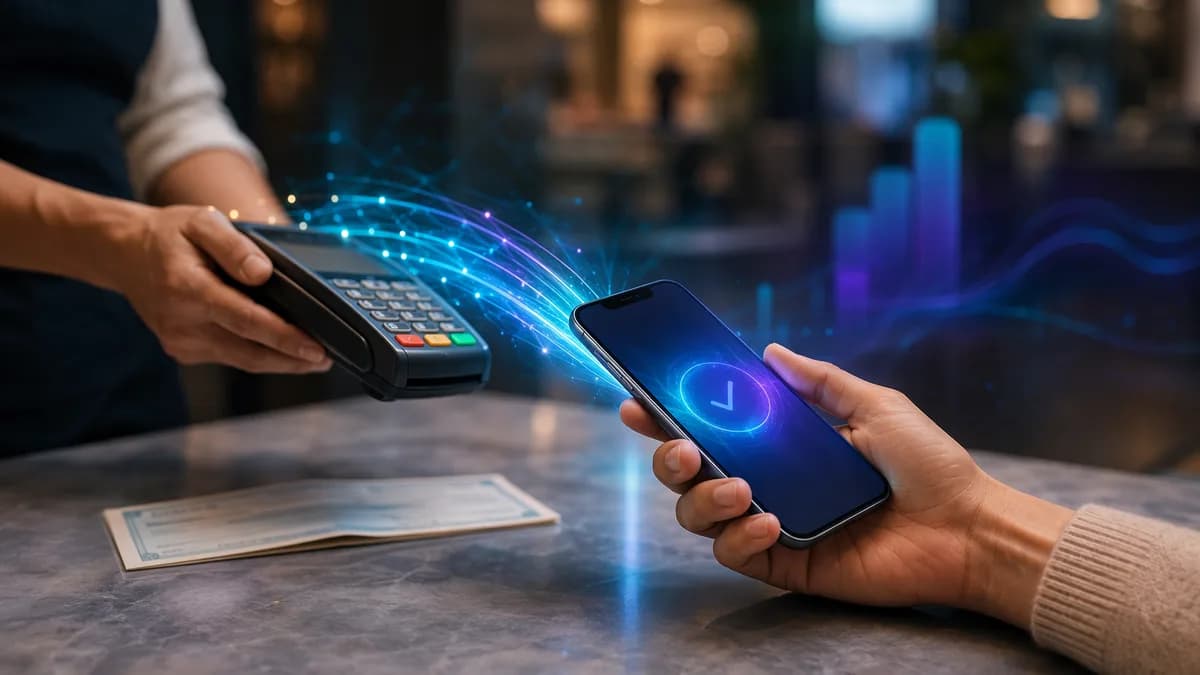
Slow payouts are becoming a customer experience failure
The payout experience is now a loyalty test, and companies that still treat it as back-office plumbing are telling customers exactly how little the relationship matters. Consumers can spend from a phone in seconds, yet a refund, rebate, insurance payout, or incentive can still arrive through a process that feels built for another era.
XOOMAR Intelligence
Analyst Take
That gap is becoming harder to ignore. A Payments Dive piece argues that businesses need to rethink the payout experience as consumer expectations shift toward faster, more flexible digital options, according to Payments Dive. The core issue is not just whether money eventually arrives. It is whether the process matches the way people already expect money to move.
That is the whole problem. Companies have optimized the moment money comes in. They have neglected the moment money goes back out.
Instant spending has reset expectations for refunds, wages, and reimbursements
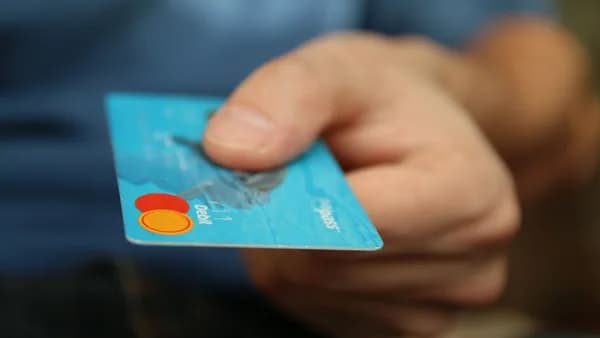
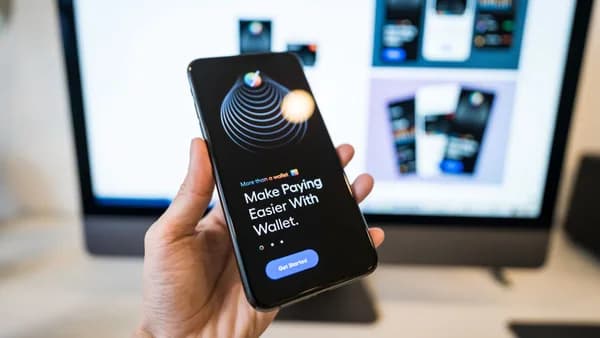
Digital wallets, payment apps, card-on-file checkout, and real-time money movement have changed what “normal” feels like. A consumer can tap to buy, split a bill, or reload a wallet without thinking about the rails underneath. Then a business owes that same consumer money and suddenly the process becomes vague, slow, and oddly manual.
The source focuses on refunds, rebates, insurance payouts, and incentives. The same expectation gap can show up anywhere a platform owes money to a user, but the verified evidence here is strongest for consumer-facing payouts. If a traveler is waiting on a refund, a patient is waiting on a reimbursement, or a customer is waiting on a billing correction, the payout is not an administrative afterthought. It is the next product interaction.
Here is the contrast that should worry executives:
| Payout signal | What it suggests | XOOMAR read |
|---|---|---|
| Digital preference | Consumers increasingly expect modern payout options | Digital is no longer optional for many consumer flows |
| Legacy methods | Older payout processes can remain embedded even when expectations change | Operational habit may be beating customer preference |
| Recipient friction | Delays, limited visibility, and manual steps can make payouts feel harder than they should | Paper-heavy or opaque flows create pain at a sensitive moment |
| Speed expectations | Younger and digitally native users are likely to judge payouts against instant payment experiences | The baseline is being reset by everyday money movement |
| Value of faster access | Some recipients may see speed as more than a convenience | Faster payout access can become part of the product value proposition |
The payout experience now carries meaning. It tells the recipient whether the company understands how money moves in their daily life.
The payout experience now decides whether users come back
Payouts often happen after friction. A billing correction means something went wrong. A refund may follow a return, cancellation, or disappointment. An insurance payout can land during stress. An incentive or rebate is a promise the company already made.
That is why payout quality punches above its operational weight. A slow payout does not merely delay funds. It extends the emotional life of the problem. A fast, clear payout can close the loop and restore confidence.
The source points to the importance of meeting consumers with payout experiences that feel aligned with modern payment behavior. That matters because inconvenience is not neutral. It becomes a memory attached to the brand.
A company may think it has completed the obligation once finance approves the disbursement. The customer does not. The customer decides the obligation is complete when the money arrives in a usable place, with no mystery and no chase.
For adjacent XOOMAR context on how trust is becoming a competitive surface in financial services, see Velera CEO Warns Credit Unions Their Trust Edge Is Fading and Bank of America Digital Banking Seizes Deposit Edge. Those are not evidence for Onbe’s payout data, but they point to the same boardroom question: where does trust actually get won or lost?
Businesses that delay payouts create hidden costs they don't measure
Slow payouts create visible customer frustration. They also create quieter internal drag. When recipients do not know where the money is, they ask. When they cannot use the method offered, they complain. When a payout takes effort to access and time to clear, the business has turned a settled obligation into a lingering support burden.
The Payments Dive piece does not quantify support-ticket costs, failed transfer rates, or churn. So the fair analysis is narrower: any company still using unpopular or outdated payout methods should measure whether those methods create avoidable contact, delay, or dissatisfaction in its own data. If legacy processes remain common despite changing consumer expectations, that mismatch deserves executive attention.
The operational argument is simple. A payout flow with unclear timing, limited options, and weak communication forces users to become project managers for their own money. That is bad product design. It also wastes the goodwill a refund, claim, rebate, or incentive was supposed to create.
What would weaken this thesis? Internal evidence showing that legacy payout methods produce no additional complaints, no slower resolution, and no lower repeat behavior. Most companies won’t know until they instrument the payout journey properly.
Payout choice will separate modern platforms from legacy payment stacks
Speed matters, but speed alone is not enough. The source points to consumer preference for digital payment methods, and that phrase covers a practical reality: people do not all want money in the same place. Some want a bank account. Some want a wallet. Some may prefer a card-based option or a prepaid route, depending on the context.
The strongest payout experience gives the recipient control without making the process feel like a maze. It should show the available methods, expected arrival timing, any fees if applicable, and confirmation when funds arrive. The best systems feel almost boring because nothing disappears into uncertainty.
The weak ones become visible for the worst reason. The customer has to ask: where is my money?
That question is toxic because it lands after the business has already acknowledged it owes something. At that point, opacity feels less like a process gap and more like disrespect.
Yes, payout speed has risk questions, but delay is a lazy answer
The fair counterargument is that payout programs carry cost, complexity, and risk. Disbursements are not trivial, especially when businesses need to manage fraud exposure, compliance obligations, reconciliation, and program oversight.
But the wrong answer is to let legacy friction masquerade as discipline. Blanket delay may feel safer to an organization, but it also punishes good recipients and trains customers to distrust the brand’s promises. The better test is whether a company can offer faster, more flexible payouts while still maintaining controls appropriate to the program.
This is where executives should be precise. The source does not prove every payout should be instant. It does point to rising consumer expectations around digital payout experiences and faster access to funds. A serious payout strategy should distinguish between cases that need review and cases that can move quickly.
Delay should be a risk decision, not a default setting inherited from old systems.
Executives should treat payout design as product strategy
The payout experience belongs on the product roadmap. Finance and operations still matter, but they should not own this alone. If the payout moment affects trust, retention, and brand memory, then product leaders, customer teams, and executives need direct visibility into how it works.
Start with basic measurement:
- Completion time: How long from approval to usable funds?
- Failure rate: How often does the payout not complete cleanly?
- Method adoption: Which payout choices do recipients actually select?
- Support contact rate: How often do users ask where the money is?
- Satisfaction: How do users rate the payout after completion?
- Repeat behavior: Do users come back after a payout event?
These metrics turn an invisible back-office process into a customer experience surface. They also reveal whether the company’s payout experience matches what recipients now expect.
The practical move is to map every payout journey. Refunds. Rebates. Claims. Incentives. Corrections. Then remove the moments where users lose visibility, choice, or confidence.
The companies that pay people well will win the next loyalty fight
Audit the payout experience now, before a faster rival turns it into an acquisition message. The direction is clear: consumers increasingly expect payout experiences that are digital, transparent, flexible, and easier to use than the legacy processes many businesses still rely on.
That does not mean every business needs every rail tomorrow. It does mean every business that owes money to consumers needs a point of view. Money owed is not a backend task. It is a promise.
The next competitive edge won’t only be how easily people can pay you. It will be how confidently you pay them back.
Disclaimer: This XOOMAR analysis is for informational and educational purposes only. It is not financial, investment, legal, tax, or professional advice. It does not provide buy, sell, hold, price-target, portfolio, or personalized recommendations. Verify information independently and consult qualified professionals before making decisions.
The Bottom Line
- Payouts are becoming a core part of the customer experience, not just a back-office function.
- Slow or inflexible refunds and reimbursements can weaken customer trust after the sale.
- Companies that modernize payouts may gain a loyalty advantage as expectations for real-time money movement rise.
Customer Payment Experience vs. Payout Experience
| Area | Current Customer Expectation | Business Risk |
|---|---|---|
| Payments in | Instant digital spending through wallets, apps, and card-on-file checkout | Customers now expect money movement to be fast and seamless |
| Payouts out | Refunds, rebates, insurance payouts, and incentives often feel slow or manual | A poor payout process can damage loyalty and trust |
Primary Sources & Disclosures
Disclaimer: Content on XOOMAR is produced using AI-assisted research, drafting, and verification workflows and is intended for informational and educational purposes only. It does not constitute financial, investment, legal, tax, medical, or professional advice of any kind. All analysis reflects available information at the time of publication and may not be current. Verify information independently and consult qualified professionals before making decisions. Editorial policy

Written by
XOOMAR Insights Team
Research and Editorial Desk
The XOOMAR Insights Team pairs automated research with human editorial judgment. We track hundreds of sources across technology, fintech, trading, SaaS, and cybersecurity, cross-check the facts, and explain what happened, why it matters, and what to watch next. We do not just rewrite headlines. Every article is fact-checked and scored for reliability before it goes live, and we link back to the original sources so you can verify anything yourself.