
RAM price hikes and component shortages are making the cheap new computer feel harder to find. That is the signal beneath a difficult week of hardware pricing, where several consumer tech announcements suggested that supply-chain pressure is moving from background concern into the prices shoppers see.
TechnologyJune 27, 2026· 8 min read· By XOOMAR Insights Team
AI Data Centers Turn RAM Prices Against Cheap New PCs
Updated on June 28, 2026
XOOMAR Intelligence
Analyst Take
78/ 100
4 sources analyzedMedium confidenceTrend10Freshness97Source Trust88Factual Grounding91Signal Cluster60
The pressure is now visible across PCs, tablets, and some gaming hardware, according to The Verge. The sharpest example is Valve’s Steam Machine, a console-like PC that starts at $1,049 with 512GB of storage. The broader message is harsher: waiting for a bargain now looks less like patience and more like a bet against a tightening component market.
The $1,049 Steam Machine makes cheap new hardware feel distant
Valve’s Steam Machine was supposed to make living-room PC gaming feel more approachable. Instead, its launch price lands like a warning label for the broader hardware market.
The base model starts at $1,049, per The Verge. The outlet says its testing found performance on par with the PS5, but the price sits far above what many console shoppers are used to seeing.
That gap matters because Valve is not a boutique laptop brand charging for thinness or prestige. It is selling a console-like PC. When that category opens above $1,000, the mainstream upgrade cycle starts to look strained.
Valve also made clear that price was a difficult part of the product story. The point now is larger. The Steam Machine is not an isolated sticker shock event. It is one of the clearest signals that RAM price hikes and broader component shortages are reshaping what “entry-level” means.
RAM price hikes are turning memory into the price-setting component
Memory used to be the spec shoppers noticed after the processor and screen. Now it is becoming the part that can decide whether a product can hit its target price at all.
The Verge describes pressure tied to RAM and other components, with consumer hardware makers facing a tighter parts market than shoppers may be used to. That matters because memory and storage are not optional extras in modern devices. They are baseline requirements, and higher costs can quickly show up in the final price or in reduced specifications.
That is the heart of the story. If memory and storage remain expensive, then the current round of pricing may not be a temporary surcharge dressed up as a shortage. It may be a reset.
The strongest counterpoint is that companies can redesign products, cut specs, or absorb some costs. Microsoft did introduce cheaper Surface options this week. But cheaper entry points do not automatically mean better value if the configuration changes or if shoppers must pay more to get the level of memory they expected.
That is not a clean price cut. It is a compromise.
The new upgrade penalty is showing up across categories
The most useful way to read this week’s announcements is not as separate product stories. It is one broader repricing event.
| Company or product | New price signal | The catch |
|---|---|---|
| Valve Steam Machine | Starts at $1,049 | Base model has 512GB storage |
| Microsoft Surface | Cheaper options introduced | Lower entry prices can still involve specification trade-offs |
| Apple hardware | Price pressure reported | Component costs remain a concern |
| Xbox hardware | Console pricing remains under pressure | Buyers may see fewer easy bargains |
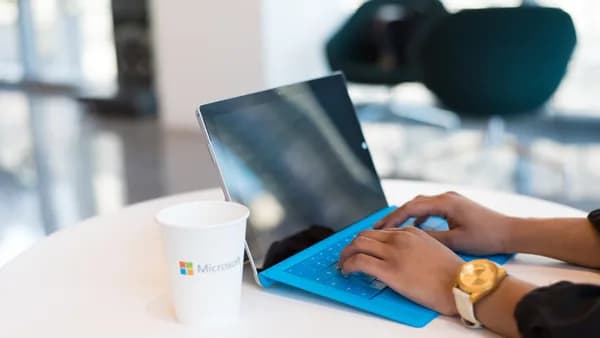
The Surface example is especially revealing. Microsoft’s lower-priced Surface options give shoppers a cheaper way in, but they also show how companies may respond when components get expensive: adjust the product, not just the price.
That is the new upgrade penalty. Shoppers either pay more for the configuration they expected, or they accept a device shaped around a tighter bill of materials.
Apple’s situation makes the pressure harder to dismiss. The company has also been part of the broader discussion around hardware costs and price increases. The same pattern keeps appearing: component pressure is not staying hidden inside supplier contracts. It is spilling into consumer electronics pricing.
Microsoft’s cheaper Surface models prove the counterargument, then weaken it
There is a reasonable objection here: not every announcement was a simple hike. Microsoft did add cheaper Surface options. That gives shoppers a lower entry point.
But the trade-off is the tell. A lower sticker is not always the same product value if the device is reshaped around cost constraints. It may still be useful, but it is not the same as prices simply falling.
This is where RAM price hikes become more damaging than a premium-brand markup. A single company can overprice a device and get punished. A shortage across memory and storage hits every vendor trying to build modern computing hardware. It squeezes low-end devices because there is less margin to absorb costs, and it squeezes high-end devices because buyers expect more memory and storage as baseline features.
Console buyers are not insulated from the same pressure. Gaming hardware depends on the same broader component ecosystem, and when storage and memory costs move, platform owners have fewer easy choices. They can raise prices, adjust bundles, absorb costs, or wait for supply to improve. None of those options makes the next upgrade feel cheaper.
Hardware buyers are being asked to pay more without always seeing more
For consumers, the painful part is simple: many of these price moves do not come with an obvious performance reward.
A Steam Machine may still appeal to PC gamers who want Valve’s living-room format. A Surface buyer may accept a cheaper model to keep the upfront price down. A console buyer may still need new hardware. But the value equation has changed. The market is asking buyers to spend more, accept lower specs, or delay replacement.
For manufacturers, the logic is also clear. If component costs jump and supply is uncertain, visible price increases may be cleaner than selling hardware at unattractive economics. The reputational hit is real, but so is the cost of pretending old price points still work.
Memory suppliers sit in a stronger position when demand is high and supply is tight. Consumer hardware makers still need parts for finished devices, while shoppers expect those devices to keep improving without getting much more expensive. That tension is central to the shortage story.
Retailers and platform owners face a more mixed picture. Higher average selling prices can help revenue per unit, but there is a risk that buyers stretch device lifespans rather than accept the new math. That risk is analysis, not a reported result. The evidence to watch would be weaker unit sales, deeper discounting on older inventory, or companies reversing recent increases.
2026 upgrades may become triage, not impulse buys
The practical read is blunt: if a current machine works, delaying an upgrade may be rational. If hardware is failing, the buyer may face fewer attractive discounts and tougher trade-offs.
The Verge’s reporting supports one near-term conclusion: new computer prices are more likely to stay elevated than snap back quickly while RAM and component shortages persist. The Steam Machine’s starting price is the clearest example because it puts the issue in front of a mainstream gaming audience, not just workstation buyers or enthusiasts comparing spec sheets.
This thesis would weaken if memory and storage supply loosened quickly, if component competition cooled, or if major hardware makers reversed hikes without cutting specs. It would strengthen if more companies follow the same pattern with similar price moves or lower-priced models that ask buyers to accept reduced configurations.
For now, RAM price hikes have made affordability a feature again. Not a marketing slogan, a constraint. The next signal to watch is whether holiday discounts come from genuinely cheaper new configurations, or mostly from older inventory companies need to clear before the next expensive refresh.
The Bottom Line
- RAM price hikes are pushing computer costs into prices shoppers can see.
- The Steam Machine’s $1,049 starting price shows entry-level hardware is becoming harder to define as affordable.
- Waiting for discounts may be riskier if component shortages keep tightening supply.
Steam Machine vs. Console Expectations
| Item | What the article says | Reader impact |
|---|---|---|
| Valve Steam Machine | Starts at $1,049 with 512GB of storage and PS5-level performance in The Verge testing. | Signals that console-like PC gaming is getting more expensive. |
| PS5 | Used as the performance comparison point, with shoppers generally expecting lower console pricing. | Makes the Steam Machine’s launch price feel steep for mainstream buyers. |
Valve Steam Machine Starting Price
Steam Machine base model
$1,049
Sources

Written by
XOOMAR Insights Team
Research and Editorial Desk
The XOOMAR Insights Team pairs automated research with human editorial judgment. We track hundreds of sources across technology, fintech, trading, SaaS, and cybersecurity, cross-check the facts, and explain what happened, why it matters, and what to watch next. We do not just rewrite headlines. Every article is fact-checked and scored for reliability before it goes live, and we link back to the original sources so you can verify anything yourself.
Explore More Topics
Related Articles
 Technology
Microsoft's PC Tax Hike Ignites Sticker Shock on New Windows
Microsoft is implementing a 7-10% price hike for Windows 11 licenses to PC makers, a significant increase that will add further cost pressure to new computers a
Aug 10, 20267 min
 Technology
Sony’s Headphones Plans Revealed to Block Rivals
Sony is rumored to launch a more affordable WH-1000XM4 variant in 2026, a tactical play to retain its massive user base and defend its market share against comp
Aug 7, 20267 min
 Technology
Apple Splits iPhone 18 Launch, Delays Base Model Until 2027
Apple is fracturing its iconic September launch, planning to debut only iPhone 18 Pro models this fall and holding the standard iPhone 18 until 2027.
Aug 12, 20267 min
 Technology
Samsung's Galaxy Watch Ultra 2 Beats Apple Watch in Run Test
In a real-world 10K test, the Samsung Galaxy Watch Ultra 2 outperformed the Apple Watch Ultra 2 for a dedicated runner in three key areas, challenging Apple's p
Aug 10, 20267 min
 Technology
OpenAI Exposes How Apple's Security Failed to Protect Secrets
OpenAI is trying to get Apple's trade secrets lawsuit dismissed by arguing Apple's own security failures, including letting ex-employees keep iCloud access, mea
Aug 9, 20266 min
 Fintech
Bank of England Bets on Crypto for UK Trade Finance
The Bank of England is building a single automated payment flow combining a CBDC and stablecoins, specifically to speed up trade finance and unlock working capi
Aug 12, 20266 min
 Fintech
Banks Revolt Against Regulator's Crypto 'Live Surveillance
Major US bank groups are fighting a new OCC rule demanding weekly, transactional-level reports on stablecoin activity, arguing the profound compliance burden co
Aug 12, 20266 min
 Technology
Australia Forces Tech Giants Pay News Publishers
Australia's major parties united to pass a law forcing digital platforms like Meta and Google to pay media companies for news content, shifting from negotiation
Aug 12, 20266 min
 Cybersecurity
Germany Scraps Postwar Spy Curbs After Security Lapses
Germany dismantles the core legal restrictions on its intelligence agencies established after WWII, a historic pivot from defensive caution toward proactive, of
Aug 12, 20265 min
 Fintech
Western Union Buys a Sinking Ship for $500 Million
Western Union's $500 million deal for remittance firm Intermex looks disastrous as revenue plunges 18%, revealing the company's frantic—and failing—defense agai
Aug 12, 20266 min
Don't miss the signal
Get our weekly roundup of the stories that matter across tech, fintech, and trading. No noise, just signal.
Free forever. No spam. Unsubscribe anytime.