
On Tuesday, the race to contain the France and Spain wildfires narrowed to a brutal weather window: crews had only limited time to hold fire lines before another heatwave was expected to raise temperatures and sharpen the risk of flare-ups.
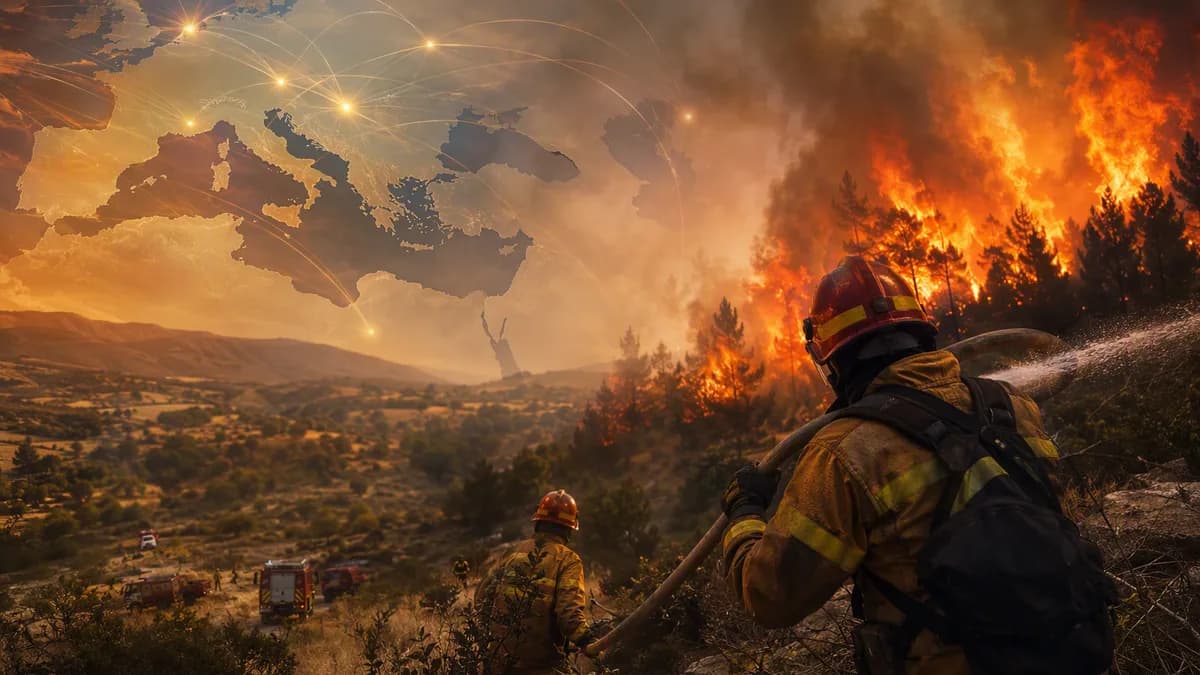
Global TrendsAugust 2, 2026· 7 min read· By XOOMAR Insights Team
Heatwave Squeezes Crews at France and Spain Wildfires
Updated on August 2, 2026
XOOMAR Intelligence
Analyst Take
69/ 100
4 sources analyzedMedium confidenceTrend10Freshness95Source Trust90Factual Grounding92Signal Cluster20
Firefighters in both countries were battling major blazes after mass evacuations, with French President Emmanuel Macron warning that “we have to hold out” and Spanish Prime Minister Pedro Sanchez warning of “difficult hours” ahead, according to Guardian World. The common thread is clear. Fire response is no longer just about where flames are today. It’s about whether crews can gain enough control before heat, wind, and dry vegetation reset the emergency.
Tuesday’s race in France and Spain turns on the next heatwave
The France and Spain wildfires are unfolding as a synchronized emergency across southern Europe, not as isolated regional disasters. France is fighting a major fire near Bordeaux, while Spain is battling blazes west of Madrid and in other affected areas.
The human scale is already severe. Euronews reported that more than 300,000 people had been forced to flee their homes across the two countries, describing it as one of Europe’s largest evacuation operations in decades. France24, citing AFP, put the figure at more than 325,000 people.
That difference in reported totals reflects a fast-moving crisis, but the direction is not in doubt. Evacuations are expanding, shelters are under pressure, and fire crews are working against forecasts that point to higher temperatures this week.
“The coming weeks will be tough and we have to hold out,” Macron said, according to Euronews.
This is the key timing problem. Firefighters can contain sections of a blaze overnight or during calmer weather. A new heatwave can dry fuels further and undo that progress in hours.
Gironde near Bordeaux shows why France calls this season “completely exceptional”
The fire near Gironde, close to the south-western city of Bordeaux, has become the center of France’s wildfire emergency. French authorities have described this year’s wildfire season as “completely exceptional”, with more than 116,000 hectares of forest and vegetation burned since the beginning of the year, compared with 70,000 in total last year, according to the Guardian source material.
The Gironde fire alone has burned around 42,000 hectares over six days, forced 220,000 people to evacuate, and destroyed 240 homes, Euronews reported. France24 said the blaze had shut 45 campsites, disrupting the plans of around 40,000 people, while another 30,000 people had fled fires in other parts of France.
Dry vegetation, persistent heat, and shifting winds have made containment fragile. France24 quoted one firefighter saying:
“The wind is changing so much, it’s really the fire calling the shots.”
The fire has also produced a pyrocumulonimbus, according to France’s national firefighters federation as cited by France24. That is a giant fire-generated cloud that can create its own winds, lightning, and sometimes tornado-like effects, which can spread or ignite new fires. For firefighters, that changes the problem from a moving fire front into a volatile weather system created by the fire itself.
The Gironde local authority said the fire had remained “broadly stable” overnight, France24 reported. That is progress, but not control. Stability before a heatwave is a pause, not a win.
Spain’s “difficult hours” warning lands as fire fronts keep moving
Spain is facing its own high-risk window. Firefighters are battling blazes west of Madrid, where around 60,000 people have been evacuated, according to Euronews. France24 reported that around 75,000 residents had been evacuated from the Madrid region, Avila, Toledo, and Castellon in Valencia.
The largest reported damage is severe. Euronews said around 77,000 hectares had been burned by current fires in Spain, roughly the size of Hamburg. Spain’s weather agency AEMET forecast a new heatwave from Wednesday until the end of the week, with temperatures reaching 42C in the northeast and 39C in central areas.
Sanchez framed the warning in plain terms:
“We face difficult hours, complex hours” ahead, he warned.
Interior Minister Fernando Grande-Marlaska also said the coming hours would be “absolutely decisive” as temperatures begin rising again, according to Euronews.
Spain’s fire response is being stretched across multiple fronts. In Castellon province, Economic Times reported that unexploded ordnance from the Spanish Civil War had complicated firefighting because ammunition can detonate when flames reach affected areas. That is a specific operational hazard layered on top of heat, smoke, and evacuation pressure.
For readers following separate Spain-related pressure points, XOOMAR has also covered Ceuta Migrant Crossings Shatter Europe’s Schengen Trust and Ceuta Migrants Breach Spain’s Fortress Border by Sea. Those are separate stories, but they show why Spain’s crisis-management capacity is under close public scrutiny.
Evacuations force crews to defend roads, towns, and shelters at once
Mass evacuation changes the firefighting equation. Crews aren’t only trying to stop flames in forests. They must defend homes, keep transport routes open, protect campsites and towns, and coordinate shelters for people who may not know when they can return.
France24 captured that uncertainty through evacuee Olga Congacha, who fled Robledo de Chavela in the Madrid region:
“Everyone had to get out of the village quickly -- it was a critical situation and people were scared,” she told AFP.
“My husband and I left with all that we could grab -- our important documents and some clothes.”
The numbers make the logistics stark.
| Area | Reported pressure point | Source detail |
|---|---|---|
| Gironde, France | 220,000 evacuated | Euronews |
| France campsites | 45 campsites shut | France24 |
| Spain fires | Around 77,000 hectares burned by current fires | Euronews |
| France 2026 burn total | More than 116,000 hectares burned since start of year | Guardian source material |
Evacuations also limit tactical choices. If winds push a blaze toward villages, crews shift resources to protecting populated areas. That can slow broader containment work on the fire perimeter.
Heat from Wednesday could erase hard-won gains on fire lines
The next decision point is weather. Météo-France forecast temperatures of up to 40C from Tuesday, with dry winds that could increase the risk of fires spreading, according to Euronews. In Spain, AEMET forecast heat from Wednesday through the end of the week.
That matters because containment depends on conditions staying manageable long enough for crews to widen breaks, cool hotspots, and prevent rekindling. Heat dries fuel. Wind carries embers. Low humidity makes vegetation more combustible. Long shifts under extreme heat also increase the physical strain on firefighters.
Authorities are already using restrictions and closures where risk is high. In France, the prefect of the Gironde region urged tourists to stay away and seek “other destinations,” France24 reported. Campsites were shut. Police closed access to some evacuated areas in Spain.
The European response is also widening. Euronews reported that the EU is using its Copernicus satellite system to monitor fires and provide rapid mapping. EU Crisis Management Commissioner Hadja Lahbib warned that “extreme conditions” are looming for Hungary, Slovakia and the Czech Republic, as well as France, the Iberian Peninsula, and Portugal.
The bigger picture: southern Europe’s fire season is becoming a public safety test
The France and Spain wildfires point to a harsher baseline for southern Europe: longer heat stress, drier vegetation, faster-moving fires, and evacuation operations large enough to strain national systems.
UN climate chief Simon Stiell put the crisis in global terms on Tuesday:
“The climate alarm is blaring, from every direction. Around the world, climate-driven disasters are reaching nightmare proportions, as the costs of humanity’s addiction to burning coal, oil and gas keep spiraling upwards.”
Stiell said the fires in France, Spain, and other parts of Europe followed “brutal heatwaves that have dried out landscapes,” and warned that the human and economic costs of the climate crisis are reaching “national emergency levels.”
The practical takeaway is blunt. Firefighting capacity matters, but it can’t carry the whole burden if heatwaves, drought, dry vegetation, and wind keep stacking the odds against responders. Prevention, forest management, emergency planning, climate adaptation, and emissions cuts are no longer slow policy files. They are immediate safety questions.
The next heatwave is the near-term test. If crews hold key lines through the hotter days, France and Spain may prevent a wider escalation. If conditions turn against them, the fire season will have shown how quickly Europe’s response systems can be pushed from stretched to overwhelmed.
The Stakes
- More than 300,000 people have been forced from their homes across France and Spain.
- A new heatwave could rapidly worsen fire conditions and erase containment gains.
- The crisis shows how extreme weather is stretching emergency response across southern Europe.
France and Spain Wildfire Response
| Country | Main affected areas | Official warning | Immediate concern |
|---|---|---|---|
| France | Near Bordeaux | Emmanuel Macron said crews must “hold out.” | Containing fire lines before the heatwave intensifies. |
| Spain | West of Madrid and other affected areas | Pedro Sanchez warned of “difficult hours” ahead. | Preventing flare-ups amid heat, wind, and dry vegetation. |
Reported Evacuations Across France and Spain
Euronews report
people300,000
France24/AFP report
people325,000
Sources

Written by
XOOMAR Insights Team
Research and Editorial Desk
The XOOMAR Insights Team pairs automated research with human editorial judgment. We track hundreds of sources across technology, fintech, trading, SaaS, and cybersecurity, cross-check the facts, and explain what happened, why it matters, and what to watch next. We do not just rewrite headlines. Every article is fact-checked and scored for reliability before it goes live, and we link back to the original sources so you can verify anything yourself.
Explore More Topics
Related Articles
 Global Trends
140,000 Flee as Madrid Wildfires Outrun Fire Crews
Madrid wildfires merged into a major emergency as France and Spain evacuated 140,000 people and crews struggled to hold the line.
Jul 24, 20268 min
 Global Trends
300,000 Flee as European Wildfire Maps Expose Risk
European wildfire maps show fires outrunning evacuations and response, with 300,000 people displaced across France and Spain.
Jul 27, 20268 min
 Global Trends
France Wildfires Drive 250,000 From Homes Near Bordeaux
France wildfires have displaced 250,000 people and pushed within 15 km of Bordeaux as crews battle wind-fed flames.
Jul 26, 20265 min
 Global Trends
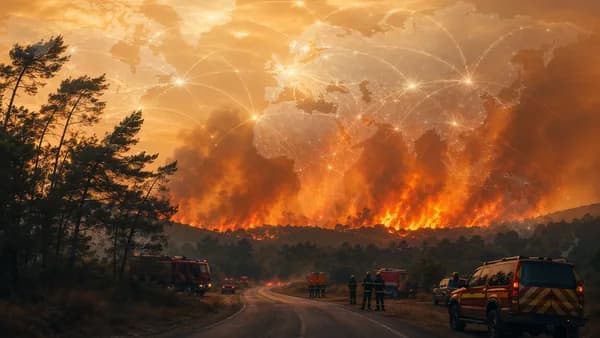
40C Heat Pushes Bordeaux Mega-Fire Back to the Brink
A 40C heat wave and winds could undo firefighting gains near Bordeaux after 220,000 evacuations.
Jul 29, 20268 min
 Global Trends
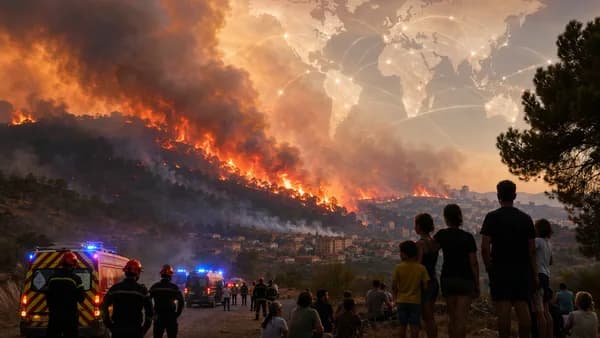
250,000 Flee as France Wildfires Close In on Bordeaux
France wildfires have displaced 250,000 people, forcing Macron into crisis talks as Gironde crews brace for hotter weather.
Jul 27, 20266 min
 Global Trends
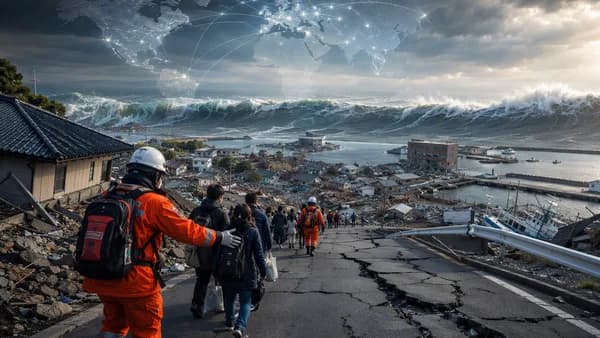
13 Die as Japan Earthquake Traps People at Kumamoto Mall
A 6.8 Japan earthquake killed 13, forced 300,000 to shelter and turned a tsunami alert into a rescue fight in Kumamoto.
Aug 2, 20266 min
 Global Trends
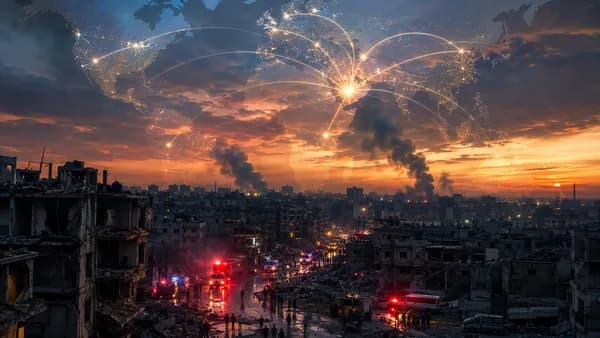
Israeli Strikes Rattle Hamas Disarmament Deal as 8 Die
Israeli strikes killed at least eight in Gaza, putting Hamas’s new disarmament pledge under immediate pressure.
Aug 2, 20268 min
 Cybersecurity
Iran Shadow Looms Over Minnesota Water Cyberattacks
A leaked memo links 30-plus Minnesota water utility intrusions to Iran-affiliated hackers, raising alarms over civilian infrastructure.
Aug 2, 20268 min
 Global Trends
Viral Pillow Cleaning Hacks Lose to a Peroxide Wash
Viral pillow hacks looked satisfying, but peroxide plus a standard wash beat them on stain lift, rinse quality, and safe drying.
Aug 2, 20268 min
 Cybersecurity
45 Songs Stolen as Ariana Grande Lawsuit Hunts Hackers
Grande says hackers stole 45 unreleased songs in 2023 alone. The lawsuit aims to name the people selling her private files.
Aug 2, 20265 min
Don't miss the signal
Get our weekly roundup of the stories that matter across tech, fintech, and trading. No noise, just signal.
Free forever. No spam. Unsubscribe anytime.