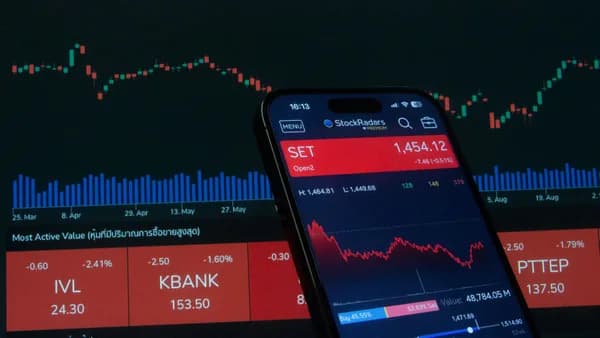
Markets are pricing 2 to 3 further ECB rate hikes over the year ahead, and that is the clearest reason hawkish ECB pricing is still supporting the euro before today’s policy decision.
XOOMAR Intelligence
Analyst Take
Lee Hardman at MUFG says Euro-zone yields have climbed to fresh year-to-date highs as investors respond to rising energy prices and a tougher expected path for major central banks, according to FXStreet. The key market signal is simple: Europe’s short-term yields have risen more recently than US short-term yields, moving yield spreads against the US dollar.
That gives the euro a yield-support story. It also creates a trap. The currency can keep drawing support from higher expected ECB rates only if Christine Lagarde avoids giving markets a reason to price out the September hike that is now almost fully discounted.
Markets Are Daring the ECB to Stay Hawkish, and the Euro Is Taking the Bet
The ECB meeting has become a test of whether traders have gone too far, or whether they have correctly read a central bank that still sees inflation as the larger threat.
MUFG’s argument is not that the euro is strong because growth looks great. It is stronger than that and more uncomfortable. The euro is being supported because markets believe the European Central Bank has more tightening to do, even as higher energy prices threaten Euro-area growth.
"In response to rising energy prices, market participants have been moving to price in more hawkish expectations for major central banks including the ECB and Fed resulting in short-term yields rising to fresh year-to-date highs."
That sentence captures the whole tension. Higher energy prices can push inflation risk higher, which supports hawkish ECB pricing. The same shock can also hurt growth, which can eventually weaken the case for more hikes.
For now, the rate-pricing channel is winning.
The ECB press conference starts at 14:45 CET, with President Christine Lagarde and Vice-President Boris Vujčić explaining the Governing Council’s monetary policy decisions, according to the European Central Bank. Markets will be listening less for slogans and more for whether Lagarde’s speech on rates validates, tolerates, or resists the rate path investors have already built into yields.
The Yield Math Behind Hawkish ECB Pricing
The euro’s current support rests on a clean rates argument: short-term Euro-zone yields have risen to fresh year-to-date highs, and they have risen more recently in Europe than in the US.
MUFG says the Euro-zone rate market is now pricing 2 to 3 further ECB rate hikes in the year ahead. By comparison, US rate-hike bets are pricing around two Fed hikes over the same period. That relative move matters because currencies respond not just to absolute rates, but to changing expected returns across markets.
Another ECB hike at the following policy meeting in September is almost fully priced in. That matches Hardman’s forecast for one final hike in September.
The euro’s rate support therefore has two layers:
- Carry profile: More expected ECB hikes make euro-denominated assets more attractive at the short end.
- Spread movement: Short-term yield spreads have moved against the dollar as European yields rose more recently than US yields.
- Policy credibility: Markets are giving the ECB room to stay hawkish because inflation risks are increasing.
This is where hawkish ECB pricing becomes self-reinforcing. As investors price a higher expected terminal rate, yields rise. As yields rise relative to the US, the euro gets support. That support can last as long as the ECB does not break the chain.
But the same chain can snap quickly. If Lagarde signals that markets are overpricing the September path, the yield support behind the euro would look less solid.
Year-to-Date Yield Highs Mark a Credibility Test for the ECB
The source material does not provide a full historical comparison with past ECB policy cycles, so the supported point is narrower and more immediate: markets are treating the ECB’s inflation concern as credible enough to price multiple additional hikes.
That credibility now hinges on energy prices. Hardman says the risk of another hike later this year is increasing if higher energy prices are sustained during the second half of the year. That is not a blanket call for open-ended tightening. It is a conditional warning.
MUFG also flags the tradeoff. Higher energy prices add downside risks for Euro-zone growth. The Euro-zone economy, like the US economy, has held up better than expected so far against the energy price shock, which gives the ECB some reassurance. But reassurance is not immunity.
This is the uncomfortable part for euro bulls. The same inflation pressure that supports the currency through yields can damage the growth outlook that underpins the broader investment case.
For related context on how sensitive markets can become to central-bank timing, XOOMAR’s ECB Interest Rates Pause Jolts September Rate Bets tracks the kind of September-rate focus now embedded in this setup. Currency traders watching policy divergence may also want to compare Europe’s rate-pricing story with Japanese Yen Slump Corners BoJ on Faster Rate Hikes, where FX pressure is tied to expectations around a different central bank path.
Traders, ECB Officials, Bond Investors, and Euro Bulls Are Not Making the Same Bet
The same data can support different trades.
FX traders focused on hawkish ECB pricing see a reason to stay constructive on the euro as long as inflation risks keep rising and the ECB avoids dovish language. Bond investors may see something less comfortable: yields already at fresh year-to-date highs, with a lot of tightening priced before the ECB has spoken.
ECB officials face a narrower communications path. MUFG says there is “little scope” for Lagarde to push back strongly against expectations for multiple hikes because inflation risks are increasing. But that does not mean the ECB wants markets to assume endless hikes regardless of growth.
The split looks like this:
| Stakeholder | Supported reading from the source | XOOMAR analysis |
|---|---|---|
| FX traders | Higher Euro-zone yields and spreads moving against the dollar support the euro | The euro remains tied to whether September stays priced |
| Bond investors | Short-term yields are at fresh year-to-date highs | A balanced ECB tone could challenge crowded hawkish pricing |
| ECB officials | Inflation risks are rising, but growth risks are also increasing | Lagarde has room to sound firm without promising a long hiking cycle |
| Euro bulls | Markets price 2 to 3 further ECB hikes | The bull case weakens if growth damage overtakes yield appeal |
That last line is the crux. The euro can rise on hawkish pricing, but it cannot ignore the reason that pricing exists.
Borrowers and Equities Face the Other Side of Higher Yields
For borrowers, the rate story is already bleeding into credit conditions. The ECB’s 20 July 2026 Survey on the Access to Finance of Enterprises said that in the second quarter of 2026, firms reported “a further net tightening of bank loan interest rates and other lending conditions.” Firms also expected selling prices, input costs, and wages to moderate slightly, while inflation expectations remained stable.
That combination matters. Markets are pricing more hikes because inflation risks are rising, but companies are already reporting tighter lending terms. Higher short-term yields may support the euro, yet they also raise the pressure on borrowers that depend on bank credit.
For European equities, the supplied source does not provide sector performance or earnings data, so the analysis has to stay conditional. Higher rates can help parts of the financial sector through rate income dynamics, but they can also weigh on rate-sensitive valuations and companies exposed to weaker demand. The source only supports the broader point: tighter policy expectations and higher energy prices raise the growth-risk side of the ledger.
Global investors should read the euro move through that lens. A stronger euro backed by rising yields is not the same as a stronger euro backed by accelerating growth. This is a policy-pricing move first.
Three ECB Paths That Could Decide the Euro After September
The cleanest base case is Hardman’s: one final hike in September, with the risk of an additional hike later this year rising if higher energy prices persist.
From here, the euro’s next leg depends on which ECB path markets hear today.
| ECB path | What would support it | Likely euro read-through |
|---|---|---|
| Hawkish validation | Lagarde does not resist pricing for multiple hikes, inflation risk remains central | Hawkish ECB pricing stays intact |
| September only | ECB allows the near-term hike but avoids endorsing more | Euro support narrows to one meeting |
| Growth-risk shift | Higher energy prices hit growth harder, lending conditions keep tightening | Yield support becomes fragile |
The thesis is straightforward: the euro can stay supported while markets keep adding ECB hikes or refusing to price them out. But that support gets more brittle as the debate moves from inflation fear to growth damage.
The confirming evidence would be sustained higher energy prices, continued inflation concern from the ECB, and no meaningful pushback against September pricing. The weakening evidence would be softer inflation risk, sharper growth concern, or a Lagarde message that makes 2 to 3 further ECB rate hikes look too aggressive.
Disclaimer: This XOOMAR analysis is for informational and educational purposes only. It is not financial, investment, legal, tax, or professional advice. It does not provide buy, sell, hold, price-target, portfolio, or personalized recommendations. Verify information independently and consult qualified professionals before making decisions.
The Bottom Line
- Markets are pricing 2 to 3 more ECB rate hikes, giving the euro a near-term yield advantage.
- Christine Lagarde’s tone matters because any pushback could make traders price out a September hike.
- Higher energy prices are creating a policy dilemma by lifting inflation risks while threatening Euro-area growth.
Rate-Pricing Signals Supporting the Euro
| Market | Recent Signal | Currency Impact |
|---|---|---|
| Euro-zone | Short-term yields have climbed to fresh year-to-date highs | Supports the euro through higher expected ECB rates |
| United States | Short-term yields have risen less recently than Euro-zone yields | Moves yield spreads against the US dollar |
Primary Sources & Disclosures
Disclaimer: Content on XOOMAR is produced using AI-assisted research, drafting, and verification workflows and is intended for informational and educational purposes only. It does not constitute financial, investment, legal, tax, medical, or professional advice of any kind. All analysis reflects available information at the time of publication and may not be current. Verify information independently and consult qualified professionals before making decisions. Editorial policy

Written by
XOOMAR Insights Team
Research and Editorial Desk
The XOOMAR Insights Team pairs automated research with human editorial judgment. We track hundreds of sources across technology, fintech, trading, SaaS, and cybersecurity, cross-check the facts, and explain what happened, why it matters, and what to watch next. We do not just rewrite headlines. Every article is fact-checked and scored for reliability before it goes live, and we link back to the original sources so you can verify anything yourself.