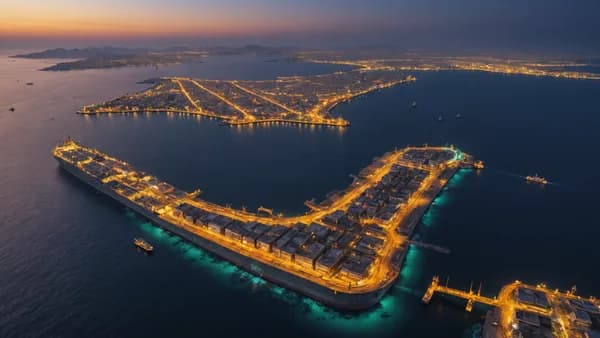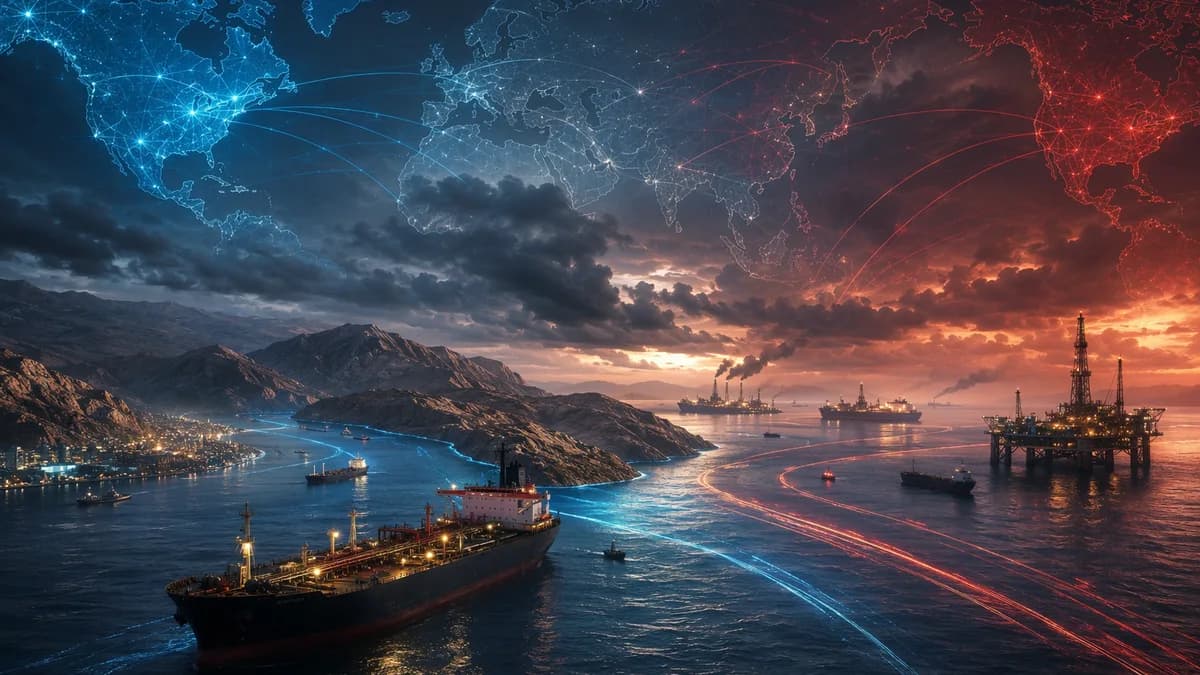
Iran has warned that any US strike on its infrastructure would trigger a matched response, turning the standoff over the Strait of Hormuz from a shipping-security crisis into a direct threat to power plants, bridges and regional energy assets.
XOOMAR Intelligence
Analyst Take
Foreign Minister Abbas Araghchi said Tehran would answer “any aggression” after US President Donald Trump threatened to bomb a bridge or power plant for every ship targeted in the waterway, according to FXStreet. The report, citing the Guardian, said Araghchi made the remarks on Wednesday.
Iran threatens matched retaliation after Trump warns of strikes on bridges and power plants
Araghchi framed Iran’s response as automatic and reciprocal, not conditional diplomacy.
“Our defence doctrine is clear: eye for an eye. Any aggression against Iran, including our infrastructure, will compel a powerful and decisive response,” Araghchi said on X.
He added that US threats “will have no result other than the expansion of the war,” according to the supplied source material.
Trump’s warning was explicit. In a Truth Social post cited in related reporting, he said:
“From this point forward, any time the Islamic Republic of Iran shoots at a ship in the Strait of Hormuz, whether it be by Missile, Rocket, Drone, or any other device or weapon, the United States will bomb and destroy ONE BRIDGE OR POWER PLANT, including those located next to, or in, the Capital City of Tehran”
That language matters because it names bridges and power plants as potential targets, while Iranian military warnings have also referenced oil, gas, electricity and economic infrastructure. These systems are not just military nodes. They are the machinery of daily life and trade.
| Actor | Stated trigger | Stated response |
|---|---|---|
| United States | A ship is targeted in the Strait of Hormuz | Bomb and destroy “ONE BRIDGE OR POWER PLANT” |
| Iran | Any aggression against Iran, including infrastructure | “Eye for an eye” response |
XOOMAR analysis: The immediate danger is escalation by rulebook. Both sides are now describing retaliation in formulaic terms. That reduces room for ambiguity, but it also raises the cost of a single maritime incident.
Related Iranian warnings have tied the standoff to oil exports and economic infrastructure, widening the dispute beyond individual vessels such as those hit in Red Sea tanker attacks. The pressure is no longer limited to ships in the waterway; it now reaches the assets that move, power and price regional energy flows.
That position tracks with the wider pressure around shipping routes that XOOMAR covered in Iran's Threats Ignite Strait of Hormuz Trade Route Fears. The Strait of Hormuz is now the central pressure point in a dispute where military threats, oil flows and infrastructure vulnerability are feeding into each other.
Strait of Hormuz shipping threat raises oil market and regional security risks
The Strait of Hormuz is a critical passage for oil and gas shipments. Any disruption there can hit energy markets fast, especially when threats target commercial vessels and state infrastructure at the same time.
Supplementary market context said Brent crude was up 3.4% at $94.10. That move gives traders a clear signal: the market is pricing a higher risk premium around Gulf shipping and energy supply, echoing the pressure seen as Middle East tensions drive oil volatility.
The military picture also tightened through warnings that linked any escalation to oil, gas, electricity and economic infrastructure. That keeps the crisis beyond ordinary maritime security and places energy systems closer to the center of the confrontation.
If those warnings are translated into action, the dispute would move beyond rhetoric. It would mean a standoff over passage through one of the most sensitive maritime corridors in the energy market was feeding directly into threats against infrastructure on land.
XOOMAR analysis: Trump’s threat and Araghchi’s response are not mirror images in political tone, but they are mirror images in escalation logic. Washington is warning that ship attacks will bring infrastructure strikes. Tehran is warning that infrastructure strikes will bring infrastructure retaliation.
The risk is a widening target set. A clash that starts with a tanker, drone or missile in the Strait of Hormuz could move quickly toward power, transport or energy assets on land.
Related shipping pressure is not limited to Hormuz. The supplied context also says five tankers changed course in the Red Sea to avoid the Bab el-Mandeb Strait after a Houthi threat to block Saudi oil exports. That follows the same pattern XOOMAR examined in Tankers Flee Saudi Route After Houthi Shipping Threat: maritime chokepoints are turning into political weapons.
Together, the Hormuz and Red Sea signals show a region where tanker routes, energy prices, military warnings and infrastructure threats are now part of the same escalation chain.
Washington and Tehran face a fast-moving test over red lines in the Gulf
The next test is whether either side narrows its threat or repeats it. A clarification from Washington could matter, especially if it defines whether Trump’s warning is policy, deterrent rhetoric or a standing military rule.
Tehran’s next message matters just as much. If Iranian officials repeat the “eye for an eye” doctrine, markets and regional governments will treat it as a standing red line. If they move from statement to action, the crisis shifts from coercive messaging to infrastructure war.
A few pressure points now deserve close attention:
- US posture: Any clarification from the White House, Pentagon or State Department on whether bridges and power plants are active targets.
- Iranian enforcement: Whether Iran takes any steps that affect tanker movement through the Strait of Hormuz.
- Oil pricing: Whether the Brent move cited in the supplied market context extends or fades as traders judge the risk of disruption.
- Shipping behavior: Tanker traffic, route changes and insurance costs around Hormuz and nearby chokepoints.
- Diplomatic pressure: Whether Gulf states or European governments push both sides to cool the language before threats become orders.
The practical danger is miscalculation. A drone strike, a tanker explosion or a disputed warning shot could now trigger retaliation against infrastructure rather than another military site.
That is the new risk premium in the Strait of Hormuz: not just whether ships keep moving, but whether the next maritime incident pulls power plants, bridges and oil infrastructure into the target map.
Impact Analysis
- The threat shifts the Strait of Hormuz crisis from maritime security toward direct infrastructure attacks.
- Power plants, bridges and energy assets are critical to civilian life and regional trade.
- Escalation between the US and Iran could widen the conflict and disrupt global energy flows.
US and Iran Stated Positions
| Actor | Stated trigger | Stated response |
|---|---|---|
| United States | A ship is targeted in the Strait of Hormuz | Bomb and destroy one bridge or power plant |
| Iran | Any aggression against Iran, including infrastructure | A powerful and decisive matched response |
Primary Sources & Disclosures

Written by
XOOMAR Insights Team
Research and Editorial Desk
The XOOMAR Insights Team pairs automated research with human editorial judgment. We track hundreds of sources across technology, fintech, trading, SaaS, and cybersecurity, cross-check the facts, and explain what happened, why it matters, and what to watch next. We do not just rewrite headlines. Every article is fact-checked and scored for reliability before it goes live, and we link back to the original sources so you can verify anything yourself.