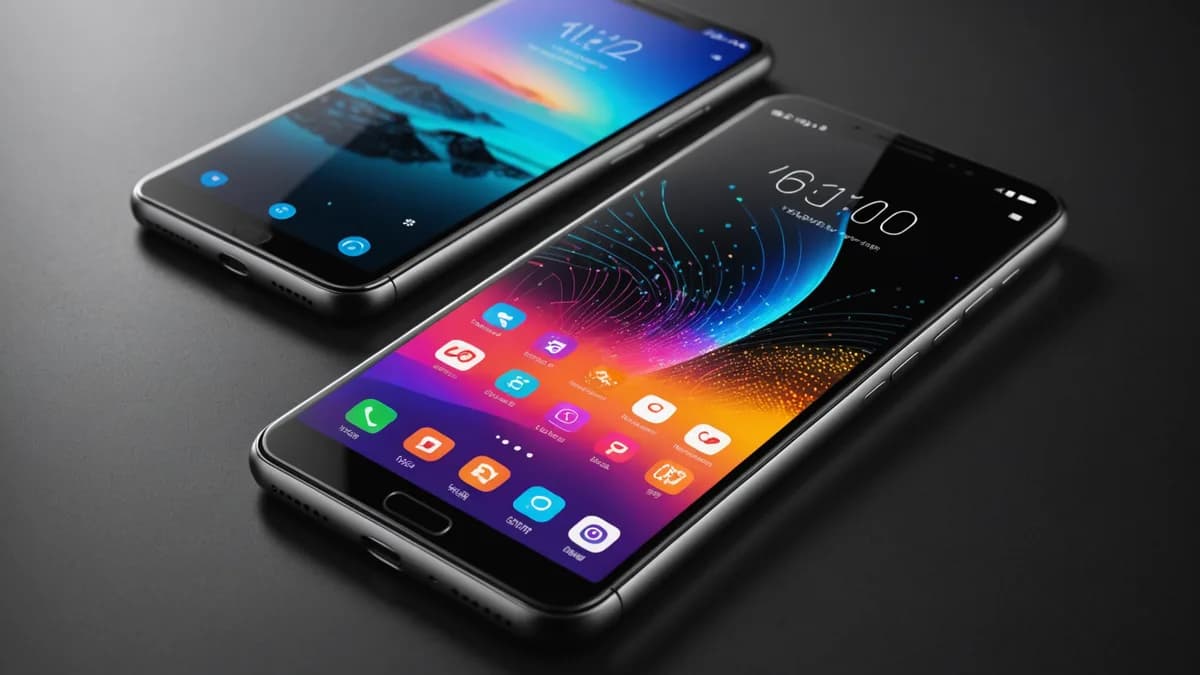
The question isn’t whether TCL’s new phone can be both an OLED powerhouse and an e-reader. It’s whether anyone outside of a tiny niche actually wants it to be.
XOOMAR Intelligence
Analyst Take
The TCL P80 Ultra is the first phone to combine a flagship-level OLED screen with a monochromatic, paper-like display mode in one device, according to The Verge. For a company known for budget and mid-range sets, launching a €549 phone with a 6.83-inch 1.5K 120Hz OLED panel that also boasts a 3,200-nit peak brightness and an anti-glare coating is a bold swing. This isn’t another incremental upgrade. It’s a direct challenge to the assumption that a phone’s display should serve a single visual purpose.
What Happens When a Screen Splits its Personality?
The core innovation is simple on the surface: a hardware key flips the P80 Ultra from a colorful, high-performance OLED panel into something called Max Ink Mode. The display turns monochromatic, the interface simplifies, and power consumption plummets. TCL claims this can stretch the 5,800mAh battery to seven days of active use.
But the technical implication is profound. Historically, OLED (emissive, bright, colorful) and E Ink (reflective, low-power, monochrome) technologies have been at opposite ends of the display spectrum, each requiring different physics. TCL’s Nxtpaper tech, previously seen on lower-tier LCD phones, now attempts to force these opposites to coexist on a single OLED substrate. The user is promised both a 3,200-nit HDR video experience and a zero-backlight, paper-like reading session, all from the same glass.
“TCL argues that its Nxtpaper innovations actually make this OLED better than some other flagship phones, because it benefits from an anti-glare coating that should be among the best on the market.”
The bet is that the technical sacrifices needed for the paper mode, whether in peak brightness consistency, pixel response, or panel thickness, are negligible. If they aren’t, the phone fails at both of its jobs.
Why Hasn't the Phone-Reader Hybrid Worked Before?
TCL is not inventing the idea. Dedicated e-ink phones like the Hisense A9 exist but remain fringe curiosities, plagued by slow performance and poor camera quality. They are secondary devices. Meanwhile, mainstream phones offer software grayscale modes and reading apps, a software fix for digital distraction.
TCL’s Nxtpaper lineage shows a clear escalation. Earlier models used LCDs with a matte layer to diffuse light, mimicking paper. The move to OLED for the P80 series, paired with what TCL calls a “sculpted” premium design, marks a deliberate pivot. This is no longer a budget reading accessory. It’s positioned as a primary phone that can also become a superior e-reader. The inclusion of a 50-megapixel 3x telephoto lens and a MediaTek Dimensity 7400 Elite chipset underscores this shift from niche experiment to mainstream contender. It follows a broader trend of OEMs seeking radical differentiation in a saturated market, much like other recent hardware pivots we've seen, such as Tesla's camera‑only robotaxi vision.
Who Actually Needs a Two-Mode Display?
The target user is specific: someone who reads e-books or long-form content daily, is sensitive to eye strain, craves reduced digital distraction, but is unwilling to carry a second device like a Kindle. For them, the hardware switch to Max Ink Mode is a stronger commitment than a software toggle, a physical gate against notification temptation.
For TCL, this is a pure differentiation play. It carves out a unique selling proposition in a market where most brands fight over camera specs and chipset bragging rights. However, it introduces complexity. It requires explaining a new category, managing a potentially more expensive display supply chain, and convincing consumers that a hybrid is better than two optimized devices.
For app developers, the impact is currently minimal, the phone runs Android 16 and behaves normally in standard mode. But if dual-mode displays gain traction, could we see apps with optimized interfaces for paper mode? Reading apps that trigger the switch automatically? The hardware exists for that now.
What Are the Unavoidable Trade-Offs?
The source material provides some numbers, but the gaps are where the trade-offs live.
| Feature | OLED Mode | Max Ink (Paper) Mode |
|---|---|---|
| Display Type | Emissive OLED | Monochromatic, paper-like |
| Peak Brightness | 3,200 nits | Effectively 0 nits (reflective) |
| Battery Claim | Standard smartphone drain | 7 days active use / 26 days standby |
| User Interface | Full-color Android 16 | Simplified, distraction-limited UI |
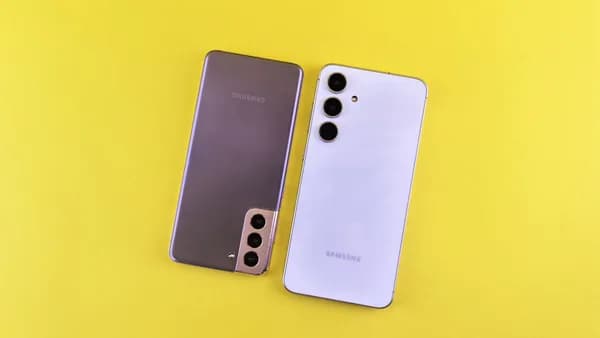
Analysis: First, that 3,200-nit brightness is a peak spec likely reserved for small highlights in HDR content. To achieve the paper mode’s power savings, the OLED’s self-emissive pixels must be turned off entirely, relying on ambient light reflection. This suggests the panel incorporates a permanent, advanced anti-glare/anti-reflective layer, which could theoretically slightly diffuse light even in OLED mode, potentially muting peak pop. Second, the "sculpted" design likely adds thickness and weight to accommodate any additional layers and the large 5,800mAh battery. Third, at €549, the P80 Ultra sits in the upper mid-range. The hybrid display technology likely commands a premium over a standard OLED, meaning you’re paying for a feature a large portion of users may never heavily utilize. As we've seen with other devices, adding niche hardware often comes with a cost, similar to the approach taken with the Samsung S26 FE's repackaged hardware.
The biggest unknown is market data. What percentage of smartphone users actively seek grayscale modes or dedicated e-reading time on their phones sufficient to justify this hardware solution? TCL is betting that number is growing.
If This Succeeds, What Changes?
For consumers, the promise is gadget consolidation: one device to rule them all. A true replacement for a phone and an e-reader. For the industry, a successful P80 Ultra would send a signal. Display giants like Samsung Display and BOE would face pressure to develop their own hybrid solutions, potentially creating a new display sub-category aimed at productivity and wellness.
The entire concept hinges on one big "if": the paper mode must be phenomenally good, indistinguishable from a top-tier e-reader for reading comfort, and the OLED mode must suffer no noticeable quality downgrade versus a pure flagship screen. If either condition fails, the device becomes a compromised curiosity. The Verge's hands-on testing at IFA this week will be the first real-world indicator.
Is This the End for Niche Gadgets, or a New Beginning?
Short-term, the P80 Ultra will find a passionate, small audience. It will prove the concept is technically viable and has a market, however narrow.
Mid-term, its success will be measured by emulation. If TCL demonstrates demand, we could see one major player, perhaps Google seeking a mindfulness angle for a future Pixel, or Motorola for an Edge model, license or develop similar tech. It fits a growing narrative around digital wellbeing.
The long-term vision goes beyond a simple toggle. The technology could evolve into an adaptive display that subtly shifts its texture, reflectance, and color temperature based on content automatically. Reading a news article? The display cools and adds a slight paper grain. Watching a movie? It switches to a deep, glossy contrast mode. This is the true merger of screen and page.
TCL’s move is a high-stakes experiment. They are not just launching a new phone. They are testing a hypothesis about the future of attention itself. The market’s response will determine if the dual-mode display remains a fascinating footnote or becomes the next frontier in how we look at our devices.
Key Takeaways
- This innovation could lead to more versatile, battery-efficient smartphones by merging two historically separate display technologies.
- It pushes industry boundaries, challenging the convention that a phone's screen should serve only one visual purpose, potentially influencing future device designs.
- For consumers, it offers a unique choice between high-performance media consumption and a comfortable, low-power reading experience in a single device.
Primary Sources & Disclosures

Written by
XOOMAR Insights Team
Research and Editorial Desk
The XOOMAR Insights Team pairs automated research with human editorial judgment. We track hundreds of sources across technology, fintech, trading, SaaS, and cybersecurity, cross-check the facts, and explain what happened, why it matters, and what to watch next. We do not just rewrite headlines. Every article is fact-checked and scored for reliability before it goes live, and we link back to the original sources so you can verify anything yourself.