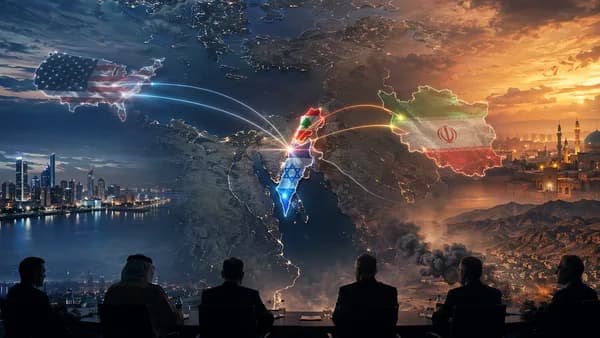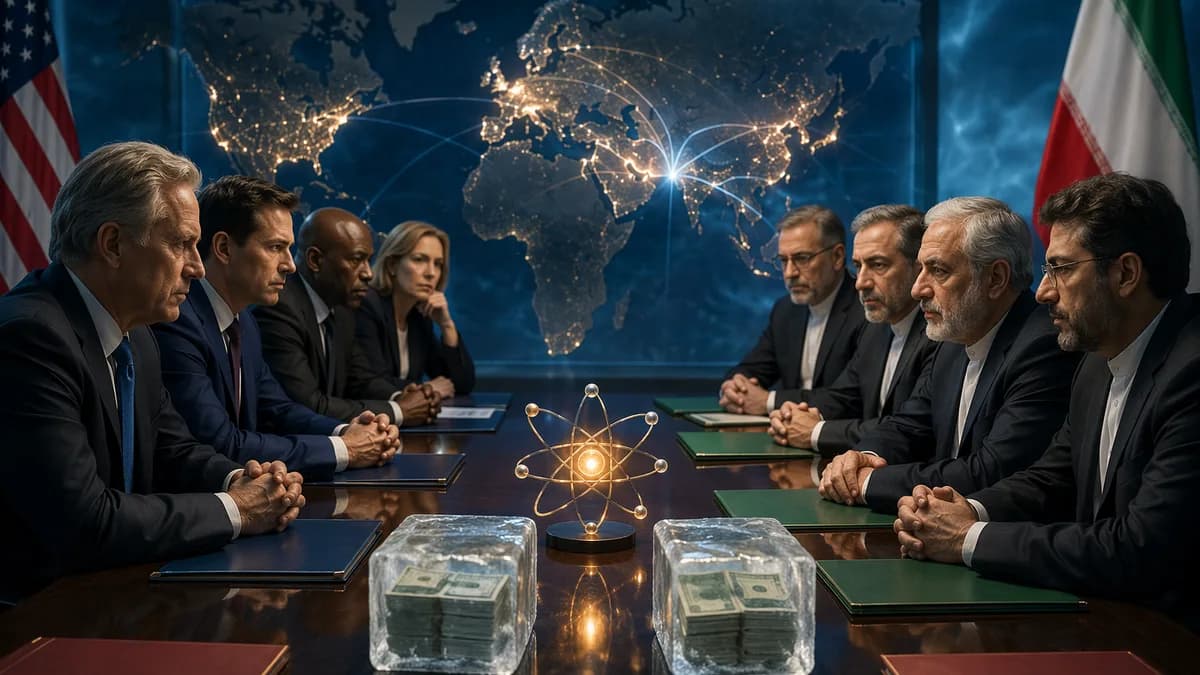
Trump’s fury over Iran’s leaked peace terms signals a fight over sequencing and political optics, not necessarily a collapse in diplomacy. The sharper read is that Washington and Tehran may still be moving toward a deal, but each side is trying to define what the other has actually conceded before the document is signed.
XOOMAR Intelligence
Analyst Take
President Donald Trump dismissed Iran’s reported version of the emerging agreement on Friday, saying the leaked terms had “no relation to the truth,” according to Time. The dispute came after Trump had called off planned strikes against Iran and said a deal signing would be announced “shortly.”
“The terms that Iran leaked out to the fake news have nothing to do with the terms that were agreed to, in writing,” Trump said. “What they said, including their weak and pathetic statement on having a deal, bears no relation to the truth. Very dishonorable people to deal with.”
The contradiction is the story. Iran’s state media described a memorandum of understanding that appeared to preserve Tehran’s position on the Strait of Hormuz and seek the release of billions of dollars in frozen assets. The White House described something different: a five-point performance-based plan under which nuclear material would be destroyed or removed, the nuclear program dismantled, Hormuz reopened, Iran barred from funding terrorist groups, and frozen assets held back until Iran met defined benchmarks.
That Iran deal snag doesn’t mean there’s no deal. It means the public fight has moved to the most sensitive phase: who gets paid first, who disarms first, and who gets to claim victory.
Trump’s denial looks like narrative control before the ink dries
The core signal is not that diplomacy has failed. It’s that both sides are trying to prevent the other from defining the agreement in public. Trump’s rejection of the leaked terms serves two audiences at once. At home and among allies, he needs to show he hasn’t traded away sanctions relief or nuclear restrictions for a photo-op. For Iran, the leaked version may help Tehran argue that it did not capitulate under pressure.
That dual function matters because the public language from both sides still points toward an Iran peace deal. Iranian Foreign Minister Abbas Araghchi said a “memorandum of understanding has never been closer,” while Pakistan’s Prime Minister Shehbaz Sharif, who has acted as a key intermediary, said “a final, agreed upon text of the peace deal has been reached and Pakistan is now working closely with both sides to finalize.”
The strongest counterpoint is obvious: Trump’s language was hostile, and he accused Iran of continuing to target ships in the Strait of Hormuz. He warned that “they better get their act together, and fast.” That is not the tone of a settled diplomatic handoff.
Still, the denial appears aimed at the leak’s specifics rather than the direction of talks. Vice President J.D. Vance also pushed back on reports of immediate financial concessions, while defending the structure of a potential deal. That keeps the channel alive while rejecting Tehran’s preferred framing.
This would be wrong if Washington formally walks away, if Iran rejects the performance-based structure outright, or if renewed attacks make the “shortly” timeline meaningless. For now, the more supported reading is narrower: the deal is alive, but the sales pitch is contested.
Leaked terms can harden into policy before signatures land
The leaked Iran deal claims matter because public expectations can become negotiating constraints. Once a side appears to accept sanctions relief, nuclear limits, shipping terms, or regional security language, walking that back becomes politically expensive. That is why both governments are reacting so sharply before any final signing.
Iran’s reported version included demands around frozen assets and continued ambitions to manage the Strait of Hormuz. It also included language tied to stopping Israeli strikes against Hezbollah in Lebanon, a condition Tehran has long maintained would be necessary for any cease-fire agreement. Time reports that the White House version contains no mention of that Lebanon-related language.
Washington’s version is built around performance. A Trump Administration official told Time that Iran’s nuclear material would be destroyed or removed, any nuclear program dismantled, the Strait reopened, and Iran would not fund terrorist groups. Crucially, the official said frozen assets would not be released until Iran met certain performance metrics.
That is the central dispute in one line:
| Issue | Iran-linked reported version | White House version |
|---|---|---|
| Frozen assets | Release of billions of dollars sought | No release until performance metrics are met |
| Strait of Hormuz | Tehran would not relinquish ambitions to manage it | Strait will be reopened |
| Nuclear program | Reported accounts conflict on timing and scope | Nuclear material destroyed or removed, program dismantled |
| Lebanon and Hezbollah | Halt to Israeli strikes appears in Iran-reported terms | No mention in White House plan |
| Deal structure | Memorandum of understanding framed through Iranian priorities | Five-point performance-based plan |
The strongest counterpoint is that leaks are often theater. Negotiators may use them to test domestic tolerance, signal red lines, or pressure intermediaries without committing formally. That may be happening here.
But theater can still change outcomes. If Iran’s public claims raise expectations of early asset access, Tehran may struggle to accept a deal that visibly delays relief. If Trump’s public rejection locks Washington into a hardline interpretation, U.S. negotiators may have less room to compromise on sequencing. This is how a framework can fracture before becoming a final text.
The deal’s real math sits in sanctions relief, inspections, and asset timing
The measurable terms will decide whether this becomes a durable peace agreement or another fragile pause. The phrases that matter are not “imminent” or “approved.” They are sanctions relief schedules, asset access triggers, oil export permissions, inspection frequency, compliance deadlines, and caps on nuclear activity.
The supplied reporting gives several concrete markers. A senior U.S. official, cited in the Reuters material provided, said Iran’s nuclear material “will be destroyed and removed” and that its nuclear program will be dismantled. The same source said: “None of their money released until they perform. Strait of Hormuz will be open. No Iran funding of terrorist groups.”
Reuters also reported that Iran is believed to possess 900 pounds (408 kg) of highly enriched uranium. That figure makes verification language central. A deal that says nuclear material will be removed is not the same as a deal that defines who verifies removal, how quickly it happens, where material goes, and what happens if inspectors find noncompliance.
The sequencing problem is the hardest math. Iran wants early economic relief and proof that concessions will not vanish after signature. Washington wants verifiable steps before unlocking frozen assets or broader economic benefits. Vance framed the U.S. position directly:
“First, the Iranians are not receiving any cash, and no funds are being released for simply signing a deal or attending a meeting,” Vance said.
Market-sensitive details remain thin. The source material points to the Strait of Hormuz, oil infrastructure, Kharg Island, frozen assets, and shipping attacks, but it does not provide crude prices, currency moves, shipping premiums, or defense stock reactions. XOOMAR analysis: traders should treat the next confirmed text, not the diplomatic rhetoric, as the first real market event. Headlines can move sentiment. Enforcement terms move risk models.
For context on how quickly military threats have fed back into Gulf risk, see our earlier coverage of A Near Iran Deal Cracks as Trump Threatens Payback and US Dollar Defies Peace Talk as Hormuz Risk Stays Hot.
Washington, Tehran, Israel, Gulf states, and markets need different versions of the same deal
The same agreement has to satisfy actors with incompatible definitions of success. Trump needs a win he can sell as tougher than compromise and safer than escalation. Iran needs dignity, sanctions relief, and evidence that it did not surrender core sovereignty claims under U.S. pressure.
Israel and Gulf governments face a different calculation. The source material does not provide official reactions from either group, so the following is XOOMAR analysis tied to the reported deal terms: any arrangement that reduces strikes and reopens Hormuz may ease immediate security risk, but ambiguity around Iran’s nuclear capacity, Hezbollah-related language, or maritime control would keep regional planners cautious.
The Strait is the pressure point. Trump accused Iran of continuing to target ships there. Al Jazeera’s supplied reporting also says the U.S. shot down two drones it said were attempting to attack ships near the Strait of Hormuz after Trump called off another round of strikes. Iran’s position, according to the supplied Fox material, includes continued discussion of “service fees” and the right of Iranian forces to intervene when necessary.
That creates a split between diplomatic de-escalation and operational risk. A signed document can announce reopening. Shipowners, insurers, and security teams still need to know whether vessels will face inspections, fees, drone threats, or military interference.
Stakeholders are therefore watching different clauses:
- Washington: Verifiable nuclear dismantlement, no immediate cash release, no funding of terrorist groups.
- Tehran: Asset access, sanctions relief, dignity around Hormuz, and protection from appearing defeated.
- Israel-linked security concerns: Whether Lebanon and Hezbollah language appears in final text.
- Gulf states: Whether U.S. bases remain exposed after Iran targeted sites across Jordan and several Gulf nations.
- Markets: Whether Hormuz traffic normalizes in practice, not just in diplomatic statements.
This follows the escalation pattern we analyzed in Iran Missiles Drag US Host Nations Into Firing Line, where host countries became part of the risk calculation once Iran struck U.S. bases across the region.
The 2015 lesson is that technical compliance cannot carry a politically brittle deal
Iran diplomacy keeps breaking on trust and timing. The current dispute echoes the core weakness of past nuclear diplomacy, including the 2015 agreement and the later U.S. withdrawal: technical terms matter, but political durability decides whether companies, governments, and security agencies treat a deal as real.
This is where the current performance-based structure shows both strength and fragility. It tries to solve the trust problem by making economic benefits conditional. If Iran performs, benefits flow. If not, they don’t. That approach gives Washington a clean public argument and gives allies a measurable standard.
Iran sees the mirror image. Front-loaded obligations without reliable relief would expose Tehran to the political cost of concessions before it can show economic gains. That is why the asset sequencing is not a side issue. It is the deal.
The broader the agreement gets, the more valuable and vulnerable it becomes. A narrow nuclear arrangement can focus on material, inspections, and compliance deadlines. A wider peace framework touching Hormuz, shipping security, Lebanon, Hezbollah, frozen assets, and terrorist financing offers bigger upside, but also gives more actors ways to disrupt it.
The strongest counterpoint is that a broader deal may be the only way to stop the cycle of strikes. The source material shows that U.S. Central Command launched “self-defense strikes” after the U.S. blamed Iran for the downing of a U.S. Army helicopter over the Strait of Hormuz, and Iran retaliated against U.S. bases across Jordan and several Gulf nations. A narrow deal may not cover enough of the battlefield.
The thesis holds if the final document links each benefit to specific conduct and avoids vague promises. It weakens if the agreement punts nuclear restrictions, Hormuz rules, and asset releases into follow-on talks without enforceable deadlines.
For oil buyers and security planners, the leak dispute is a volatility warning
The practical mistake is treating “imminent” as done or treating Trump’s denial as collapse. The risk sits between those two readings. A deal may be close enough to change behavior, but not final enough to reduce exposure.
Energy buyers should watch Hormuz implementation more than signing ceremony language. If vessels still face intervention, drones, disputed “service fees,” or unclear maritime authority, reopening becomes a legal and security question, not just a diplomatic one. The supplied reporting says Araghchi discussed “service fees” tied to the Strait while also saying international law does not permit countries to impose transit tolls on ships passing through it. That distinction will matter to shipping firms and insurers.
Companies exposed to sanctions compliance face a second risk: moving faster than banks, regulators, or insurers. If frozen assets are released in phases, or if sanctions relief depends on Iranian performance, firms will need precise legal guidance before assuming old restrictions no longer apply.
Investors should also separate three types of headlines:
- Political headline: Leaders say a deal is close.
- Legal headline: A signed text defines obligations and relief.
- Operational headline: Ships move, assets unlock, inspections begin, and attacks stop.
Only the third one lowers real-world risk. The first two can still matter, but they are easier to reverse.
Three paths now define the Iran peace deal’s next phase
The most likely near-term outcome is a limited framework that preserves momentum while hiding the hardest fights in annexes, benchmarks, or follow-on talks. That would fit the current pattern: both sides say a memorandum is close, but they reject each other’s public description of the terms.
A second path is managed ambiguity. Washington keeps denying any immediate cash release. Tehran keeps presenting the framework as dignified and economically meaningful. Both sides preserve the diplomatic channel because public vagueness gives them room to sell the deal domestically.
A third path is a fast market relief move that fades once investors read the text. XOOMAR analysis: any initial rally in risk sentiment would be vulnerable if the agreement lacks credible verification, a clear sanctions timetable, and regional buy-in from actors able to disrupt implementation.
The evidence that would confirm the constructive thesis is concrete: a signed text, defined performance metrics, named verification procedures, a public timetable for asset access, and observable reopening of the Strait of Hormuz without fresh attacks. The evidence that would weaken it is just as clear: renewed strikes, contradictory official summaries after signing, or unresolved language on nuclear dismantlement and frozen assets.
Trump’s rejection of the leak is not noise. It is part of the negotiation. Until the final text appears, the public fight over what the deal means may be the best clue to where its weakest clauses sit.
Impact Analysis
- The dispute suggests diplomacy may still be alive despite public clashes over the deal’s terms.
- Sequencing is central because both sides want concessions before giving up leverage.
- Control of the public narrative could shape whether any agreement survives domestic political pressure.
Competing Accounts of the Emerging U.S.-Iran Deal
| Issue | Iran-reported terms | White House-described terms |
|---|---|---|
| Overall framing | A memorandum of understanding preserving Tehran’s positions | A five-point performance-based plan |
| Nuclear program | Not specified in the leaked description | Nuclear material destroyed or removed and program dismantled |
| Strait of Hormuz | Iran’s position on Hormuz appeared preserved | Hormuz reopened |
| Frozen assets | Release of billions of dollars sought | Assets held back until Iran meets defined benchmarks |
| Militant financing | Not specified in the leaked description | Iran barred from funding terrorist groups |
Primary Sources & Disclosures

Written by
XOOMAR
Data desk
XOOMAR is a capital markets software and data company. Every brief on this site starts from a dataset the company collects itself from primary sources (CFTC, SEC EDGAR, FINRA, the Federal Reserve, exchange APIs) and names the numbers it is built on, with a link to the data page so you can check them. Briefs are reviewed before they go out and corrected in place when the data is revised.