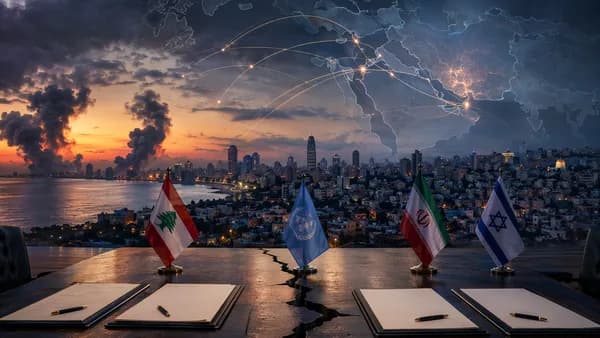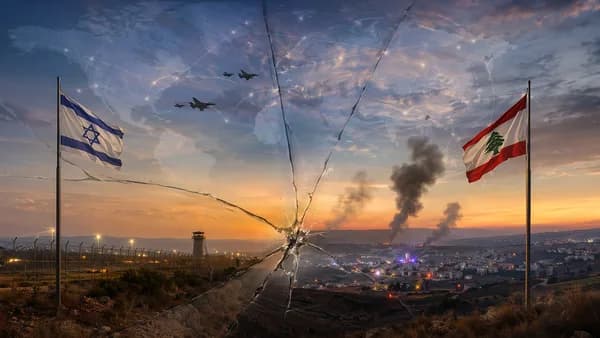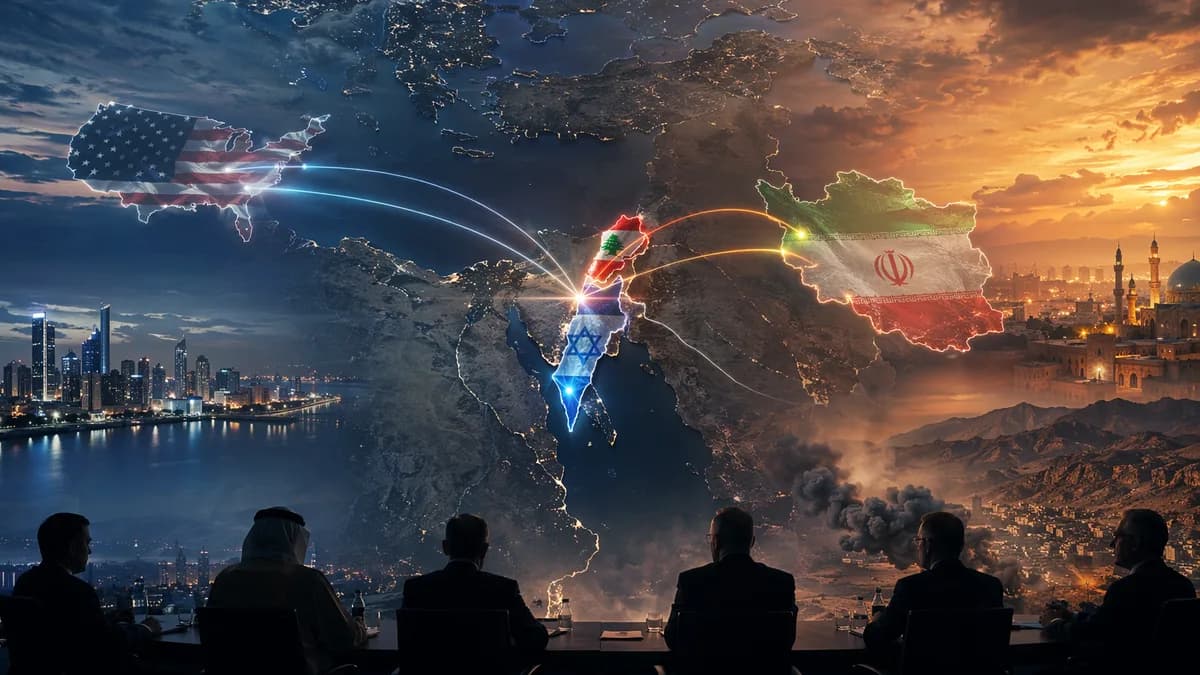
Iran is trying to turn the US-Iran peace deal Lebanon dispute into a direct test of whether Washington can restrain Israel, not just negotiate with Tehran. That is the real signal beneath Abbas Araghchi’s demand that Israeli forces leave territory occupied during the current conflict, according to Guardian World.
XOOMAR Intelligence
Analyst Take
The demand reframes the proposed peace deal. A narrow bargain over Iran, the United States, the Strait of Hormuz, and nuclear limits is now tied to Israeli military positions in Lebanon. That gives Tehran a way to argue that the war cannot end while Israel keeps striking Hezbollah or holding Lebanese territory.
“Without the withdrawal of Israeli forces from the territories they occupied during this war, the war has not fully come to an end,” said the Iranian foreign minister, Abbas Araghchi.
XOOMAR analysis: Iran is betting that Donald Trump wants a diplomatic win badly enough to pressure Benjamin Netanyahu. That wager may be rational, but it is also dangerous. Israel is not a party to the US-Iran memorandum, and Israeli officials have already signaled they won’t treat Iran’s Lebanon demand as binding.
Iran turns Israel’s Lebanon withdrawal into the price of a US-Iran peace deal
Araghchi’s statement is not just a condition. It is a negotiating device. By tying the US-Iran peace deal Lebanon question to Israeli withdrawal, Tehran is trying to widen the settlement from a bilateral US-Iran arrangement into a regional package that includes Hezbollah’s front with Israel.
A Hezbollah media relations official said the group had received assurances from Iran that Tehran would demand Israeli troop withdrawal from Lebanon in the next phase of talks with the US. That matters because it shows Hezbollah expects Iran to carry its interests into the negotiation room, even though Hezbollah itself is not at the table.
The strongest counterpoint is obvious: the US and Iran can sign a memorandum without Israel accepting all of its terms. But that is exactly the weakness Iran is probing. If Washington cannot deliver Israeli restraint, Tehran can say the agreement is partial, fragile, or illegitimate.
This follows the problem we flagged in US-Iran Ceasefire Buys 60 Days as Gulf Peace Slips: a diplomatic window only works if the military fronts stay quiet long enough for negotiators to fill in the blanks.
Israeli positions in Lebanon are now the test of ceasefire language
The Lebanon clause has become the pressure point because it moves the deal from paper to terrain. Israeli forces either withdraw from contested areas or they don’t. Airstrikes either stop or they don’t.
Trump’s own comments show how quickly this has become a US-Israel problem. AP reported that he was “not happy with the way Israel has handled themselves with Lebanon and with Hezbollah.”
That is unusually blunt language from a president who has often emphasized his relationship with Netanyahu. It also shows how Lebanon can turn a US-Iran diplomatic track into a test of Washington’s leverage over Israel.
The risk for negotiators is clean: if Israel keeps troops in Lebanon, Iran can withhold political endorsement of the peace track. If Israel keeps bombing Lebanon, Tehran can argue that Washington is either unwilling or unable to enforce the deal it negotiated.
The hard numbers show why Trump’s problem is bigger than Lebanon
The proposed framework is heavy with reported claims, but light on published text. The memorandum has still not been released. It is described as a framework to open the Strait of Hormuz and restart talks on Iran’s nuclear programme.
Several unresolved issues define the stakes:
| Deal element | Publicly unresolved detail | Political meaning |
|---|---|---|
| Ceasefire window | The length, monitoring, and enforcement of any pause remain unclear in the supplied material | Gives Trump limited time to turn a truce into a settlement |
| Investment plan | Economic incentives have been discussed, but the precise scale and terms are not public here | Incentive for Iran to meet nuclear commitments |
| Frozen assets | Financial relief is expected to be part of the debate, but exact amounts and locations are not confirmed in the supplied text | Tehran expects financial relief alongside security terms |
| Nuclear stockpile issue | Enrichment limits and inspections remain central, but exact thresholds are not established in the supplied text | Keeps talks focused on civilian enrichment limits |
| Lebanon violence | Continued Israeli operations in Lebanon remain a threat to the ceasefire logic | Shows the diplomatic framework is already under strain |
The financial architecture matters. US officials have framed any economic package as conditional on Iran accepting nuclear limits, inspection, and enforcement terms that give Americans confidence Iran would not be able to build a nuclear weapon.
The counterpoint is that the money is not described by US officials as a simple grant. It has been framed as a vehicle for commercial investment and regional incentives. Even so, the package gives Iran a reason to stay in talks, if it can claim Lebanon was not sacrificed.
As we wrote in Trump’s 60-Day Iran Deal Stakes Oil and Credibility, Trump’s problem is not only whether he can announce a ceasefire. It is whether the ceasefire can survive enough real-world stress to be credible.
Four capitals are trying to sell four different endings
Tehran wants a deal that proves it did not abandon Hezbollah or Lebanon while bargaining with Washington. Araghchi’s language gives Iran a public test: Israeli withdrawal from territory occupied during the war.
Jerusalem has a different incentive. Israeli officials have signaled resistance to terms that would limit their freedom of action against Hezbollah or force a withdrawal they view as premature. That position directly collides with Iran’s condition.
Washington wants the memorandum to hold. Trump’s criticism of Israel’s conduct in Lebanon suggests he understands that the Lebanese front can still wreck the diplomatic track. The question is whether that criticism becomes pressure, or remains a public warning.
Beirut is the least empowered actor in the supplied reporting, despite being the territory at issue. XOOMAR analysis: Lebanon’s sovereignty and border control sit at the center of the dispute, but the key decisions are being shaped by Israel, Iran, the US, and Hezbollah.
The unpublished memorandum is doing too much diplomatic work
The most fragile part of the US-Iran peace deal Lebanon dispute is that no public text has settled the competing interpretations. Concerns center on the deal’s lack of detail, including how nuclear limits, regional security questions, sanctions relief, and shipping through the Strait of Hormuz would actually be handled.
The Guardian reports that Iran is linking the peace track to Israeli withdrawal from Lebanese territory occupied during the war. Beyond that, much of the framework remains vulnerable to competing readings. That uncertainty matters because ships, investors, governments, and armed groups all respond differently when the rules are not clear.
The strongest counterpoint is that ambiguity can help diplomacy. It lets each side sell the same framework differently at home. But ambiguity becomes a liability when one side reads “Lebanon” as withdrawal and another reads security operations as open-ended.
That is why Israel Defies US-Iran Deal with Lebanon Troop Pledge is not a side issue. It is the central stress test.
Three paths for the next phase of the US-Iran-Israel standoff
The first scenario is a phased Israeli withdrawal tied to monitoring, Lebanese border arrangements, or international guarantees. That would give Trump enough to claim progress and Iran enough to keep endorsing talks.
The second scenario is stalemate. Israel keeps select positions in Lebanon, Iran refuses to bless a final peace agreement, and both sides accuse the other of bad faith. That would leave the ceasefire framework alive in name but weakened in practice.
The third scenario is the most dangerous: a local strike or border clash triggers escalation. Washington would then face the choice Iran is trying to force, restrain Israel or watch the US-Iran diplomatic track unravel.
XOOMAR assessment: the most plausible near-term outcome is not a clean peace deal. It is a phased, fragile arrangement where withdrawal language becomes the battleground. Evidence that would strengthen the deal includes publication of the memorandum, a halt to Israeli strikes in Lebanon, and a defined process for Israeli withdrawal. Evidence that would weaken it is already visible: continued strikes, Israeli refusal to leave, and Iran insisting that without Lebanon, the war has not ended.
Impact Analysis
- Iran is testing whether Washington can influence Israeli military decisions, not just negotiate nuclear or security terms with Tehran.
- Linking Lebanon to a US-Iran deal raises the risk that a narrower diplomatic agreement becomes harder to finalize.
- Hezbollah’s role shows how regional proxies could shape or complicate any broader peace settlement.
Key Players in the US-Iran Peace Deal Dispute
| Actor | Position | Strategic Aim |
|---|---|---|
| Iran | Says a peace deal depends on Israeli withdrawal from Lebanese territory occupied during the war | Broaden talks from a bilateral US-Iran deal into a regional settlement involving Lebanon and Hezbollah |
| United States | Central broker in the proposed peace deal | Secure a diplomatic agreement while managing pressure on Israel |
| Israel | Not a party to the US-Iran memorandum and unlikely to treat Iran’s Lebanon demand as binding | Maintain military freedom of action against Hezbollah and in Lebanon |
| Hezbollah | Says it received assurances Iran would demand Israeli withdrawal | Ensure its interests are represented in US-Iran negotiations |
Primary Sources & Disclosures

Written by
XOOMAR
Data desk
XOOMAR is a capital markets software and data company. Every brief on this site starts from a dataset the company collects itself from primary sources (CFTC, SEC EDGAR, FINRA, the Federal Reserve, exchange APIs) and names the numbers it is built on, with a link to the data page so you can check them. Briefs are reviewed before they go out and corrected in place when the data is revised.